Marcin (I) Groblicz
Krakow, b. c.1540
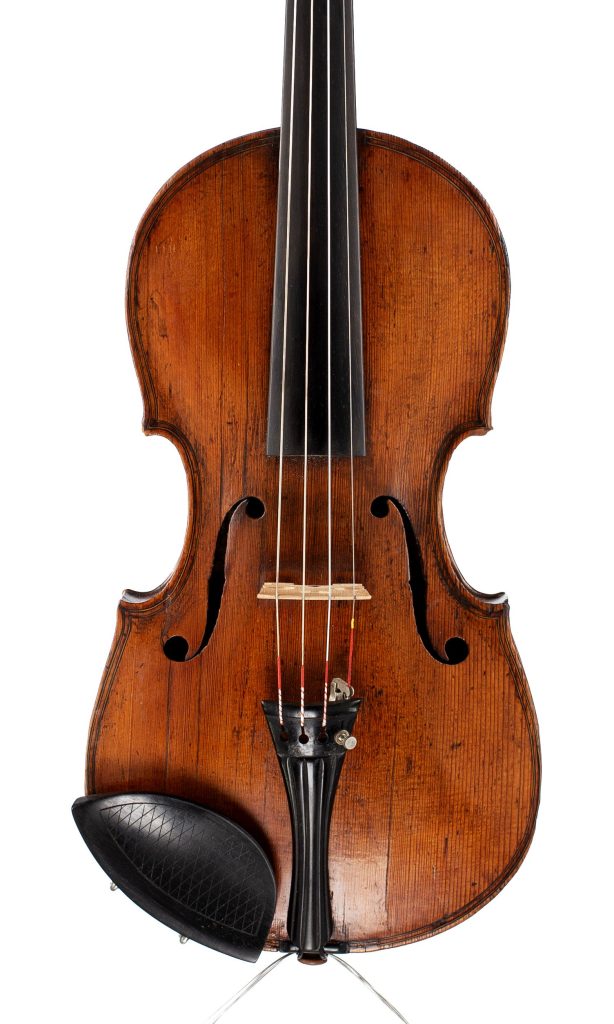
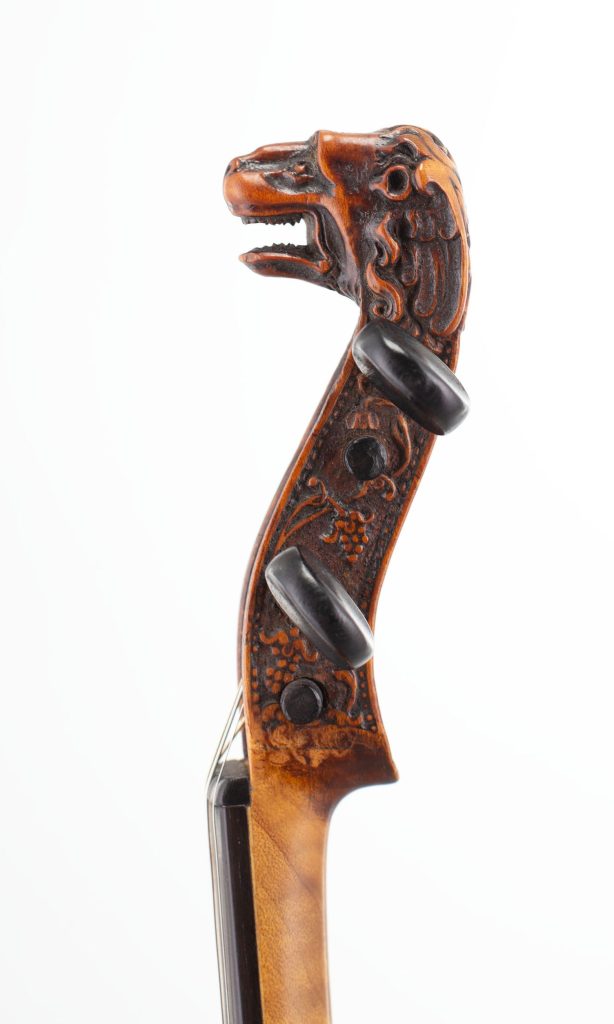
Marcin (I) Groblicz (circa. 1540-after 1609) was a prominent Polish violin maker from Krakow, known for founding a significant dynasty of luthiers. His instruments are recognized for their distinctive features, including long 'c' bouts, high arching, and carved lion or dragon's heads instead of scrolls. He also pioneered a unique 'clamshell' violin design without ribs. His work, though scarce, is represented by museum pieces and was featured in the Vienna Music and Theatre Exhibition.
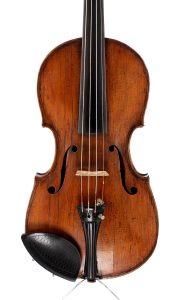
Maker Overview
Life
Marcin (I) Groblicz (circa. 1540-after 1609) was born around 1540 and died after 1609 in Krakow, Poland. He is recognized as the founder of a long and prolific dynasty of Polish violin makers, often referred to as the Krakow school., this school seems to have disseminated pupils throughout the region, although very little of their work has survived. Marcin (I) Groblicz was also the author of a 'clamshell' violin, distinguished by its lack of ribs, where carved plates with indented upper bouts were glued directly together. Evidence of similar instruments is found in Northern European iconography of the 16th and early 17th centuries. The Groblicz example of this 'clamshell' violin was destroyed in the late 19th century, though a modern reproduction is held in the Poznan museum. A viol converted to a cello is also in the same museum. A viol preserved in the Krakow museum bears the label: "Na chwale Boza ukonczyl / Martin Groblicz roku panskiego 1602 (Reverential to God, consummated by Marcin Groblicz in the year of our Lord, 1602)" [Jaskulski].
Characteristics
- Characteristics
- Instruments are characterized by long and open 'c' bouts, short corners, high arch, and long, low-set soundholes with narrow wings.
- Materials
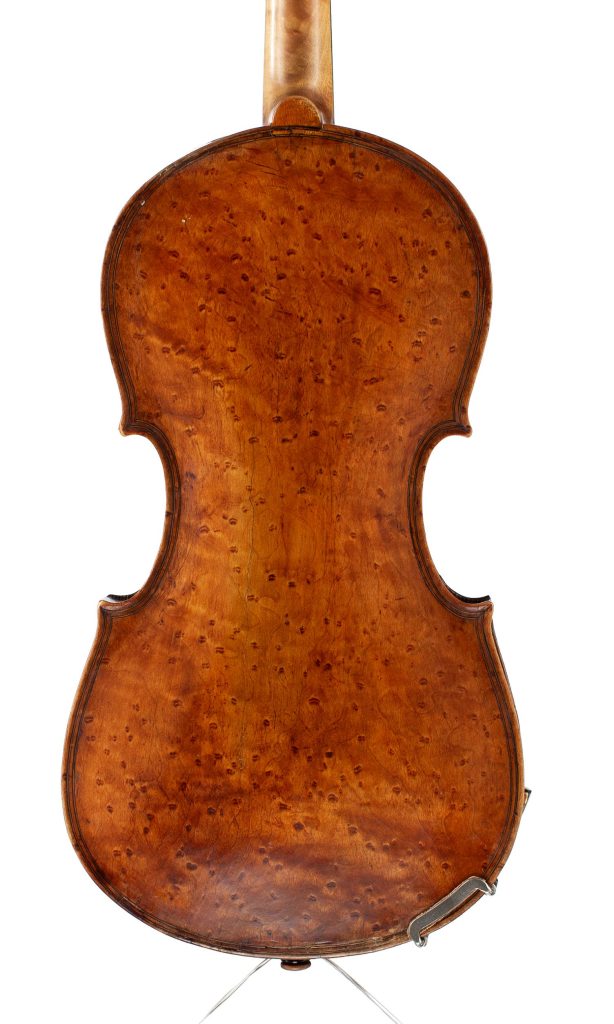
- There was widespread use of bird's-eye figured maple, which was imported through the Baltic ports.
- Varnish
- The varnish is described as very thin and pale.
- Headstock
- Most striking is the carved lion or dragon's head which replaces the scroll; the face is turned upward, and there is virtually no 'throat', in comparison to Tyrolean work in which the lion's face is directed along the fingerboard.
- 'Clamshell' Violin
- This unique instrument lacked ribs, with its carved plates and indented upper bouts glued directly together.
- Notable Instruments
- , his violoncelli are among his best works.
- A viol preserved in the Kracow museum is labelled: Na chwale Boza ukonczyl
Martin Groblicz roku panskiego 1602 (Reverential to God, consummated by Marcin Groblicz in the year of our Lord, 1602)John Dilworth
Influence and legacy
- Krakow School: As the founder of the Krakow school, Marcin (I) Groblicz's dynasty seems to have disseminated pupils throughout the region.
- Museum Holdings: A modern reproduction of his 'clamshell' violin is held in the Poznan museum, where a viol converted to a cello by him is also preserved. A viol by him is preserved in the Krakow museum.
- Exhibitions: Works by Marcin (I) Groblicz were exhibited at the Vienna Music and Theatre Exhibition.
Further Information
- Instrument Label: A viol preserved in the Krakow museum is labelled: "Na chwale Boza ukonczyl / Martin Groblicz roku panskiego 1602 (Reverential to God, consummated by Marcin Groblicz in the year of our Lord, 1602)" [Jaskulski].
Biographies
The overview above is drawn from the following published accounts. Read them in the original:
John Dilworth+
GROBLICZ, Marcin (I) Born circa. 1540, d. after 1609 Krakow Poland. Founder of a long and prolific dynasty of Polish violin makers known as the Krakow school which seems to have disseminated pupils throughout the region, although very little of their work has survived. Characterised as having long and open ‘c’ bouts, short corners, high arch, and long low-set soundholes with narrow wings. Widespread use of bird’s-eye figured maple imported through the Baltic ports. Varnish is very thin and pale. Most striking is the carved lion or dragon’s head which replaces the scroll: face is turned upward, and there is virtually no ‘throat’, in comparison to Tyrolean work in which the lion’s face is directed along the fingerboard. Marcin (I) was also the author of a ‘clamshell’ violin, the distinguishing feature of this being the lack of ribs: the carved plates, with indented upper bouts, are glued directly together. Evidence of other such instruments are found in Northern European iconography of the 16th and early 17th century. Groblicz example was destroyed in the late 19th century, but a modern reproduction is held in the Poznan museum. A viol converted to cello is in the same museum. A viol preserved in the Kracow museum is labelled: Na chwale Boza ukonczyl / Martin Groblicz roku panskiego 1602 (Reverential to God, consummated by Marcin Groblicz in the year of our Lord, 1602) [Jaskulski]
Willibald Leo Lütgendorff+
Einer der namhaftesten polnischen Geigenmacher. Am Besten sind seine Violoncelli. Arbeiten von ihm waren auf der Wiener Musik- und Theater-Ausstellung zu sehen.
Sell your instrument with Amati
Get started by uploading photos of your instrument for our experts to review.
Sell your instrument with Amati
Get started by uploading photos of your instrument for our experts to review.