No Reserve, No Sleep: Inside a 402-Lot Violin Auction
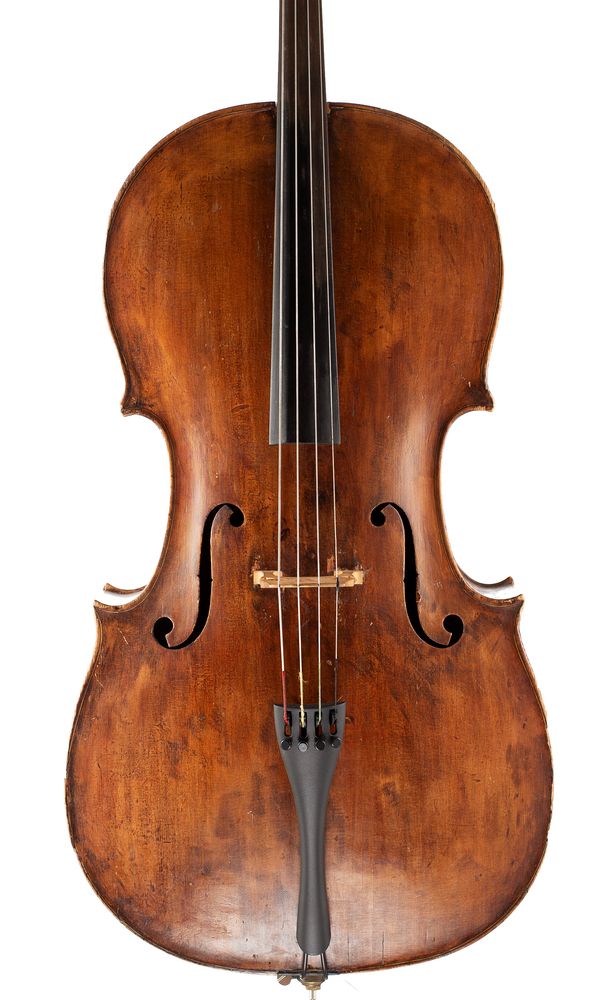

There is a particular kind of madness involved in putting four hundred and two lots into a violin auction with no reserve. Especially in the middle of summer when I would far rather focus on the garden.
Every one of the lots starts at ten pounds. Violins, cellos, bows and a large number of books from a private collection. As with all our Amati Affordable sales everything starts at ten pounds. From a work point of view it is quite restful as we don’t have involved discussions with the vendor about where we might sensibly pitch things. They trust us, and it generally works out quite well.
That being said, I don’t sleep terribly well during a no reserve sale.
The problem is arithmetic. If, one July, nobody at all turns up, the whole collection goes for four thousand and twenty pounds and I have to write some pretty horrible emails to the vendors. That number lives in the back of my head for the entire twelve days.
And to make it worse, for the first few days, not much happens. This is normal. I have known it is normal for 14 years, and I still spend those days wandering round the office picking things up and putting them down again in slightly different places.
Then the last day comes and the internet entirely loses its head.
Getting on for eight thousand bids went through this sale. Two hundred and eighty-one people registered; a hundred and thirty-two of them went home with something. Of four hundred and two lots, six didn’t sell.
Six.
Every single bow found a buyer – and there were more than a hundred of them. The books very nearly all went too, which cheers me up more than it probably ought to. People still buy books. Lots.
I’m not going to give you chapter and verse on the prices. Our buyers rather like their privacy, and it doesn’t feel comfortable publishing anybody’s shopping list. What I will say is that the top lot finished somewhere that looked frankly absurd sitting next to a ten pound start, and that a respectable handful of others weren’t far behind it.
What “no reserve” actually means at auction
A reserve is a floor. It’s the figure below which an instrument doesn’t sell, agreed privately between the auctioneer and the vendor, and never published. Bid under it and the lot goes home again.
At a no reserve auction there is no floor at all. Every lot opens at ten pounds and finishes wherever the bidding decides to stop. Nobody is protecting the price. Nobody is protecting me either, which is the part I take personally.
Does a no reserve violin auction get you a worse price?
People bid when they believe they can actually win. Put a reserve on a modest violin and the message a bidder receives – fairly or not – is that somebody else has already decided what the thing is worth and their job is merely to agree with them. Take the reserve away and the whole room leans in.
You get more bidders. More bidders means more bids, and more bids very often means a better price than the reserve would ever have protected. Four hundred and two lots, six unsold, and a great many of them finishing well north of where a cautious reserve would have sat.
It doesn’t suit everything. A serious instrument deserves a serious reserve and I would say so to anyone who asked me. But for a large, varied, honestly catalogued collection where the whole point is to find every last thing a new home, no reserve works – and it works rather better than caution does.
So what is a violin actually worth?
Whatever two determined people will pay for it on a Thursday evening in July.
That is the uncomfortable answer and also the liberating one. A violin has no sticker price. It has a market, and the market turns up in a twelve day window and tells you exactly what it thinks, which is more honest than any certificate.
Which is why we don’t charge for looking. If you have an instrument in a cupboard and no idea whether it’s a treasure or a doorstop, a free violin valuation will tell you – and we will tell you honestly if the answer is doorstop.
Questions we get asked
What does “no reserve” mean?
That there is no minimum price. Every lot starts at ten pounds and sells to the highest bidder, whatever that turns out to be.
How do I find out what my violin is worth?
Send us some photographs, or bring it to a valuation day. It’s free, it takes a few minutes, and there’s no obligation to sell: https://amati.com/valuations/
Do I need a whole collection to sell at auction?
No. One violin, one bow, one box of odds and ends from an attic – all perfectly welcome.
When is the next sale?
There’s nearly always one running. You can see what’s coming up here: violin auctions at Amati
Our next auction is always coming up, and our valuations are free and remarkably unfrightening.
Share this: