George Craske
B. St. Edmunds, Birmingham, Bury, Bury St. Edmunds, London, Manchester, Stockport, 1795–1888
George Craske (1795-1888) was a prolific English violin maker, born in Bury St. Edmonds and trained by William Forster jr. He worked for notable figures like Thomas Dodd and Muzio Clementi, and famously repaired Paganini's violin. Craske's career saw him move through various English cities, including London, Bath, Birmingham, Manchester, and Stockport, where he lived a reclusive life. He was known for copying Italian masters like Stradivari and Amati, producing a vast number of instruments, though estimates of his total output vary significantly between sources. While his craftsmanship was clean and he used good materials, his instruments often featured a dull red varnish and sometimes low archings. Posthumously, hundreds of his unfinished instruments were acquired, completed, and sold by W. E. Hill & Sons, who also published a monograph about him. Despite his prolific output and the improving tone of his instruments over time, critics like William Meredith Morris described their tone as hard and metallic, better suited for orchestral use than solo performance.
Request an expert valuation or learn how our global auctions achieve the highest prices for your instruments.
Instruments
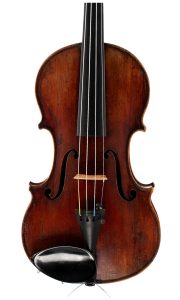
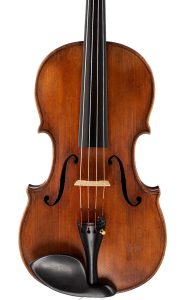
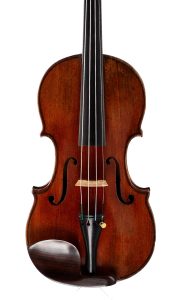

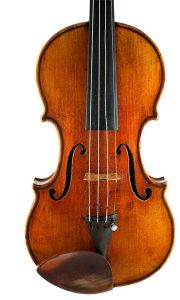
Auction Price History
Highest auction price
186 results
| Type | Details | Auction house | Sold | Price |
|---|---|---|---|---|
| Viola | A viola by George Craske, England, circa 1850 Lot 220 | Amati | June 2026 | £5,688est. £ 5,000-8,000 |
| Violin | Labelled Made by George Craske (born 1797, died 1888), and sold by William E. Hill & Sons, London Lot 107 | Tarisio | March 2026 | £7,638est. Estimate $ 8,000-12,000 |
| Violin | Labelled Made by George Craske (born 1795, died 1888), sold by William E. Hill & Sons, London Lot 106 | Tarisio | March 2026 | £4,417est. Estimate $ 8,000-12,000 |
| Cello | Labelled Made by George Craske (born 1795, died 1888), and sold ..., ribs by the W. E. Hill & Sons firm Lot 10 | Tarisio | March 2026 | £24,298est. Estimate $ 20,000-30,000 |
| Violin | Labelled Made by George Craske (born 1797, died 1888), and sold by William E. Hill & Sons, London Lot 157 | Tarisio | November 2025 | £6,521est. $ 8,000-12,000 |
| Violin | A violin by George Craske, Stockport, circa 1880 Lot 367 | Amati | January 2025 | £5,372 |
| Viola | A viola by George Craske, England, circa 1860 Lot 9 | Amati | January 2025 | £12,008 |
| Violin | A violin by George Craske, London, circa 1870 Lot 135 | Amati | October 2024 | £5,688est. £ 5,000-7,000 |
| Violin | A violin by George Craske, London, circa 1870 Lot 200 | Amati | October 2024 | £7,584est. £ 3,000-5,000 |
| Viola | Unlabelled Lot 126 | Ingles & H. | October 2024 | £8,400est. £ 5,000-8,000 |
| Violin | Labelled Made by George Craske, Manchester 1860, Ref 25/95, J... de Geest Lot 91 | Tarisio | February 2024 | £7,556est. € 5.000-8.000 |
| Viola | Unlabelled Lot 55 | Tarisio | November 2023 | £13,552est. $ 10,000-15,000 |
| Cello | A cello by George Craske, England, circa 1850 Lot 2 | Amati | November 2022 | £26,544est. £ 10,000-15,000 |
| Viola | A viola by George Craske, London, circa 1860 Lot 107 | Amati | November 2022 | £6,004est. £ 3,000-5,000 |
| Violin | Labelled Made by George Craske (born 1797, died 1888) and sold by William E. Hill & Sons, London Lot 46 | Ingles & Hayday | November 2022 | £4,800est. £ 4,000-6,000 |
| Viola | Two-piece back of very faint medium curl, varnish of a reddish brown colour on a golden ground Lot 2401 | Gardiner Houlgate | March 2022 | £9,360est. £ 4,000-6,000 |
| Violin | Violin, 1836 Lot 2452 | Gardiner Houlgate | March 2022 | £4,800est. £ 1,500-2,500 |
| Violin | Finished and sold by W.E. Hill & son, labelled Made by Gorge Craske (born 1795, died 1888), and ... Lot 90 | Tarisio | October 2021 | £7,104est. € 3.000-5.000 |
| Violin | Labelled Made by George Craske (born 1797, died 1888) and sold by William E. Hill & ... Lot 70 | Brompton’s | June 2021 | £7,980est. £ 6,000-10,000 |
| Violin | Labelled Made by George Craske ... and sold by William E. Hill & Sons, London Lot 10 | Ingles & Hayday | June 2021 | £6,000est. £ 3,000-5,000 |
| Violin | Labelled Made by George Craske, born 1795 died 1888, and sold by, William E. Hill & Sons London ... Lot 111 | Tarisio | October 2020 | £4,200est. £ 3,000-5,000 |
| Violin | One-piece back, varnish of a light plum red colour on a golden ground Lot 2458 | Gardiner Houlgate | March 2020 | £3,240est. £ 600-800 |
| Viola | Bearing the maker's manuscript label, button graft, ribs raised Lot 58 | Skinners | June 2019 | £17,514est. $ 5,000-8,000 |
| Violin | Labelled Georges Craske, sold by Hill Lot 12 | Vichy | June 2019 | £5,527est. € 2.000-3.000 |
| Violin | Two-piece back of plainish wood, table of medium grain, varnish of a plum red colour on a golden ground Lot 2458 | Gardiner Houlgate | June 2019 | £936est. £ 800-1,200 |
| Violin | Labelled Made by George Craske (born ..., in a fine state of preservation Lot 301 | Brompton’s | May 2019 | £5,640est. £ 5,000-7,000 |
| Violin | A violin by George Craske, England, circa 1870 Lot 125 | Amati | March 2019 | £8,216est. £ 3,000-5,000 |
| Violin | Labelled Made by George Craske (born 1797, died 1888), and sold by William E. Hill & Sons, London Lot 18 | Ingles & Hayday | March 2019 | £3,600est. £ 3,000-5,000 |
| Violin | Labelled Made by George Craske, (born 1797, died 1888), and sold by ... Lot 245 | Brompton’s | March 2019 | £3,360est. £ 1,000-1,500 |
| Violin | Labelled Made by George Craske (born 1797, died 1888), and sold by William E. Hill & Sons, London Lot 16 | Ingles & Hayday | October 2018 | £3,000est. £ 3,000-5,000 |
| Violin | Labelled Made by George Craske (born 1797, died 1888), and sold by William E. Hill & Sons, London Lot 137 | Ingles & Hayday | October 2018 | £4,200est. £ 2,500-4,000 |
| Violin | Labelled Made by George Craske, born 1797 died 1888, and sold by, William E. Hill & Sons London Lot 114 | Tarisio | June 2018 | £3,000est. £ 2,500-4,000 |
| Violin | Labelled Made by George Craske (born 1797, died 1888), and sold by William E. Hill & Sons, London Lot 15 | Ingles & Hayday | March 2018 | £4,200est. £ 3,500-5,000 |
| Violin | Labelled Made by George Craske, (born 1797, died 1888), And sold by J. Williams, Birmingham Lot 127 | Tarisio | February 2018 | £4,221est. $ 5,000-8,000 |
| Violin | Labelled Made by George ... Lot 117 | Brompton’s | December 2017 | £2,160est. £ 2,000-3,000 |
| Violin | One-piece back of faint broad curl, varnish of a dark reddish brown colour on a golden ground Lot 16 | Gardiner Houlgate | October 2017 | £1,104est. £ 800-1,200 |
| Violin | Labelled Made by George Craske, (born 1705, died 1888), and sold by William E. ... Lot 206 | Brompton’s | March 2017 | £4,800est. £ 4,000-6,000 |
| Violin | Labelled Made by George Craske and sold by W E Hill & Sons Lot 102 | Gardiner Houlgate | October 2016 | £4,560est. £ 3,000-5,000 |
| Violin | Labelled Made by George Craske ... Lot 96 | Brompton’s | October 2016 | £4,800est. £ 4,000-6,000 |
| Small Cello | Labelled Made by George Craske (born 1797, died 1888) and sold by William E. Hill & Sons, London Lot 1537 | Gardiner Houlgate | June 2016 | £4,560est. £ 600-1,000 |
| Violin | One-piece back of faint medium curl, varnish of a reddish brown colour on a golden ground Lot 1478 | Gardiner Houlgate | March 2016 | £2,880est. £ 2,000-3,000 |
| Violin | Later finished and sold by W.E. Hill & Sons, labelled Made by George Craske, (born 1797, died 1888) ... Lot 173 | Tarisio | December 2015 | £3,957est. $ 5,000-8,000 |
| Viola | Labelled Made by George Craske (born 1797, died 1888), and sold by William E. Hill & Sons, London Lot 144 | Brompton’s | March 2015 | £4,920est. £ 4,000-6,000 |
| Violin | Labelled Made by George Craske (born 1797, died 1888), and sold by William E. Hill & Sons, London Lot 1 | Ingles & Hayday | October 2014 | £4,200est. £ 3,500-5,000 |
| Viola | Labelled Made by George Craske (born 1797, died 1888) Lot 134 | Brompton’s | October 2014 | £4,200est. £ 4,000-6,000 |
| Violin | Finished and sold by W. E. Hill & Sons, labelled Made by George Craske, (born 1795, died 1888) ... Lot 284 | Tarisio | August 2014 | £6,052est. $ 5,000-8,000 |
| Violin | Labelled Made by George Craske (born 1797, died 1888), and sold by William E. Hill & Sons, London Lot 124 | Tarisio | June 2014 | £2,950est. £ 3,000-5,000 |
| Viola | Lot 95 | Bonhams | May 2014 | £4,500 |
| Violin | Later finished and sold by W.E. Hill & Sons, labelled Made by George Craske, (Born 1795, died 1888) ... Lot 195 | Tarisio | May 2014 | £4,246est. $ 6,000-9,000 |
| Viola | Labelled Made by George Craske (1797-1888) and sold by ..., of an aged red brown colour Lot 95 | Bonhams | May 2014 | £4,500est. £ 3,000-4,000 |
| Violin | Labelled Made by George Craske (born 1797, died 1888), and sold by William E. Hill & Sons, London Lot 121 | Tarisio | March 2014 | £3,600est. £ 3,000-5,000 |
| Violin | Labelled Made by George Craske (born 1795 died 1888) sold by W Hill and Sons, London Lot 93 | Brompton’s | March 2014 | £4,800est. £ 2,000-4,000 |
| Violin | Labelled Made by George Craske (born 1797, died ..., original head from the workshop of W. E. Hill Lot 244 | Tarisio | October 2013 | £6,397est. $ 6,000-9,000 |
| Violin | Labelled Made by George Craske, born 1797 died 1888 and sold by Wlliam E. Hill & Sons London Lot 220 | Brompton’s | June 2013 | £3,000est. £ 2,000-4,000 |
| Violin | Labelled Made by George Craske, Born 1797 died 1888 and revised by A. L. Scholes, Rushton Lot 371 | Brompton’s | June 2013 | £780est. £ 800-1,200 |
| Violin | Lot 21 | Bonhams | May 2013 | £5,312 |
| Violin | Labelled Made by George Craske ... and sold by William E. Hill & Sons, London Lot 2 | Ingles & Hayday | May 2013 | £3,600est. £ 3,000-5,000 |
| Violin | Violin, 1880 c. Lot 21 | Bonhams | May 2013 | £5,313est. £ 3,000-4,000 |
| Violin | Labelled Made by George Craske (Born 1797 Died 1880) and Sold by William E. Hill & Sons Lot 89 | Brompton’s | March 2013 | £2,214est. £ 1,500-1,800 |
| Violin | Lot 326 | Bonhams | October 2012 | £3,500 |
| Violin | Labelled Made by George Craske (born 1797, died 1888 ..., of an aged amber brown colour Lot 326 | Bonhams | October 2012 | £3,500 |
| Violin | Labelled Vincenzo Panormo fecit Londres 1783, inscribed Fecit George Craske 1847 Lot 386 | Tarisio | July 2012 | £6,121est. $ 5,000-8,000 |
| Violin | Labelled Made by George Craske, sold by William E. Hill & Sons Lot 269 | Tarisio | April 2012 | £4,820est. $ 6,000-9,000 |
| Viola | Lot 88 | Bonhams | March 2012 | £4,000 |
| Violin | Lot 185 | Bonhams | March 2012 | £4,000 |
| Viola | Labelled Made by George Craske ... and sold by W.E. ..., of an orange golden brown colour Lot 88 | Bonhams | March 2012 | £4,000est. £ 3,000-4,000 |
| Violin | After del Gesù, labelled Made by George Craske (1797-1888), of an aged red brown colour Lot 185 | Bonhams | March 2012 | £4,000est. £ 2,500-3,500 |
| Violin | 36.1 cm London, 1888 c. | — | November 2011 | £2,819 |
| Viola | 39.4 cm | — | October 2011 | £5,980 |
| Violin | 35.9 cm London, 1850 c. | — | June 2011 | £4,200 |
| Violin | 35.6 cm | — | June 2011 | £2,160 |
| Violin | 35.7 cm 1874 | — | March 2011 | £5,280 |
| Cello | 73.5 cm | — | March 2011 | £19,200 |
| Violin | 35.7 cm Manchester, 1820 | — | October 2010 | £3,755 |
| Violin | 35.5 cm 1880 c. | — | October 2010 | £2,400 |
| Violin | 35.5 cm Manchester, 1820 | — | June 2010 | £2,160 |
| Viola | 40.3 cm London, 1870 Probably by | — | December 2009 | £4,560 |
| Violin | 36.1 cm London, Mid 19th C. | — | October 2009 | £3,600 |
| Violin | 35.8 cm 1870 c. | — | October 2009 | £5,280 |
| Viola | 38.8 cm London, 1860 c. | — | October 2009 | £6,600 |
| Violin | 36.2 cm 1850 c. | — | October 2009 | £2,400 |
| Violin | 36.0 cm London | — | October 2009 | £3,120 |
| Violin | 36.4 cm Manchester, 1845 | — | May 2009 | £2,329 |
| Violin | 36.3 cm London, 1880 c. | — | March 2009 | £3,510 |
| Violin | 36.5 cm 1829 sold with oak "Hill' case | — | March 2009 | £4,320 |
| Violin | 35.9 cm London, 1867 | — | December 2008 | £1,892 |
| Viola | 39.2 cm London, 1880 c. | — | October 2008 | £6,508 |
| Viola | 40.3 cm Bury St. Edmunds, 1860 c. | — | October 2008 | £5,000 |
| Viola | 39.8 cm London, 1888 c. | — | May 2008 | £5,694 |
| Violin | 35.7 cm Hill #B756 | — | March 2008 | £3,764 |
| Cello | 73.8 cm 1849 | — | November 2007 | £13,200 |
| Violin | 35.9 cm London, 1867 | — | October 2007 | £1,428 |
| Violin | 35.2 cm Probably Stockport, 1870 c. | — | October 2007 | £4,028 |
| Violin | 35.8 cm 1880 c. | — | May 2007 | £4,124 |
| Violin | 35.8 cm 1850 c. | — | February 2007 | £3,360 |
| Violin | 36.1 cm England, 1850 c. | — | February 2007 | £3,600 |
| Viola | 39.8 cm | — | February 2007 | £3,058 |
| Violin | 35.3 cm 1860 c. | — | February 2007 | £1,740 |
| Violin | 35.5 cm Bury St. Edmunds, mid 19th C. | — | November 2006 | £4,200 |
| Cello | 73.8 cm 1860 c. | — | October 2006 | £8,005 |
| Violin | 35.7 cm 1835 Sold with "W.E.Hill & Sons" walnut & mahogny case. | — | September 2006 | £2,823 |
| Violin | 36.0 cm Manchester, 1835 c. | — | July 2006 | £3,000 |
| Violin | 36.0 cm 1830 | — | June 2006 | £3,764 |
| Violin | 35.7 cm 1860 c. | — | May 2006 | £2,687 |
| Violin | 36.3 cm Manchester, 1883 c. | — | February 2006 | £3,480 |
| Violin | England, 1870 c. | — | November 2005 | £5,760 |
| Violin | England, mid-19th C. | — | November 2005 | £4,560 |
| Violin | England, mid-19th C. | — | November 2005 | £3,360 |
| Violin | England, mid-19th C. | — | November 2005 | £2,400 |
| Violin | England, mid-19th C. | — | November 2005 | £2,400 |
| Cello | English, 1870 c. 1/2 Size | — | June 2005 | £2,053 |
| Violin | Birmingham, 1830 c. | — | May 2005 | £3,119 |
| Violin | Bury, 1880 c. | — | May 2005 | £5,040 |
| Violin | Manchester, 1850 c. | — | November 2004 | £1,793 |
| Violin | 1870 c. | — | November 2004 | £2,390 |
| Violin | 1870 c. | — | March 2004 | £2,509 |
| Cello | 1850 c. | — | March 2004 | £7,768 |
| Viola | 40.8 cm 1870 c. | — | November 2003 | £5,400 |
| Violin | 1880 c. | — | November 2003 | £4,200 |
| Violin | 1860 c. | — | October 2003 | £5,428 |
| Violin | 1880 c. | — | May 2003 | £2,760 |
| Violin | 1880 | — | May 2003 | £2,277 |
| Violin | 1850 c. | — | November 2002 | £2,600 |
| Violin | 1860 | — | October 2002 | £2,177 |
| Violin | 1880 c. | — | June 2002 | £1,725 |
| Cello | 1880 | — | June 2002 | £13,588 |
| Violin | 1859 | — | September 2001 | £3,680 |
| Violin | 1850 c. | — | July 2001 | £1,200 |
| Viola | 39.6 cm 1870 | — | June 2001 | £2,300 |
| Violin | 1860 c. | — | November 2000 | £4,560 |
| Cello | 1860 c. | — | June 2000 | £13,800 |
| Violin | 1875 c. | — | June 2000 | £4,600 |
| Violin | 1850 | — | November 1999 | £3,500 |
| Violin | 1840 | — | September 1999 | £3,335 |
| Violin | 1840 | — | June 1999 | £2,415 |
| Violin | 1852 | — | March 1999 | £4,600 |
| Violin | 1850 | — | March 1999 | £4,025 |
| Violin | 1860 | — | November 1998 | £2,980 |
| Violin | 18-- | — | November 1998 | £3,291 |
| Violin | 18-- | — | June 1998 | £3,450 |
| Violin | 1860 c. | — | June 1998 | £2,070 |
| Viola | 39.4 cm 1860 c. | — | May 1998 | £2,702 |
| Violin | 1860 c. | — | March 1998 | £3,680 |
| Violin | 18-- | — | March 1998 | £3,438 |
| Violin | 1830 | — | March 1998 | £3,220 |
| Violin | 18-- | — | March 1998 | £2,300 |
| Violin | 1850 c. | — | October 1997 | £3,450 |
| Cello | 1845 | — | July 1997 | £7,500 |
| Viola | 41.6 cm 1888 | — | May 1997 | £5,000 |
| Violin | 1870 c. | — | March 1997 | £2,645 |
| Violin | 1845 | — | November 1996 | £2,185 |
| Violin | 18-- | — | June 1996 | £4,025 |
| Violin | 1870 c. | — | May 1996 | £1,840 |
| Violin | 1870 c. | — | March 1996 | £2,530 |
| Cello | 1850 c. | — | March 1996 | £5,520 |
| Viola | 40.5 cm 1840 c. | — | March 1996 | £3,450 |
| Cello | 1846 | — | November 1995 | £10,925 |
| Viola | 39.5 cm 18-- | — | November 1995 | £3,220 |
| Cello | 1850 | — | October 1995 | £4,370 |
| Viola | 40.3 cm 18-- | — | May 1995 | £3,105 |
| Viola | 39.7 cm 18-- | — | March 1995 | £2,990 |
| Viola | 39.8 cm 18-- | — | March 1995 | £6,670 |
| Cello | 18-- | — | March 1995 | £8,625 |
| Viola | 40.3 cm 18-- | — | March 1993 | £4,370 |
| Viola | 40.0 cm 18-- | — | March 1992 | £3,300 |
| Viola | 39.5 cm 1860 c. | — | November 1991 | £1,980 |
| Viola | 38.6 cm 1830 c. | — | November 1991 | £825 |
| Viola | 40.0 cm 18-- | — | June 1991 | £3,520 |
| Viola | 38.9 cm 18-- | — | November 1990 | £2,750 |
| Viola | 39.8 cm 1860 c. | — | November 1989 | £3,520 |
| Viola | 40.0 cm 18-- | — | March 1989 | £5,808 |
| Viola | 39.1 cm 18-- | — | November 1988 | £2,420 |
| Viola | 40.5 cm 18-- | — | November 1988 | £3,850 |
| Viola | 39.1 cm 1860 c. | — | July 1988 | £2,200 |
| Viola | 40.6 cm 1850 c. | — | March 1988 | £4,180 |
| Viola | 39.1 cm 1840 c. | — | March 1988 | £1,000 |
| Viola | 40.6 cm 18-- | — | June 1987 | £3,300 |
| Viola | 39.4 cm 18-- | — | September 1986 | £3,080 |
| Viola | 40.6 cm 1860 c. | — | February 1986 | £4,620 |
| Viola | 41.4 cm 18-- | — | November 1984 | £2,860 |
| Viola | 40.0 cm 18-- | — | November 1983 | £2,090 |
| Viola | 39.7 cm 18-- | — | November 1982 | £725 |
| Viola | 40.0 cm 18-- | — | June 1982 | £972 |
| Viola | 40.8 cm 18-- | — | July 1981 | £1,540 |
| Viola | 39.5 cm 18-- | — | May 1981 | £1,430 |
| Viola | 40.0 cm 1860 c. | — | May 1980 | £1,540 |
No results match those filters.
Maker Overview
Life
George Craske (1795-1888) was born in Bury St. Edmonds, UK, and initially trained with William Forster jr., also known as 'Young' Forster. He made instruments for Thomas Dodd and for the firm of Muzio Clementi. Craske left London and settled in Bath, where he became acquainted with Sir Patrick Blake, an amateur player and collector who owned a Stradivari violin and an Amati violin, which Craske subsequently copied. He lived briefly in Leeds and Sheffield before moving to Birmingham, where he opened a shop on Snow Hill and remained for approximately 20 years. During his time in Birmingham, he famously repaired Niccolò Paganini's Guarneri del Gesù 'Canone' violin during the virtuoso's English tour. Subsequently, Craske moved to Manchester, then Salford, and finally to Stockport, where he retired to his workshop, allowing no visitors other than his close friend George Crompton. He later returned to Bath and lived on the income from investments. Sources contain conflicting information about his death date; John Dilworth states he died in 1888, while William Meredith Morris reports his death in November 1889 at the advanced age of ninety-eight. Upon his death, hundreds of unsold and partly finished instruments had accumulated on his premises., 'No man, unassisted, ever made as many instruments as Craske'. John Dilworth calculates his output to have amounted to 2,050 violins, 300 violas, 250 cellos, and 20 double-basses, while Willibald Leo Lütgendorff states he built over 3,000 violins, violas, and cellos, and about 20 double-basses. All the unsold instruments passed to George Crompton, who then disposed of them to W. E. Hill & Sons. Hill & Sons finished and refitted these instruments, selling them with a special Hill label crediting Craske, and also published a short monograph on the maker to accompany the sales. William Meredith Morris notes that Craske's father was a foreigner, but Craske considered himself of English extraction, with an ancestor named Cross having settled in Russia and Germany. Lütgendorff mentions that Arthur Broadley published a biography titled "An english Stradivarius" in Musical News in 1901, No. 553.
Characteristics
- Workmanship
- George Craske's works are described by Willibald Leo Lütgendorff as very cleanly executed after the best Italian models, with their tone improving year by year.
- Materials
- He used good materials, though John Dilworth notes that sometimes the arching is excessively low, possibly due to trying to make too many instruments from one log.
- Varnish
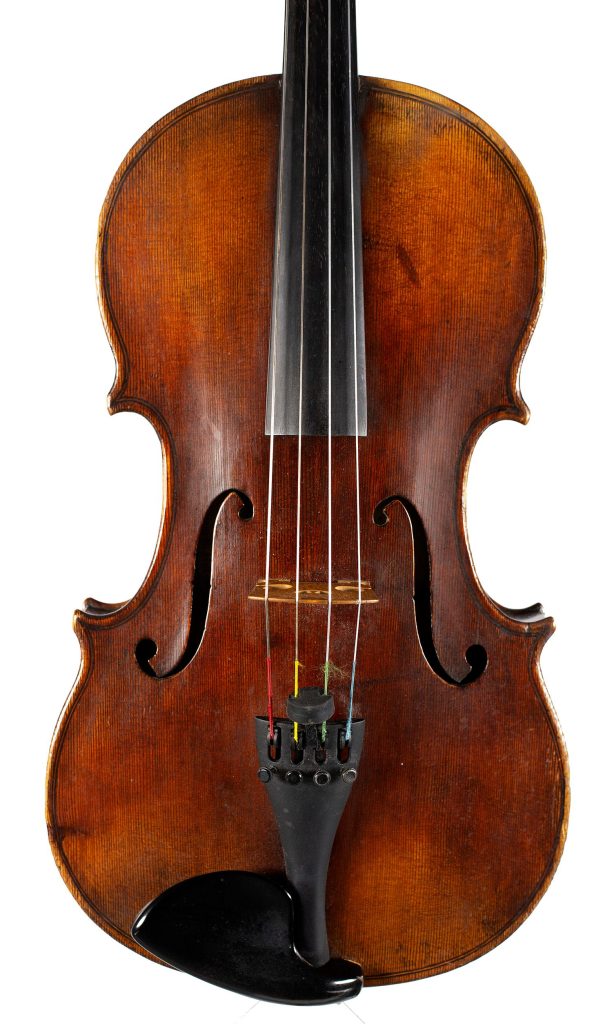
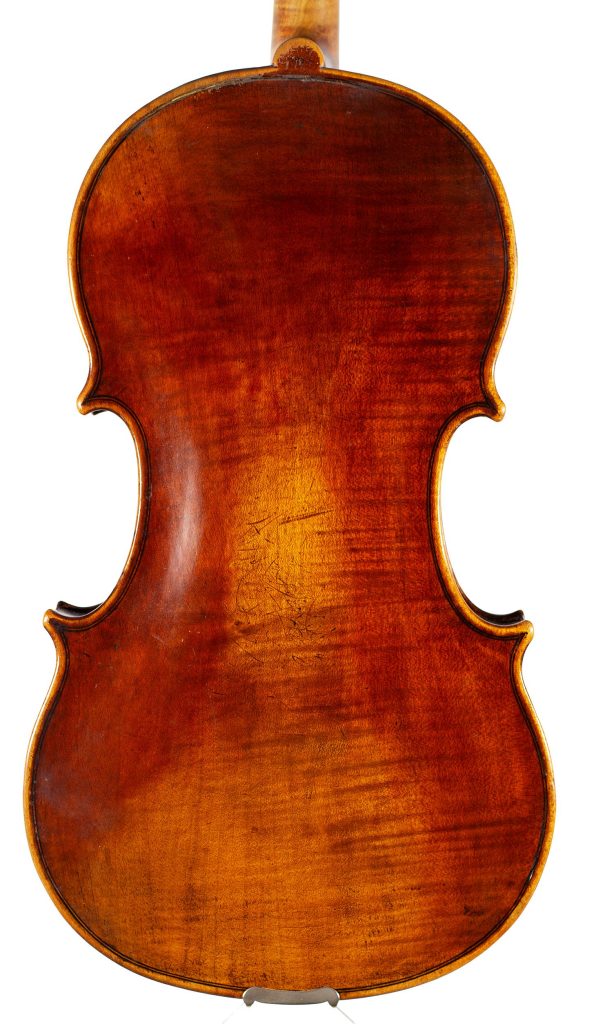
- His early work features a good clear varnish, but the majority of his instruments have a rather dull red coating.
- Copies
- Craske made fair imitations of Joseph Guarnerius and other Italian makers, and specifically copied Stradivari and Amati instruments from templets and measurements taken from those owned by Sir Patrick Blake.
- Heads/Scrolls
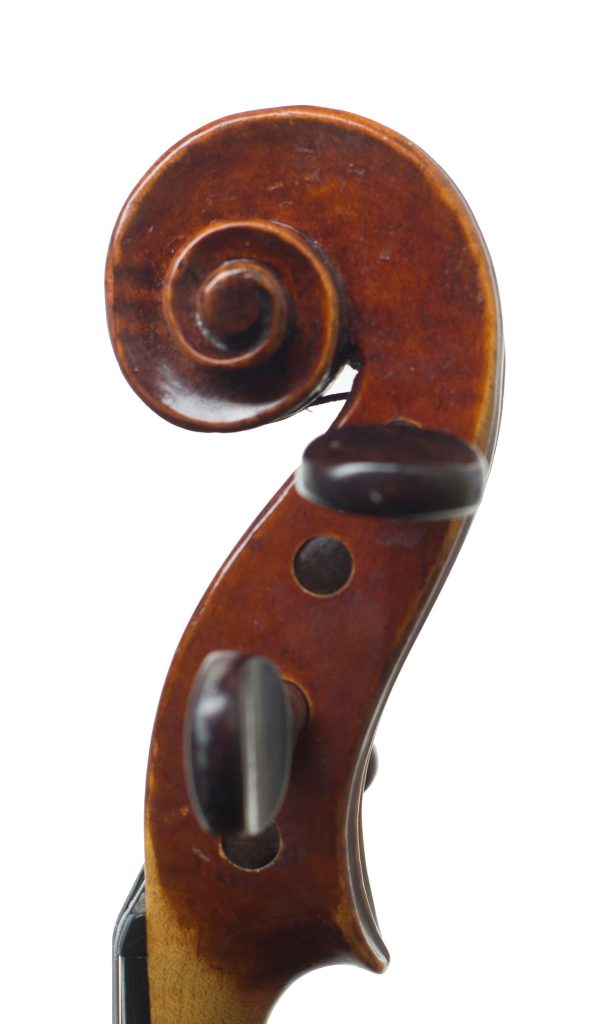
- Many of Craske's instruments were left without heads, a part of the work he reportedly did not enjoy; in these cases, missing scrolls were manufactured by W. E. Hill & Sons.
- Tone
- William Meredith Morris describes the tone of Craske's instruments as hard and metallic, large, round, and piercing, but lacking unction. While stronger than that of classical makers, it does not compare in mellowness and sweetness, making them splendidly adapted for orchestral purposes but less so for solo performance.
- Labels
- Many of his instruments have a forged label in them. Instruments sold by W. E. Hill & Sons featured a special Hill label stating: "Made by George Craske / born 1795 died 1888 / and sold by / William E. Hill & Sons, London".
- Made by George Craske
born 1795 died 1888
and sold by
William E. Hill & Sons, LondonJohn Dilworth
Influence and legacy
- Training: George Craske received his initial training from William Forster jr., known as 'Young' Forster.
- Associations: He made instruments for Thomas Dodd and for the firm of Muzio Clementi.
- Models: Craske copied instruments by Stradivari and Amati, taking templets and measurements from those owned by Sir Patrick Blake. His works are generally Italian in character and executed after the best Italian models.
- Posthumous Sales: After his death, hundreds of George Craske's unsold and partly finished instruments were acquired by his close friend and successor in business, George Crompton, who then sold them to W. E. Hill & Sons.
- W. E. Hill & Sons: Hill & Sons finished and refitted these instruments, selling them with a special label crediting Craske. They also published a short monograph about the maker to accompany the sales.
- Biographical Works: George Crompton wrote a biographical sketch of Craske published in The Strad in June 1893. Arthur Broadley also published a biography titled "An english Stradivarius" in Musical News in 1901, No. 553.
- Personality: William Meredith Morris quotes George Crompton's description of Craske's striking appearance and personality, noting that "His head was exactly the same shape and measure as Shakespeare's, and his memory one of the most remarkable that ever was known".
Further Information
- Locations: George Craske worked in various locations throughout his career, including Bury St. Edmonds, London, Bath, Leeds, Sheffield, Birmingham (where he had a shop on Snow Hill), Manchester, Salford, and Stockport.
- Notable Repairs: While in Birmingham, he repaired Niccolò Paganini's Guarneri del Gesù 'Canone' violin during the virtuoso's English tour.
- Output Estimates: John Dilworth, citing Henley, calculates Craske's output to be 2,050 violins, 300 violas, 250 cellos, and 20 double-basses. Willibald Leo Lütgendorff, however, states he built over 3,000 violins, violas, and cellos, and about 20 double-basses.
- Exhibitions: Three of his violins, dating from 1820 to 1836, were exhibited in Edinburgh in 1880.
- Market Value: William Meredith Morris noted that in some catalogues, Craske's instruments were offered at £30, a sum he considered more than double their intrinsic value at the time.
Biographies
The overview above is drawn from the following published accounts. Read them in the original:
John Dilworth+
CRASKE, George Born 1795 Bury St Edmonds, died 1888 Bath UK. Born in Bury St. Edmonds and trained initially with William Forster jr. (‘Young’ Forster). Made instruments for Thomas Dodd and for the firm of Muzio Clementi. Left London and went to Bath, where he made the acquaintance of Sir Patrick Blake, an amateur player and collector who owned a Stradivari violin and an Amati violin. These were copied by Craske. Lived briefly in Leeds and Sheffield. Moved to Birmingham where he opened a shop on Snow Hill, remaining there about 20 years during which he repaired Paganini’s Guarneri del Gesù ‘Canone’ violin during the virtuoso’s English tour. Subsequently moved to Manchester, then Salford, and finally to Stockport where he retired to his workshop, allowing no visitors other than a close friend George Crompton. Returned to Bath and lived on the income from investments. On his death in 1888 hundreds of unsold and partly finished instruments had accumulated on the premises. According to Henley, ‘No man, unassisted, ever made as many instruments as Craske’. His output is calculated by him to have amounted to 2,050 violins, 300 violas, 250 cellos, and 20 double-basses. All the unsold instruments passed to Crompton, who then disposed of them to W. E. Hill & Sons, who finished and refitted them. These were sold with a special Hill label crediting Craske. Hills also published a short monograph on the maker to accompany the sales. Many of Craske’s instruments were left without heads, a part of the work he did not enjoy, apparently, and missing scrolls were manufactured by the Hills in these cases. Early work has a good clear varnish, but majority have a rather dull red coating. He used good materials, but sometimes the arching is excessively low, perhaps as a result of trying to make too many instruments from one log. Hill label: Made by George Craske / born 1795 died 1888 / and sold by / William E. Hill & Sons, London
William Meredith Morris+
Craske, although his father was a foreigner, was of English extraction, so he once told my grandfather, who was a fiddle enthusiast. He said that an ancestor of his named Cross had settled in Russia, and afterwards in Germany, and the present form of the name was due to these migrations. Mr. George Crompton, who was intimately acquainted with this wonderful man, does not say anything about the matter in his sketch of him in the June number of The Strad, 1893. However, on the strength of this statement, I venture to include him here as a British maker of British blood. He was not an Anglo-German or French, but a thorough Britisher in character and sentiment. And so is his work. Out of the three thousand odd instruments that he is said to have made, I have seen only about a dozen — that is to say, only about a dozen that I knew to be his work. But very many of his instruments have a forged label in them, and as he made very fair imitations of Joseph Guarnerius and other Italians, his work is not always recognised. I cannot say that there is anything about Craske’s work to excite ecstatic utterance. However clever the workmanship may be — and in much of his work we may concede that it is clever — the tone will never give him a seat amongst the mighty : it is too hard and metallic. I have carefully tried the specimens which from time to time have been brought to my notice, and I must honestly say that I have always been disappointed with the tone. It is a large, round, and piercing tone, but it lacks unction. It is stronger than the tone of any of our classical makers, but will not for a moment bear comparison as regards mellowness and sweetness. Craske’s instruments are splendidly adapted for orchestral purposes, but as solo instruments they are never likely to be in great demand. In some catalogues of old instruments issued recently I find that there are specimens of his work offered at £30. This sum is more than double the intrinsic value of anything I have seen by him. The workmanship, however, is honest and solid, and we must give Craske his due that he never attempted to sell his clever imitations as originals.
Craske was a pupil of ” old Forster,” and he made many instruments for Clementi and for Dodd, the bow-maker. Besides copying Guarnerius, he made several copies of Amati and Stradivari, from templets and measurements taken from a Strad and an Amati in the possession of Sir Patrick Blake, of Langlam Hall, Suffolk. Whilst in Birmingham, he is reported to have been once engaged by Paganini to do some repairs to his violin, which had met with an accident.
Craske lived in Salford, amongst other places, where he worked for about twenty years, leading the life of a recluse, allowing no one to enter his workshop except Mr. George Crompton, his friend and successor in business. He lived a retired life for some years before he died, at Bath, in affluent circumstances. He died in November 1889, at the advanced age of ninety-eight. He was a man of striking appearance and personality. ” His head was exactly the same shape and measure as Shakespeare’s, and his memory one of the most remarkable that ever was known ” ; such are the concluding words of Mr. Crompton’s biographical sketch.
Cecie Stainer+
Worked in various places, Salford, Manchester, &c. ; he made a number of instruments, generally Italian in character.
Willibald Leo Lütgendorff+
Als Jüngling kam er zu William Forster in die Lehre, trat später zu dem
berühmten Klavierspieler Clementi in Beziehung, namentlich aber zu Thomas
Dodd, der einen neuen Geigenlack erfunden hatte und junge Leute beschäftigte,
die für ihn arbeiten mussten; unter diesen war auch Craske. Er verliess Dodd
aber bald wieder und liess sich in Bath nieder. Er hatte hier keinen sonderlichen
Erfolg und siedelte nach der Reihe nach Leeds, Sheffield und Birmingham
über. In Birmingham hielt er sich über 20 Jahre auf, um dann für ein
Jahr nach Manchester und von da nach Stockport (District Salford) zu ziehen.
Er war eine echte Künstlernatur, aber voll Schrullen und Eigenheiten, die sich
im Alter immer mehr ausbildeten. Obwohl er unermüdlich thätig war und noch
in seinem 93. Lebensjahre arbeitete — er hat über 3000 Violinen, Violen und
Violoncelli und etwa 20 Contrabässe gebaut — und von den bedeutendsten
Virtuosen hochgeschätzt wurde, brachte er es doch zu keinem Wohlstande.
Seine Arbeiten sind nach den besten italienischen Vorbildern sehr sauber ausgeführt
und werden jetzt von Jahr zu Jahr besser im Ton. Seine Biographie
veröffentlichte Arthur Broadley in der Zeitschrift »Musical News« 1901 No. 553:
»An english Stradivarius«. Drei Violinen von ihm aus den Jahren 1820—1836
waren 1880 in Edinburgh ausgestellt.
Sell your instrument with Amati
Get started by uploading photos of your instrument for our experts to review.
Sell your instrument with Amati
Get started by uploading photos of your instrument for our experts to review.