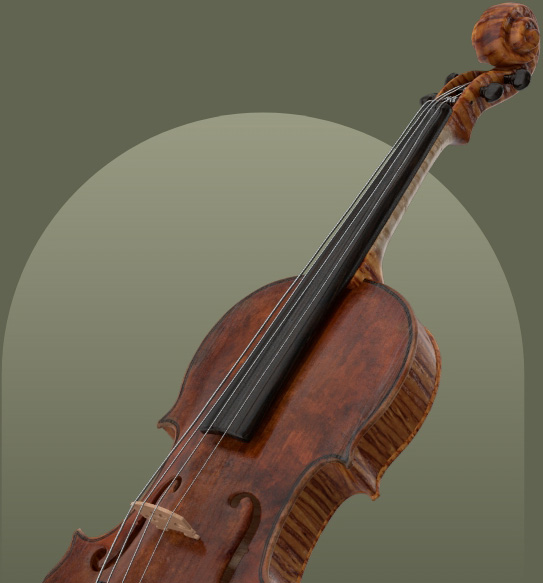
Matthias (I) Klotz
Mittenwald, 1653–1743
Matthias (I) Klotz (1653-1743) was a pivotal German violin maker, born in Mittenwald, and is credited as the founder of the Mittenwald violin industry. He trained as a journeyman with lute maker Pietro Railich in Padua and is widely reported to have been a pupil of Stainer, whose influence is evident in his later work. Klotz established his workshop in Mittenwald by 1686, where he taught numerous apprentices and employed many workmen, laying the foundation for the town's renowned violin-making tradition. While his instruments are praised for their tone and workmanship, sources note issues with wood quality and varnish. His three sons continued his legacy, though his son Sebastian is often considered his superior. A statue and fresco in Mittenwald commemorate his significant contributions to the craft.
Request an expert valuation or learn how our global auctions achieve the highest prices for your instruments.
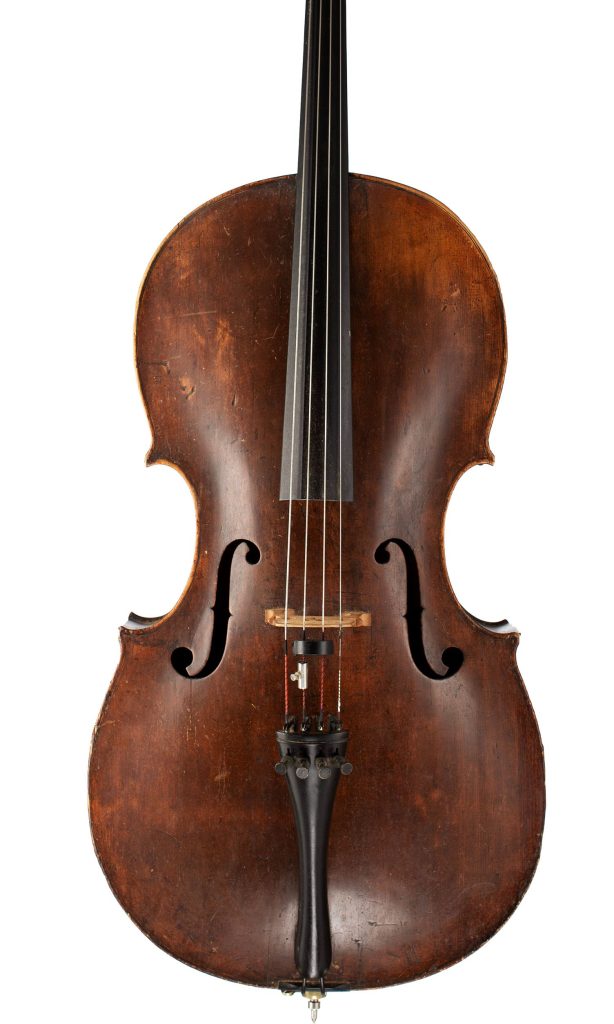
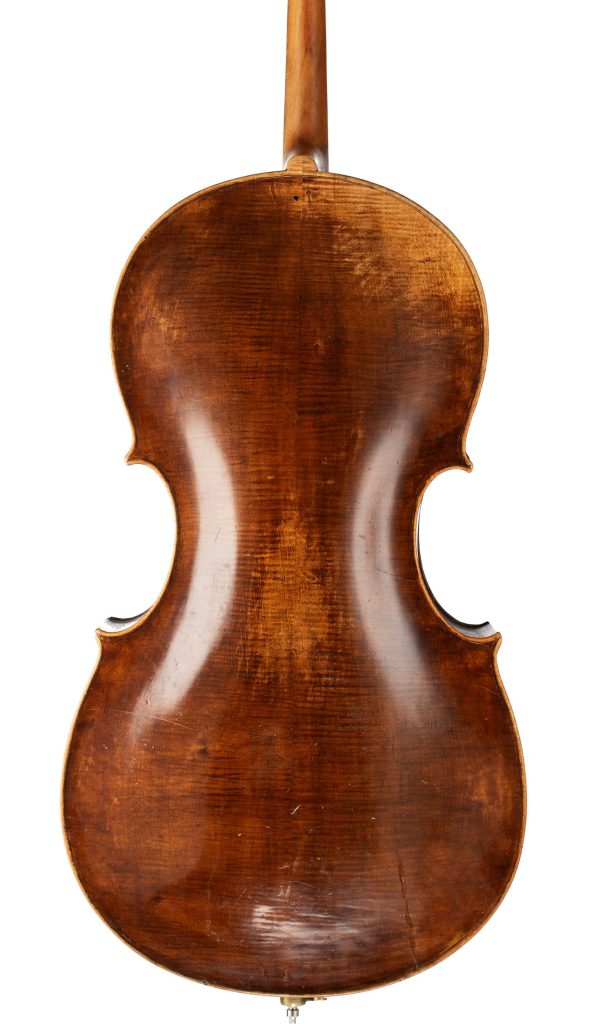
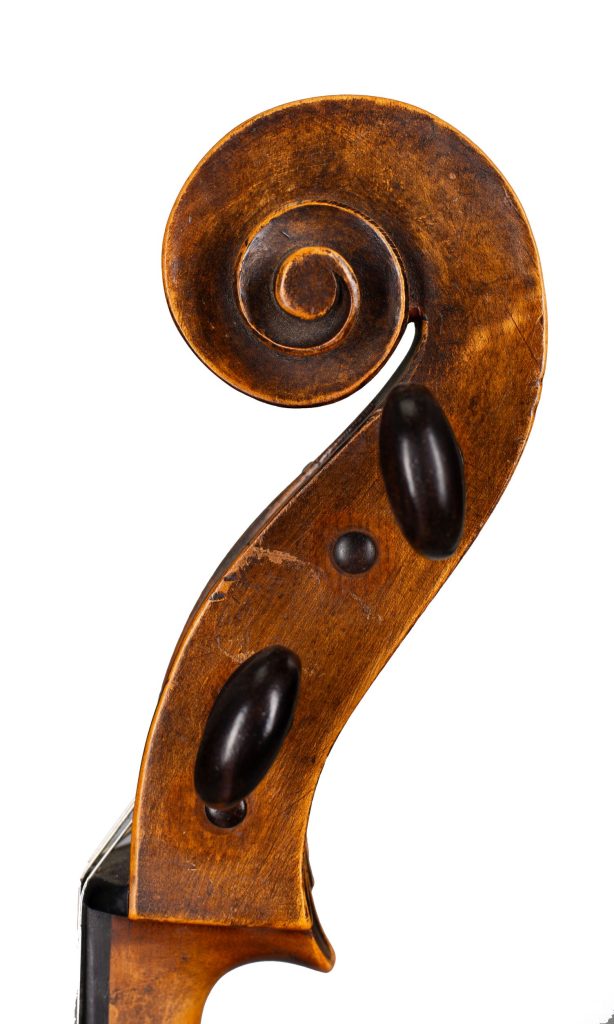
Instruments
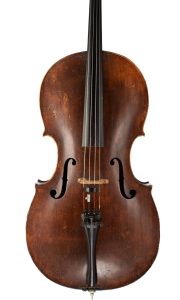
Auction Price History
Highest auction price
9 results
| Type | Details | Auction house | Sold | Price |
|---|---|---|---|---|
| Violin | Mittenwald, 1735 | — | November 2005 | £6,316 |
| Violin | Mittenwald, 1741 Child's size | — | May 2005 | £1,776 |
| Violin | Mittenwald, 1723 | — | May 2005 | £3,552 |
| Violin | 1719 | — | March 2001 | £4,112 |
| Violin | 17-- | — | November 1996 | £5,750 |
| Violin | 1720 c. | — | March 1994 | £1,840 |
| Violin | 1720 c. | — | November 1992 | £1,760 |
| Violin | 1732 | — | December 1986 | £682 |
| Violin | 1737 | — | March 1980 | £733 |
No results match those filters.
Maker Overview
Life
Matthias (I) Klotz (1653-1743) was born in Mittenwald, Germany, the son of Urban Klotz, a tailor. He is recognized as the first maker of this extensive and highly important family of violin makers and is considered by Willibald Leo Lütgendorff as "Der eigentliche Gründer der Geigenindustrie Mittenwalds" (the actual founder of Mittenwald's violin industry). From 1672 to 1678, he was recorded as a journeyman worker in the workshop of the Bavarian-born lute maker Pietro Railich in Padua. By 1686, he was established as a 'lauternmacher' in Gries, a part of Mittenwald, later moving to Oberen Markt and then to Herrengasse within the town. Sources contain conflicting information regarding his early training; while Lütgendorff suggests he may have learned in Füssen or Vils and perhaps even worked with Stainer himself, and George Hart reports he was a pupil of Stainer, Cecie Stainer states he is said to have learned his trade from Stainer himself and traveled in Italy, visiting Florence and Cremona. Lütgendorff also mentions a romanticized account of his apprenticeship with Nic. Amati in Cremona as a ten-year-old boy, returning after twenty years to a flourishing Mittenwald due to Venetian merchants moving their market there. He was married twice and owned a house in the Judengasse. A statue of Matthias was erected in front of the church of St Peter and Paul in 1890, and a small 20th-century tablet and fresco commemorate him in the town.
Characteristics
- Workmanship
- , the execution of his works is "sehr lobenswerth" (very praiseworthy), and the tone is "recht gut" (quite good). However, Lütgendorff also notes that his wood is "nicht immer schön und dem Wurmfrass ausgesetzt" (not always beautiful and susceptible to worm damage). George Hart similarly states that his work is good but the varnish poor, and much of the wood he used was cut at the wrong season, leading to it being worm-eaten. Cecie Stainer describes the tone of his instruments as "not bad," but the yellow-brown varnish is "of poor quality" and the sound-holes "rather small."
- Style
- John Dilworth notes that his earliest known violin is "quite Italianate," but later instruments show the Stainer influence in what became a more characteristic and typically German style, featuring "fairly high arching, deep and narrow edge fluting, and very curved soundholes." Cecie Stainer confirms that he "closely followed the Stainer pattern."
- Instruments
- His earliest authenticated work is a viola dated 1712, though his instruments are relatively rare. A violin from 1714 is preserved in the Mittenwald Violin Making School, and two other examples are dated 1725 and 1727. A bass viol from 1715 is also known. The Paris Conservatoire Collection holds a viola d'amore with seven strings and fifteen sympathetic strings, dated Mittenwald, 1732.
- Labels
- Examples of his labels include "Mathias Kloz Lauternmacher / in Mittenwaldt Anno 1714" and "Mathias Kloz Lauternmacher / in Mittenvvaldt Anno 1725." Lütgendorff mentions a claim that he sometimes used Stainer's labels to sell his instruments more easily.
- Mathias Kloz Lauternmacher
in Mittenwaldt Anno 1714John Dilworth - Mathias Kloz Lauternmacher
in Mittenvvaldt Anno 1725John Dilworth
Influence and legacy
- Mentorship: Matthias (I) Klotz was a journeyman in the workshop of the lute maker Pietro Railich in Padua from 1672 to 1678. He is also reported to have been a pupil of Stainer, and his work shows a strong Stainer influence.
- Teaching: He taught several individuals who were engaged in his workshop at various times, including Andreas and Johannes Jais, Martin Dieffenbrunner (Tieffenbrunner), Johannes Daenzl (Tentzel), Nikolaus Woernle, Michael Schaendl, and Martin Baader.
- Family Continuity: Three of his sons became violin makers: Georg (I), Sebastian (I), and Johan Carl. Cecie Stainer lists his sons as George, Sebastian, and Joseph. These sons secured Mittenwald's long association with the German violin craft.
- Reputation: Both Willibald Leo Lütgendorff and George Hart state that it is an error to consider Matthias (I) Klotz the best master of the family, as his son Sebastian was his superior.
- Market Impact: He found suitable conditions in Mittenwald for his art, with abundant good wood and sales opportunities to both the south and north. He attracted students and assistants, achieving recognition and prosperity. The extensive trade he helped establish later transitioned to the Neuner family, with Johann and Mathias Neuner beginning to monopolize the Mittenwald violin trade around 1730.
Further Information
- Workshop Organization: Cecie Stainer notes that Matthias (I) Klotz took advantage of the famed pine woods around Mittenwald, employing numerous workmen to make cheap violins. Typically, each workman made only one specific part of the instrument, with other workmen assembling the parts.
- Workshop Output: Given his well-populated workshop, John Dilworth suggests that the majority of Klotz's work went unlabelled, and at least some effort was put into other forms of instruments beyond violins.
- Collections: An alto of beautiful wood and fine workmanship, once part of the Snoeck Collection (No. 576), is now in Berlin.
Biographies
The overview above is drawn from the following published accounts. Read them in the original:
John Dilworth+
KLOTZ, Matthias (I) Born 1653, died 1743 Mittenwald Germany. Son of Urban Klotz, a tailor. First maker of this extended and highly important family of violin makers. From 1672-1678 he is recorded as a journeyman worker in the workshop of the Bavarian- born lute maker Pietro Railich in Padua. Railich is known for several surviving lutes but not thought to have been a violin maker, and it is not certain how Klotz arrived at his own style of work. By 1686 he was established as a ‘lauternmacher’ in Gries, a part of Mittenwald. He later moved to Oberen Markt and to Herrengasse in the town. Three sons from two marriages became violin makers: Georg (I), Sebastian (I) and Johan Carl, and secured the long association of Mittenwald with the German violin craft. He also taught several others who were engaged in his workshop at various times: Andreas and Johannes Jais, Martin Dieffenbrunner (Tieffenbrunner), Johannes Daenzl (Tentzel), Nikolaus Woernle, Michael Schaendl and Martin Baader. A statue of Matthias was erected in front of the church of St Peter and Paul in 1890, and there is a small 20th century tablet and fresco in the town. His earliest authenticated work is a viola dated 1712 but his instruments are relatively rare. Given such a well-populated workshop, it is thought that the majority of Klotz’ work went unlabelled, and at least some effort was put into other forms of instruments. The earliest known violin is quite Italianate, but later instruments show the Stainer influence in what was to become a more characteristic and typically German style, with fairly high arching, deep and narrow edge fluting, and very curved soundholes. A violin of 1714 is kept in the Mittenwald Violin Making School. Two other examples are dated 1725 and 1727 and there is a bass viol of 1715. Mathias Kloz Lauternmacher / in Mittenwaldt Anno 1714 Mathias Kloz Lauternmacher / in Mittenvvaldt Anno 1725 [Layer, Baader, Senn]
George Hart+
Is reported to have been a pupil of Stainer; born about 1640. The work is good but the varnish poor. Much of the wood that he used was cut at the wrong season, and is consequently worm-eaten. It is an error to give Matthias the foremost place in this large family of Violin makers—his son Sebastian was his superior.
Cecie Stainer+
b. about 1650. Worked in Mittenwald till about 1735. Is said to have learnt his trade from Stainer himself; in his instruments he closely followed the Stainer pattern. He travelled in Italy, visiting Florence and Cremona, before he finally started, about 1683, his great work in Mittenwald. The small town was then in a state of great poverty, but Mathias, taking advantage of the famed pine woods around, in which he found just the material he required, employed numbers of workmen to make cheap violins, which were afterwards hawked round from house to house and sold at extraordinarily low prices. As a rule each workman made one and only one of the required parts of the instrument, other workmen were employed in putting the parts together into one whole.
Mittenwald soon rivalled Markneukirchen in Saxony and Mirecourt in the Vosges in this industry, and the fortune of the town was made. The tone of the instruments is not bad, but the yellow-brown varnish is of poor quality and the sound-holes rather small. In a viol, of which the neck and head had been changed so as to turn it into a viola, was the label : ” Mathias Klotz Lautenmacher in Mittenwald, anno 17—.” In the Paris Conservatoire Collection is a viola d’amore with seven strings and fifteen sympathetic strings, dated Mittenwald, 1732. His three sons, George. Sebastian, and Joseph, were all makers.
Willibald Leo Lütgendorff+
Der eigentliche Gründer der Geigenindustrie Mittenwalds. Er war der
älteste Sohn von Urban Klotz und durfte in Füssen oder Vils gelernt haben
und hat vielleicht auch bei Stainer selbst gearbeitet; auch ist nicht ausgeschlossen,
dass er auf der Wanderschaft bis nach Italien gekommen ist; seine Arbeit steht
jedoch nur unter dem Einfluss Stainer’s. Die Geschichte seiner Lehrjahre wird
gewöhnlich sehr romantisch dargestellt. Da durch die Gebirgspässe bei Mittenwald
eine der wichtigsten Heerstrassen aus der Levante, Italien und Tyrol nach
Augsburg führte und die Mittenwalder Rollfuhrleute daher leicht Beziehungen
bis weit nach Italien hinein haben konnten, soll Mathias schon als zehnjähriger
Knabe von einem solchen Fuhrmann nach Cremona zu Nic. Amati gebracht
worden sein. Nach zwanzigjähriger Abwesenheit sei er dann heimgekehrt, wo
er seinen Geburtsort in grossem Aufschwung fand. Die venezianischen Kaufleute
hatten nämlich ihren Markt von Bozen nach Mittenwald verlegt. Dieser
Umstand durfte ihn thatsächlich zum Bleiben veranlasst haben. Er fand jetzt
in Mittenwald einen geeigneten Boden für seine Kunst; an gutem Holz war kein
Mangel, und Absatzgelegenheit war sowohl nach dem Süden wie nach dem
Norden reichlich vorhanden. Er zog sich Schüler und Gehilfen heran und brachte
es zu Ansehen und Wohlstand, hatte ein Haus in der Judengasse und war zwei Mal
verheirathet. Es ist jedenfalls den fremden Kaufleuten zuzuschreiben, die immer
nur Geigen von dem damals schon hochgeschätzten Stainer haben wollten, wenn
er, um seine Arbeiten leichter an den Mann zu bringen, wie man behauptet,
auch Zettel mit Stainer’s Namen in seine Geigen klebte. In Bezug auf die
Durchführung sind seine Arbeiten sehr lobenswerth; auch der Ton ist recht gut;
dagegen ist sein Holz nicht immer schön und dem Wurmfrass ausgesetzt. Der
Lack ist auf dunklem Grunde aufgetragen und hat einen gelblichen Schimmer,
ist im Allgemeinen aber dürftig. Übrigens ist es ein Irrthum, ihn für den besten Meister der Familie zu halten, da er z. B. von seinem Sohne Sebastian
weit übertroffen wurde. Der ausgedehnte Handel ging später auf die Neuner
über. Schon um 1730 traten Johann und Mathias Neuner in den Vordergrund und verstanden es, allmählich den ganzen Mittenwalder Geigenhandel zu monopolisiren.
— Ein Alto von schönem Holz und hübscher Arbeit besass die Sammlung Snoeck (No. 576, jetzt in Berlin).
Sell your instrument with Amati
Get started by uploading photos of your instrument for our experts to review.
Sell your instrument with Amati
Get started by uploading photos of your instrument for our experts to review.