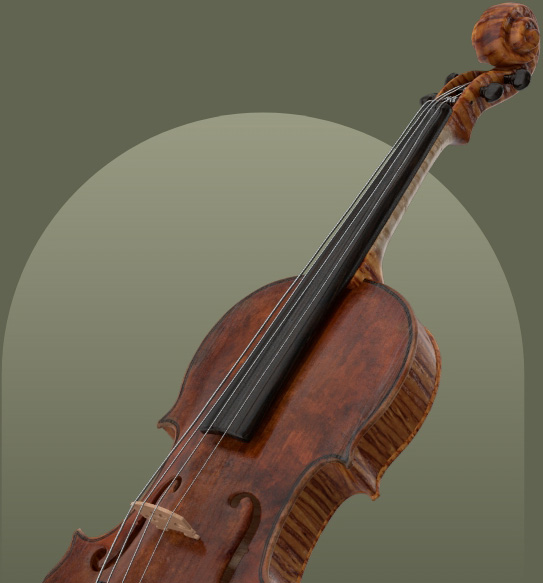
Carlo Tononi
Bologna, Venice, 1675–1730
Son and pupil of Giovanni Tononi, below. Worked in Bologna, much in the style of his father, until 1717 when he moved to Venice. Worked there for Matteo Sellas and started to label his own instruments from 1720. — John Dilworth
Request an expert valuation or learn how our global auctions achieve the highest prices for your instruments.
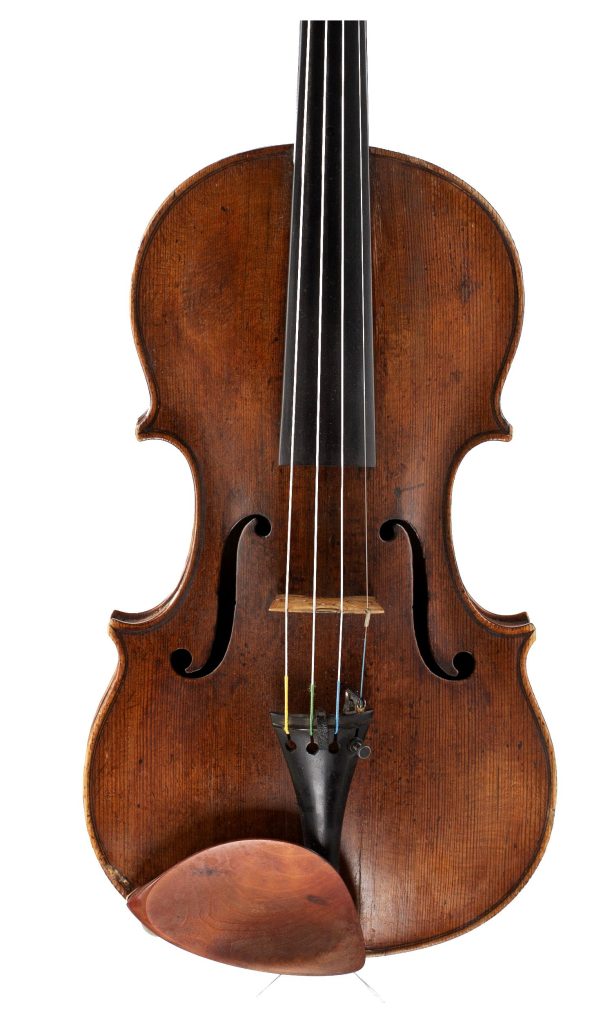
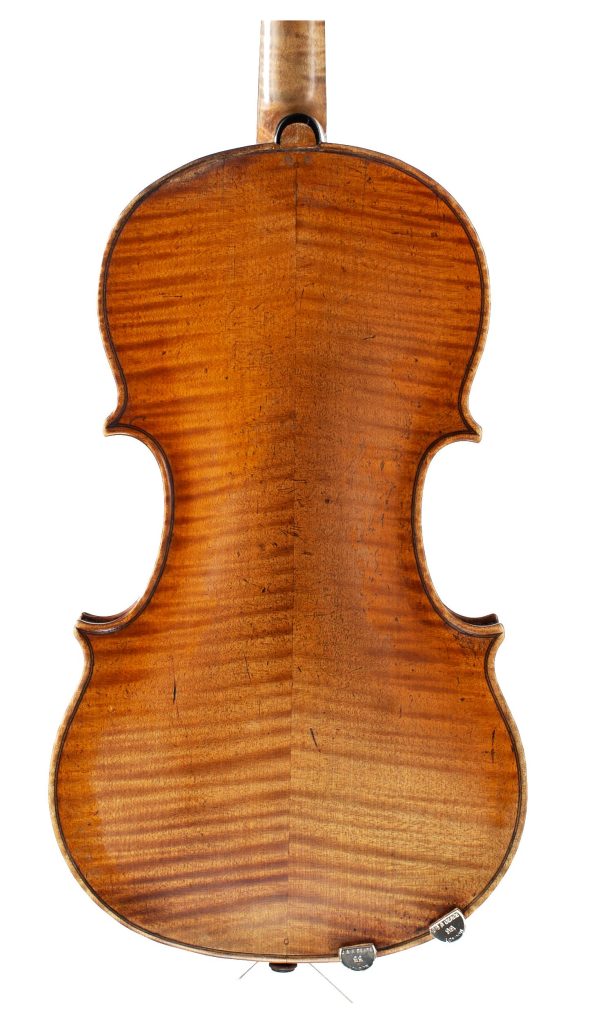
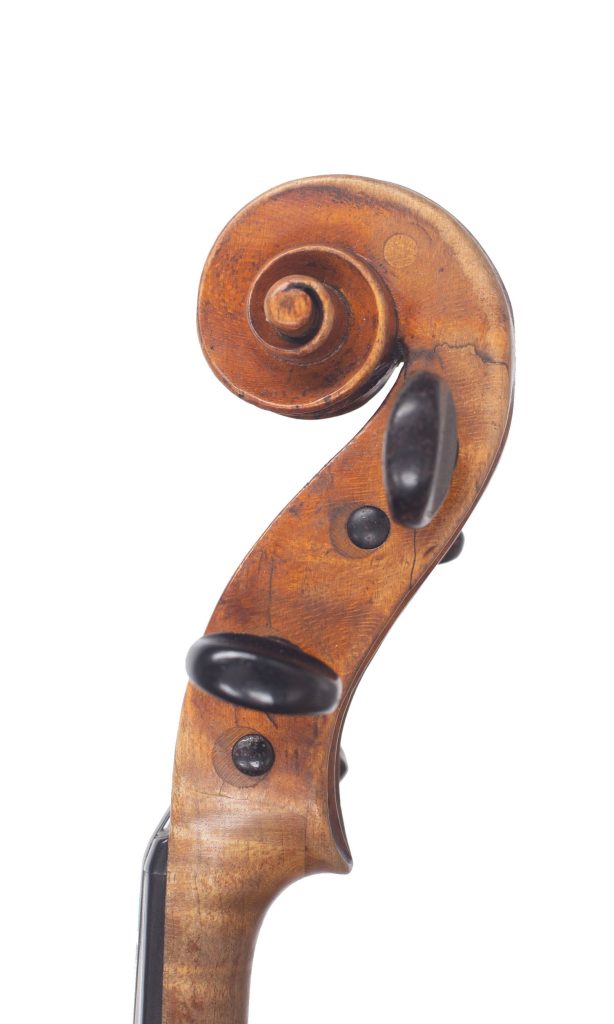
Instruments

Auction Price History
Highest auction price
32 results
| Type | Details | Auction house | Sold | Price |
|---|---|---|---|---|
| Violin | A violin by Carlo Tononi, Venice, circa 1700 Lot 207 | Amati | March 2025 | £31,600est. £ 20,000-30,000 |
| Violin | Labelled Joseph Guarnerius filius Andreae fecit, Cremone sub titulo S. Teresiae 1710 Lot 20 | Tarisio | November 2021 | £88,333est. £ 100,000-150,000 |
| Violin | Labelled Carlo Tononi Bolognese fece in ..., table of Bartolomeo Calvarola in Bergamo in c. 1751 Lot 162 | Tarisio | November 2020 | £24,502est. $ 30,000-50,000 |
| Violin | Labelled Guarnerius fecit ..., scroll by Giovanni Floreno Guidanti Lot 29 | Tarisio | July 2020 | £94,400est. £ 80,000-120,000 |
| Small Violin | Bearing its original label Carolus Tunonus Fecit Bononiae in Platea Pauaglionis Anno Domini 1693 Lot 217 | Ingles & Hayday | October 2018 | £16,800est. £ 8,000-12,000 |
| Violin | Violin, 1722 Lot 191 | Brompton’s | October 2017 | £36,000est. £ 30,000-50,000 |
| Viola | Labelled Carlo Tononi Bolognese Fece in Venezia l'A: 1728 Lot 59 | Ingles & Hayday | March 2017 | £108,000est. £ 40,000-60,000 |
| Violin | Labelled Fornito da me Carlo Tononi in Bologna in S. Mamolo all'Insegna di S. Cecilia, Anno 1702 Lot 203 | Tarisio | February 2017 | £94,623est. $ 150,000-220,000 |
| Violin | Labelled Carlo Tononi Bolognese, fece in Venezia A: 17..., top and head later, branded Carlo Tononi Lot 165 | Tarisio | May 2016 | £24,922est. $ 20,000-30,000 |
| Small Violin | Labelled Antonius et Hieronymus Frat. Amati, Cremonen, Andrea Fil. F. 1676, ribs and head later Lot 154 | Tarisio | March 2014 | £10,620est. £ 12,000-18,000 |
| Violin | Scroll by Santo Serafino of Venezia, fine Italian table by Danielli, in an excellent state of preservation Lot 77 | Brompton’s | March 2014 | £72,000est. £ 60,000-80,000 |
| Violin | Unlabelled, branded to the lower rib Carlo Tonon Lot 394 | Brompton’s | December 2012 | £15,600est. £ 15,000-20,000 |
| Violin | Labelled Carlo Tononi Bolognese Fece in Venezia l'A: 1735 Lot 54 | Christie's | November 2012 | £106,420est. $ 70,000-120,000 |
| Violin | 35.6 cm Venice, 1733 ex "Eduard Colonne" | — | October 2010 | £228,000 |
| Violin | 35.6 cm Attributed to | — | May 2009 | £10,093 |
| Violin | 35.3 cm Venice, 1726 | — | October 2008 | £22,500 |
| Violin | 35.3 cm Bologna or Venice, 1715-20 c. with Literature | — | March 2008 | £180,500 |
| Violin | 35.5 cm Venice, 1725 | — | March 2008 | £78,500 |
| Violin | Venice, 1716 | — | May 2005 | £34,309 |
| Cello | Italy, 18th C. Attributed to | — | February 2005 | £20,400 |
| Violin | 18th C. Attributed to | — | February 2005 | £14,400 |
| Violin | Attributed to | — | February 2005 | £7,800 |
| Violin | Attributed to | — | July 2004 | £35,850 |
| Violin | Venice Attributed to | — | July 2004 | £20,315 |
| Cello | Bologna, 1705 c. | — | March 2004 | £23,900 |
| Violin | 1725 | — | October 2000 | £116,275 |
| Violin | 1720 | — | May 2000 | £38,149 |
| Violin | 1703 | — | June 1995 | £58,700 |
| Cello | 1730 | — | April 1991 | £143,000 |
| Violin | 1750 c. | — | November 1990 | £19,800 |
| Violin | 1715 | — | November 1986 | £33,000 |
| Violin | 1725 | — | June 1984 | £34,560 |
No results match those filters.
Maker Overview
Life
Carlo Tononi (1675-1730) was, the son and pupil of Giovanni Tononi. He initially worked in Bologna, much in the style of his father, until 1717 when he relocated to Venice. In Venice, he worked for Matteo Sellas and began to label his own instruments from 1720. Sources contain conflicting information regarding his parentage; Karel Jalovec and Cecie Stainer identify him as the son of Felice and brother of Giovanni and Guido. Furthermore, there are discrepancies regarding his working dates and lifespan. While John Dilworth states his death in 1730, labels cited by Dilworth and Stainer indicate instruments made in Venice as late as 1739. Willibald Leo Lütgendorff discusses the possibility that the Bolognese and Venetian Carlo Tononi might be the same person, noting their shared shop sign 'zur heil. Cäcilie' (to Saint Cecilia), but also points out that this would imply a lifespan of at least 100 years and that the work of the Venetian master differs significantly from that of the Bolognese master. George Hart notes that his violins date from about 1716.
Characteristics
- Model
- Carlo Tononi's instruments are generally of a large model, often featuring very full arching, though Cecie Stainer notes they are not as highly arched as those of his brother Giovanni. He worked in Amatisé and Stainer patterns, with Henri Poidras stating his flat model is best and greatly resembles that of Montagnana. Karel Jalovec describes his instruments as having a most beautiful large pattern in the style of Nicolo Amati, with the upper part of the belly being broader but flatter, and in Venice, he worked on the large pattern of Amati, with arching and gracefully cut small, round sound-holes executed in the style of Stainer.
- Workmanship
- John Dilworth describes his style as generally very refined with slender purfling, though he also notes that workmanship is quite inconsistent, with some examples made with the plainest materials and ill-shaped heads. George Hart states his instruments are beautifully made. Karel Jalovec highlights the very carefully worked belly and admirably finished edges and purfling.
- Varnish
- The varnish used by Tononi is described by John Dilworth as yellow-gold or deep red, of inferior quality to that of his father in Bologna. Henri Poidras mentions a fine Venetian orange varnish. Karel Jalovec notes he applied a good yellow, brown, often also red varnish, and in Venice, a yellow or yellow-red varnish with high lustre. George Hart and Cecie Stainer both describe his varnish as somewhat similar to Santo Serafino's, with Stainer specifying a yellow-brown colour. Willibald Leo Lütgendorff also notes his orange varnish is similar to Serafino Santo.
- Materials
- Henri Poidras states that Tononi was not always over-careful in his choice of woods. John Dilworth mentions some examples made with the plainest materials. Willibald Leo Lütgendorff observes that the wood used was very different, sometimes magnificent and often quite ordinary.
- Soundholes
- Henri Poidras notes that the lower part of the sound holes is much open. Karel Jalovec describes them as gracefully cut small, round sound-holes.
- Cellos
- John Dilworth states that his cellos are rare but of a typically grand Venetian character.
- Pochettes
- John Dilworth mentions pochettes decorated with inlay. Cecie Stainer notes a pocket violin with beautiful inlaid work was exhibited at Milan in 1881.
- Bows
- John Dilworth reports that bows survive with Carlo Tononi's brand, some of the most important surviving examples of the early Italian school, characterized by being pike-headed and elegantly fluted.
- Branding
- Henri Poidras and George Hart state that his instruments were branded above the tail pin. Cecie Stainer and Willibald Leo Lütgendorff add that he often branded his monogram or name near the button of the tailpiece.
- Carolo Tonocus fecit Bononiae
in Platea Castaelionis, anno Domini
1698John Dilworth - Carolus Tononi fecit Bononiae in via
Sancti Mamantis sub signo Sancte
Caecilie, Anno Domini 1716John Dilworth - Fornito da me Carlo Tononi in Bologna
in S. Mamolo al Insegno di S. Cecilia.
Anno 1715John Dilworth - Carolus Tononi Bonon. restaursuit Venetijs 1721John Dilworth
- Carlo Tononi Bolognese
Fece in Venezia l’A: 17..John Dilworth - Carolus de Tononi
fecit Venetiis 17..John Dilworth - Carolus Tononi Bonon. fecit
Venetiis sub Titulo S. Ceciliae
anno 1739John Dilworth
Influence and legacy
- Mentorship: was the pupil of Giovanni Tononi. Henri Poidras suggests that Montagnana was, in all probability, his master.
- Stylistic Influence: He worked much in the style of his father. His instruments are described as being made after Nicolo Amati by Henri Poidras, Karel Jalovec, and Willibald Leo Lütgendorff, and also incorporating Stainer patterns by John Dilworth and Karel Jalovec.
- Collaborations: In Venice, he worked for Matteo Sellas.
- Family Connections: Sources contain conflicting information regarding his family. John Dilworth identifies him as the son of Giovanni Tononi. However, Karel Jalovec and Cecie Stainer state he was the son of Felice and brother of Giovanni and Guido.
- Exhibitions & Collections: A pocket violin with beautiful inlaid work by Carlo Tononi was exhibited at Milan in 1881. A violin by him is part of the Collection of the Liceo filarmonico in Bologna.
- Market Value: Karel Jalovec indicates that his Bologna instruments commanded prices of 80,000 Kc and more, while his Venice instruments were valued between 65,000 and 80,000 Kc.
Further Information
- Working Locations: Carlo Tononi worked in Bologna and later in Venice.
- Shop Addresses & Signs: His labels indicate various addresses, including 'in Platea Castaelionis' in Bologna, 'in via Sancti Mamantis sub signo Sancte Caecilie' in Bologna, and 'in S. Mamolo al Insegno di S. Cecilia' also in Bologna. In Venice, he worked 'sub Titulo S. Ceciliae'. Willibald Leo Lütgendorff notes the consistent use of the 'zur heil. Cäcilie' (to Saint Cecilia) shop sign in both Bologna and Venice.
- Labels: Examples of his labels include: 'Carolo Tonocus fecit Bononiae / in Platea Castaelionis, anno Domini / 1698', 'Carolus Tononi fecit Bononiae in via / Sancti Mamantis sub signo Sancte / Caecilie, Anno Domini 1716', 'Fornito da me Carlo Tononi in Bologna / in S. Mamolo al Insegno di S. Cecilia. / Anno 1715', 'Carolus Tononi Bonon. restaursuit Venetijs 1721', 'Carlo Tononi Bolognese/ Fece in Venezia l’A: 17..', 'Carolus de Tononi / fecit Venetiis 17..', and 'Carolus Tononi Bonon. fecit / Venetijs sub Titulo S. Ceciliae / anno 1739'.
Biographies
The overview above is drawn from the following published accounts. Read them in the original:
John Dilworth+
TONONI, Carlo Born 1675 Bologna, died 1730 Venice Italy. Son and pupil of Giovanni Tononi, below. Worked in Bologna, much in the style of his father, until 1717 when he moved to Venice. Worked there for Matteo Sellas and started to label his own instruments from 1720. Large model, often with very full arching, but generally very refined style with slender purfling. Amatisé and Stainer patterns. Yellow-gold or deep red varnish of inferior quality to that of his father in Bologna. Cellos rare, but of typically grand Venetian character. Workmanship is quite inconsistent, with some examples made with the plainest materials, and ill-shaped heads. Pochettes decorated with inlay. Bows survive with his brand, some of the most important surviving examples of the early Italian school: pike-headed and elegantly fluted. Carolo Tonocus fecit Bononiae / in Platea Castaelionis, anno Domini / 1698 Carolus Tononi fecit Bononiae in via / Sancti Mamantis sub signo Sancte / Caecilie, Anno Domini 1716 Fornito da me Carlo Tononi in Bologna / in S. Mamolo al Insegno di S. Cecilia. / Anno 1715 Carolus Tononi Bonon. restaursuit Venetijs 1721 Carlo Tononi Bolognese/ Fece in Venezia l’A: 17.. Carolus de Tononi / fecit Venetiis 17.. Carolus Tononi Bonon. fecit / Venetiis sub Titulo S. Ceciliae / anno 1739
Cecie Stainer+
Son of Felice. First worked in Bologna, then settled in Venice. His instruments vary a good deal; they are generally of a large pattern, not so highly arched as those of his brother Giovanni, and show beautiful workmanship; his varnish, somewhat similar to that of Santo Serafino, is a yellow-brown colour. A pocket violin, with beautiful inlaid work, was exhibited at Milan, 1881, its label was; ” Carolo Tononus fecit Bononia; in Platea Castaetionis, anno Domini 1698.” In a violin in the Collection of the Liceo filarmonico, Bologna, is the label : ” Carolus Tononi fecit Bononiae, anno 1717.” Another label is: “Carolus Tononi Bonon fecit Venetiis sub titulo S. Cecilicae, anno 1739.” He often branded his monogram near the button of the tailpiece.
George Hart+
Probably a son of [Carlo Tononi], Venice. The model varies very much; those of the flat Pattern are excellent instruments. They are large, and beautifully made. The varnish, though inferior to that of Santo Serafino, is similar. These Violins are branded above the tail-pin. His Violins date from about 1716.
Willibald Leo Lütgendorff+
Wahrscheinlich ein Sohn von Carlo T. Man hat die Behauptung aufgestellt, dass der Bologneser und der Venezianer Carlo T. ein und dieselbe Person seien, da Beide das gleiche Ladenschild »zur heil. Cäcilie« führten. Abgesehen davon, dass man ihm dann ein Lebensalter von mindestens 100 Jahren zubilligen müsste, unterscheidet sich auch die Arbeit des Venezianers sehr von der des in Bologna arbeitenden Meisters. Carlo Antonio T. ist wesentlich schwächer; er arbeitet nach Nic. Amati; sein Orange-Lack ist dem von Serafino Santo ähnlich, das Holz sehr verschieden, manchmal prachtvoll und oft recht gewöhnlich. Er brannte seinen Namen auch am Knopf des Saitenhalters ein. Gallay theilt einen Zettel von der zweiten Art aus dem Jahre 1768 mit, der den Zusatz enthält: »e dal 1728 defini di far prove e gl’istrumenti principio.«
Henri Poidras+
Beautiful make after N. Amati. His flat model is best; it greatly resembles that of Montagnana who in all probability was his master. The body of the instrument is ample, but, the scroll although graceful is not treated in the same manner, as might be expected. The lower part of the sound holes is much open. Fine Venetian orange varnish. Branded above the tail pin. This master was not always over-careful in his choice of woods.
Karel Jalovec+
Bologna. About 1689—1717. Son of Felice, brother of Giovanni and Guido. Built instruments on a most beautiful large pattern in the style of Nicolo Amati. The upper part of the very carefully worked belly is broader, but flatter. He applied a good yellow, brown, often also red varnish. His instruments have a full arching and wonderful tone. Price 80.000 Kc and more. When in Venice Tononi worked on the large pattern of Amati. The arching and the gracefully cut small, round sound-holes are executed, however, in the style of Stainer. The edges and the purfling are admirably finished. He used a yellow or yellow-red varnish with high lustre. His works are very good concert instruments. Price 65-80.000 Kc.
Sell your instrument with Amati
Get started by uploading photos of your instrument for our experts to review.
Sell your instrument with Amati
Get started by uploading photos of your instrument for our experts to review.