Luigi Fabris
Venice, 1809–1889
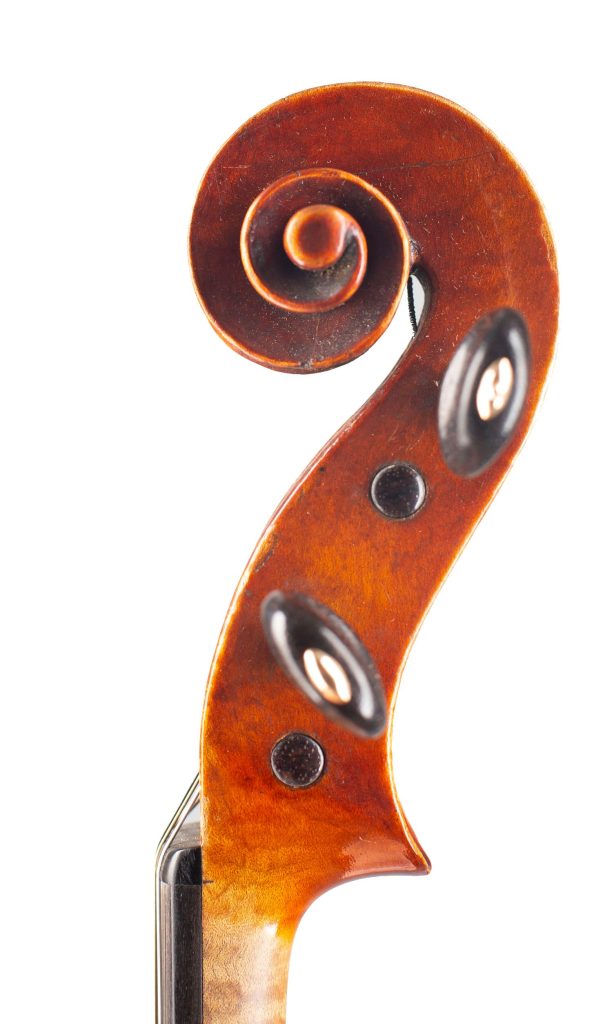
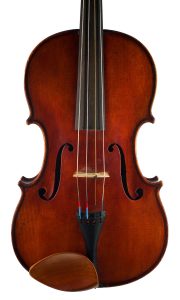
Luigi Fabris (1809-1889) was a Venetian violin maker from a prominent musical family. He initially worked from various addresses in Venice, including 879 Calle San Giovanni and 1019 Campiello delle Stroppe. Though economic pressures led him to work for a retailer for a period, he returned to full-time making by 1870, producing many of his best instruments during this later phase. Fabris was known for his rugged workmanship, broad purfling, and a distinctive red-brown varnish, which he also marketed. He often used bird's eye maple and coarse pine. His cellos are particularly sought after, and he received a silver medal at the Treviso Exposition in 1872.
Request an expert valuation or learn how our global auctions achieve the highest prices for your instruments.
Instruments
Auction Price History
Highest auction price
9 results
| Type | Details | Auction house | Sold | Price |
|---|---|---|---|---|
| Small Cello | Labelled Luigi Fabris fecit Venezia l'anno 1842 Lot 22 | Tarisio | October 2025 | £64,900est. £ 80,000-120,000 |
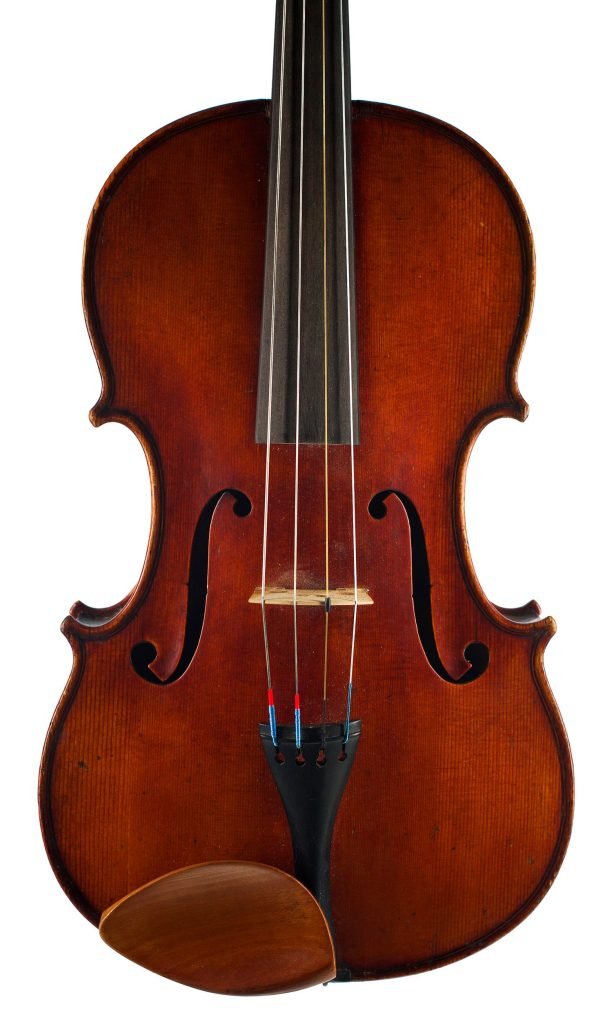
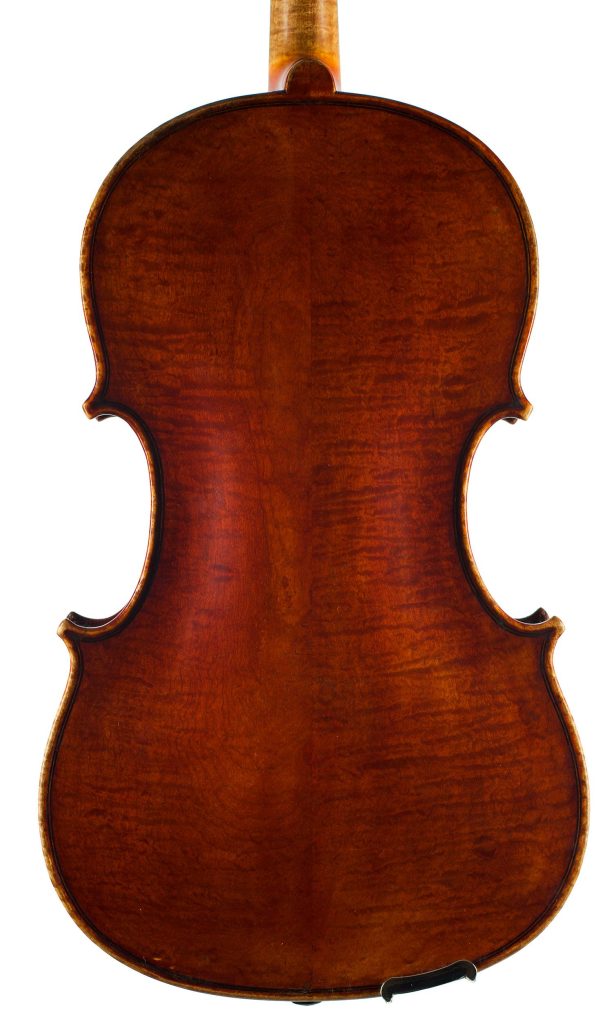
| Viola | Labelled Luigi Fabris; fecit. Venezia, Anno 1873 Premiato con Medaglia d'argento all'Esposizione di ... Lot 27 | Tarisio | June 2023 | £37,946est. $ 50,000-80,000 |
| Viola | A viola by Luigi Fabris, Venice, circa 1860 Lot 94 | Amati | March 2022 | £8,848est. £ 3,000-6,000 |
| Cello | 73.3 cm Venice, 1842 Ascribed to & possibly by | — | November 2011 | £82,700 |
| Violin | Venice, 1847 | — | June 2005 | £17,710 |
| Violin | Venice, 19th C. Attributed to | — | October 2004 | £5,090 |
| Cello | 1860 c. Possibly by | — | March 2004 | £10,200 |
| Violin | 1885 | — | November 1997 | £9,775 |
| Violin | 1862 | — | June 1988 | £4,400 |
No results match those filters.
Maker Overview
Life
Luigi Fabris (1809-1889) was born in 1809 and died in 1889 in Venice, Italy. He was a member of a well-known musical family in Venice, as documented by John Dilworth in The Brompton's Book of Violin & Bow Makers. Fabris resided from 1831 to 1841 at 879 Calle San Giovanni and spent the rest of his life at 1019 Campiello delle Stroppe. By approximately 1850, economic pressures necessitated his employment with Giuseppe Camploy, a general retailer of musical instruments and an avid collector. In 1856, he began marketing an instrument varnish, likely of his own formulation, designed to penetrate wood fibers and enhance acoustic properties. By 1870, Fabris had returned to full-time violin making, and many of his finest instruments originate from this period. He was awarded a silver medal at the Treviso Exposition in 1872.
Characteristics
- Models
- Fabris crafted instruments based on Stradivari or Guarneri models.
- Workmanship
- His workmanship is described as rugged rather than refined.
- Purfling
- Instruments feature extremely broad purfling.
- Varnish
- He used a very fine, well-textured red-brown varnish. Willibald Leo Lütgendorff noted that his red varnish was not bad, and John Dilworth mentioned his marketing of a varnish designed to penetrate wood fibers and enhance acoustic properties.
- Wood Selection
- Fabris often utilized bird's eye maple, which is not commonly found in Italian work, and fairly coarse pine for the tables.
- Instrument Types
- His cellos are considered very desirable, and viole d'amore are also extant.
- Repair Work
- demonstrated great care when repairing old violins.
- Luigi Fabris
fecit in Venezia Anno 1835
abita a San Giacomo dall’Orio Luigi Fabris fecit
Venezia l’anno 1861John Dilworth - Luigi Fabris fecit
Venezia Anno 1873
Premiato con medaglia d’argento al’ Esposizione di Treviso, 1872John Dilworth
Influence and legacy
- Training: Luigi Fabris was probably trained by Novello or Indri, who were the last remaining luthiers practicing in Venice at that time.
- Awards: Fabris was awarded a silver medal at the Treviso Exposition in 1872.
- Desirability: His cellos are considered very desirable.
Further Information
- Residences: From 1831 to 1841, he resided at 879 Calle San Giovanni, and for the remainder of his life, he lived at 1019 Campiello delle Stroppe.
- Labels: Examples of his labels include "Luigi Fabris / fecit in Venezia Anno 1835 / abita a San Giacomo dall’Orio," "Luigi Fabris fecit / Venezia l’anno 1861," and "Luigi Fabris fecit / Venezia Anno 1873 / Premiato con medaglia d'argento al’ Esposizione di Treviso, 1872."
Biographies
The overview above is drawn from the following published accounts. Read them in the original:
John Dilworth+
FABRIS, Luigi Born 1809, died 1889 Venice Italy. Member of a well-known musical family in Venice. Probably trained by Novello (a near neighbour) or Indri, the last remaining luthiers practicing in Venice at that time. Resident from 1831-1841 at 879 Calle San Giovanni and for the rest of his life at 1019 Campiello delle Stroppe. By about 1850 economic pressures forced him to take employment with Giuseppe Camploy, a general retailer of musical instruments and a keen collector. In 1856 began marketing instrument varnish, in all probability of his own devising, designed to penetrate the wood fibres and enhance its acoustic properties. By 1870 had returned to full-time violin making, and many of his best instruments date from this period. Awarded a silver medal at the Treviso Exposition 1872. Stradivari or Guarneri model; rugged rather than refined in workmanship. Extremely broad purfling and very fine well-textured red-brown varnish. Often used bird’s eye maple (not commonly encountered in Italian work) and fairly coarse pine for the tables. Cellos very desirable. Viole d’amore also extant. Luigi Fabris / fecit in Venezia Anno 1835 / abita a San Giacomo dall’Orio Luigi Fabris fecit / Venezia l’anno 1861 Luigi Fabris fecit / Venezia Anno 1873 / Premiato con medaglia d’argento al’ Esposizione di Treviso, 1872 [Pio]
Cecie Stainer+
A maker in Venice in the 19th century.
Willibald Leo Lütgendorff+
Seine Violinen sind gute Durchschnittswaaren ; auch sein rother Lack ist nicht
schlecht. Beim Ausbessern alter Geigen legte er grosse Sorgfalt an den Tag.
Sell your instrument with Amati
Get started by uploading photos of your instrument for our experts to review.
Sell your instrument with Amati
Get started by uploading photos of your instrument for our experts to review.