Giuseppe And Carlo (Fratelli) Fiscer
Milan, worked 1750–1780
Giuseppe And Carlo (Fratelli) Fiscer were brothers who worked as instrument makers in Milan, Italy, from approximately 1750 to 1780.
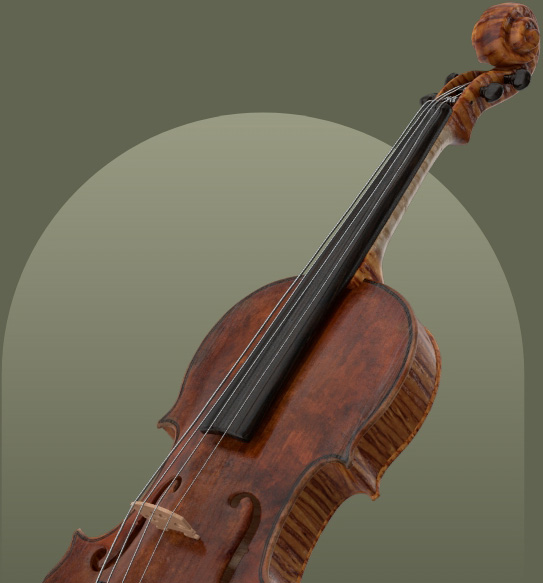
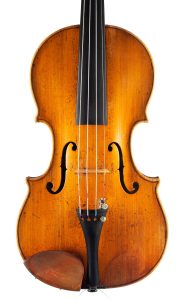
Though primarily known for plucked instruments, they also produced violins and cellos, often following Amati or Staineresque models.
Their work, which featured a distinctive yellow-red or golden-brown varnish, is often considered to have German characteristics, and their scrolls are noted as somewhat crude.
A mandolin by the brothers is preserved in the Cherubini collection in Florence, and Carlo Vincenzo Fiscer also worked independently.
Request an expert valuation or learn how our global auctions achieve the highest prices for your instruments.
Maker Overview
Life
Giuseppe And Carlo (Fratelli) Fiscer (circa. 1750-1780) worked in Milan, Italy, during the period of approximately 1750 to 1780.
in The Brompton's Book of Violin & Bow Makers, they are assumed to be of German origin.
While primarily makers of plucked instruments, violins are also recorded among their output, and some cellos have been reported.
A mandolin dated 1763, attributed to them, is held in the Cherubini collection in Florence.
A label cited by Vidal reads: "Giuseppe Carlo fratelli Fiscer / fabricatori di strumenti in Milano / Vicino Alla Balla, 1764".
Carlo Vincenzo Fiscer also worked alone, with a label from 1770 stating: "Carlo Vincenzo Fiscer / fabbricator d'istrumenti / Alla Balla in Milano anno 1770".
Cecie Stainer, in A Dictionary of Violin Makers, notes that their work, while resembling that of German makers, featured a better varnish.
Willibald Leo Lütgendorff, in Die Geigen- und Lautenmacher vom Mittelalter bis zur Gegenwart, speculates that they were likely two Germans named Fischer, or possibly members of the Ficker family, an idea supported by their craftsmanship.
Characteristics
- Models
- Their instruments followed Amati or Staineresque models.
- Scrolls
- The scrolls on their instruments are described as rather crude.
- Varnish
- John Dilworth notes a light golden-brown varnish, while Cecie Stainer describes it as a yellow-red colour and very satisfactory for its date. Willibald Leo Lütgendorff also mentions a red or reddish-yellow varnish.
- Workmanship
- Cecie Stainer refers to a "well-made violin" by the brothers.
- Label cited by Vidal: Giuseppe Carlo fratelli Fiscer
fabricatori di strumenti in Milano
Vicino Alla Balla, 1764John Dilworth - Label of Carlo working alone: Carlo Vincenzo Fiscer
fabbricator d’istrumenti
Alla Balla in Milano anno 1770John Dilworth
Influence and legacy
- National Style: Their work is noted by Cecie Stainer as resembling that of German makers more than Italian makers.
- Possible Lineage: Willibald Leo Lütgendorff suggests they might have been members of the Ficker family, indicating a potential German luthier tradition.
- Museum Collections: A mandolin dated 1763 by the Fiscer brothers is part of the Cherubini collection in Florence.
- Private Collections: A mandolin by Carlo Vincenzo Fiscer, working alone, was reportedly in the possession of a dealer in Munich.
Further Information
- Working Address: Their workshop was located "Vicino Alla Balla" or "Alla Balla in Milano".
- Labels: Known labels include "Giuseppe Carlo fratelli Fiscer / fabricatori di strumenti in Milano / Vicino Alla Balla, 1764" and for Carlo alone, "Carlo Vincenzo Fiscer / fabbricator d'istrumenti / Alla Balla in Milano anno 1770".
Biographies
The overview above is drawn from the following published accounts. Read them in the original:
John Dilworth+
FISCER FRATELLI, Giuseppe & Carlo Worked circa. 1750-1780 Milan Italy. Assumed to be of German origin. Primarily makers of plucked instruments, but violins are recorded. Amati or Staineresque models; scrolls rather crude. Light golden-brown varnish. Some cellos reported. The Cherubini collection, Florence has a mandolin dated 1763. Label cited by Vidal: Giuseppe Carlo fratelli Fiscer / fabricatori di strumenti in Milano / Vicino Alla Balla, 1764 Label of Carlo working alone: Carlo Vincenzo Fiscer / fabbricator d’istrumenti / Alla Balla in Milano anno 1770
Cecie Stainer+
Two brothers working in Milan together about 1760-64. Their work resembles more that of German than Italian makers, but their varnish is better ; it is a yellow-red colour and, for that date, very satisfactory. In a well-made violin is the label: “Giuseppe Carlo fratelli Fiscer, fabbricatori d’instrumenti in Milano, vicino alia balla, 1764.”
Willibald Leo Lütgendorff+
Vermuthlich zwei Deutsche Namens Fischer, oder, wenn de Piccolellis, der Ficher liest, Recht hat, dann konnte man die Brüder für Mitglieder der Familie Ficker halten. Ausser dem Namen spricht auch die Arbeit für die deutsche Herkunft. Ihre Geigen sind recht gut: auch der rothe oder rothgelbe Lack ist schon zu nennen.
Fiscer, Carlo Vincenzo. — Mailand. 1770.
Vermuthlich einer der beiden Brüder Fiscer, der 1770 mit der gleichen Adresse
allein arbeitend vorkommt. In München besitzt ein Händler eine Mandoline von ihm mit dem Zettel:
Sell your instrument with Amati
Get started by uploading photos of your instrument for our experts to review.
Sell your instrument with Amati
Get started by uploading photos of your instrument for our experts to review.