Charles (I) Harris
London, Oxford, worked 1810
Charles (I) Harris was a highly regarded English violin maker active from the late 18th to early 19th centuries, known for his exceptional craftsmanship and the use of a distinctive reddish varnish. Based in London and later Oxfordshire, he was also a Custom House officer. Harris excelled at copying Stradivari and Amati patterns, with his violoncellos being particularly prized. He is noted for his exquisite finish and faithful reproduction of instrument forms. Despite his skill, he often sold his instruments unlabelled to the trade. He also taught and employed Samuel Gilkes.
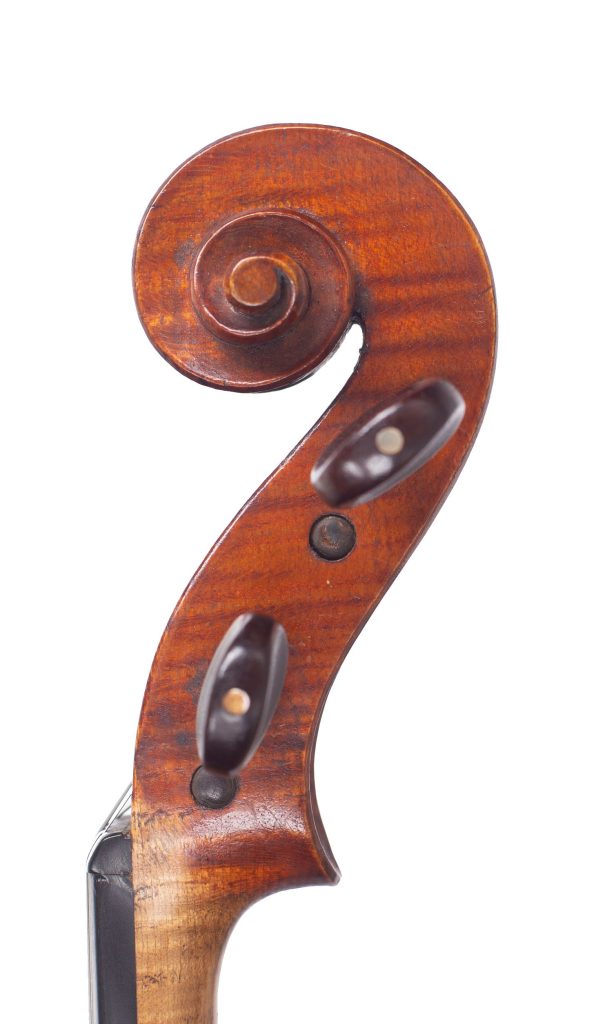
Instruments
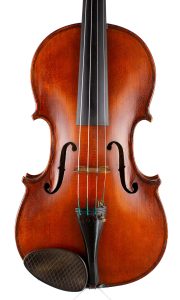
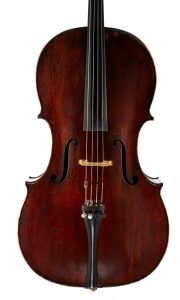
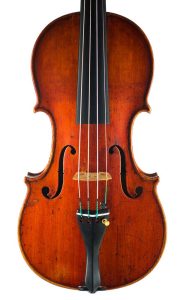
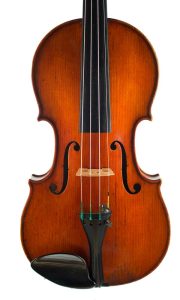
Auction Price History
Highest auction price
2 results
| Type | Details | Auction house | Sold | Price |
|---|---|---|---|---|
| Violin | Lot 286 | Bonhams | May 2014 | £625 |
| Cello | London, 1820 c. | — | November 2005 | £16,800 |
No results match those filters.
Maker Overview
Life
Charles (I) Harris (1780-1800) was a notable maker in London, active during the late 18th and early 19th centuries., he worked from 1780 to 1800. John Dilworth notes he worked circa 1810 in London and Steeple Aston, Oxfordshire, UK, and William Meredith Morris provides label dates of 1791 and 1826. He resided in Cannon Street Road, Ratcliffe Highway, with other labels indicating 69 Parsons Street, Ratcliff Highway, and later moving to Oxford around 1810 and Adderbury, Oxon. Originally, Harris was a Custom House officer, an occupation he maintained to support himself. This dual role brought him into contact with mercantile men, enabling him to secure commissions for the export trade. He was considered one of the best English makers of his time, with Pearce stating, as quoted by Lütgendorff, "His instruments are among the finest of the English." He was even referred to by his admirers as the englische Lupot (English Lupot). Despite his exceptional skill, he often sold his instruments unlabelled to the trade, a practice Morris describes as "foolishly sold his birthright for a mess of meat," thereby depriving himself of due credit.
Characteristics
- Varnish
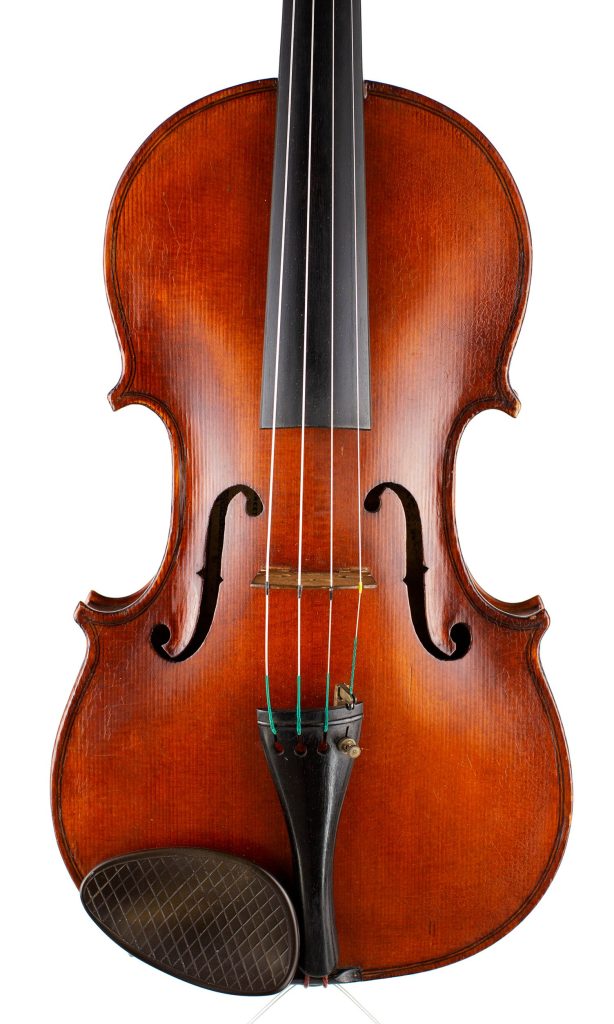
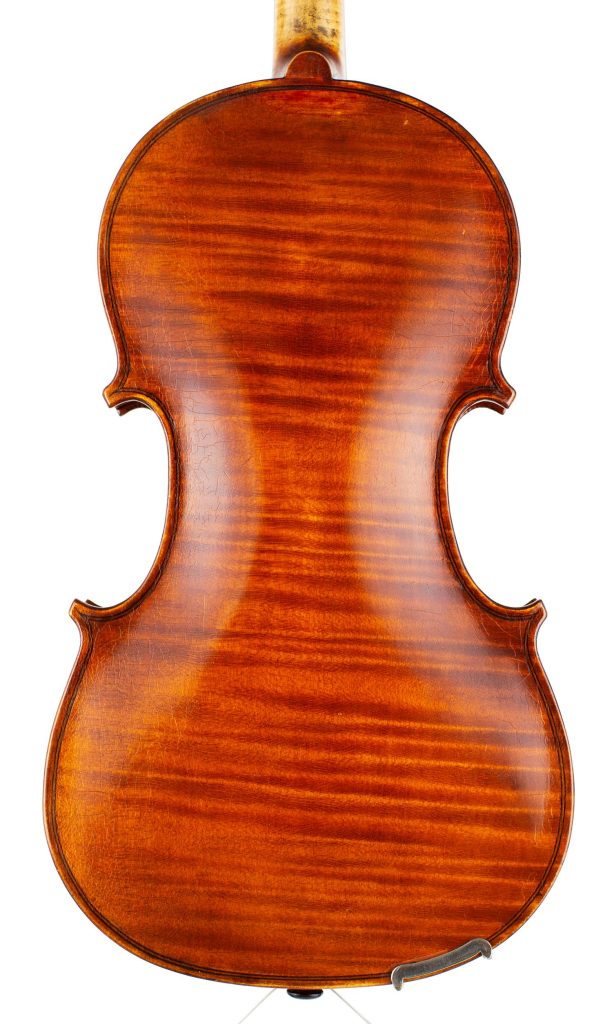
- Harris was noted for his excellent varnish, which often had a particular reddish tinge, described as golden-red by William Meredith Morris and dark amber on a magnificent viola. George Hart highlights the "fine quality of varnish" on his instruments.
- Patterns
- He copied the Stradivari and Amati patterns, with his Stradivari copies being particularly admired and, "not inferior to those of Lupot."
- Violoncellos
- His violoncellos were highly prized and eagerly bought during his lifetime.
- Workmanship
- George Hart notes the "exquisite finish" of his instruments. Morris describes a genuine Stradivari copy with "beautiful" workmanship and tone, featuring full proportions, a whole back with curl inclining to the right, fine pine with a "reed" of narrow and regular width, a masterfully carved scroll, and beautifully designed sound-holes (though "just a trifle wide, perhaps"). The margin was full, and the edges strong and nicely rounded, with a moderately pronounced ridge. The tone was described as round and mellow.
- Copying Method
- He faithfully copied the form of instruments without resorting to "deleterious means to indicate upon the surface of an instrument the ravages of time," focusing instead on the true form.
Influence and legacy
- Mentorship: Samuel Gilkes worked for Charles (I) Harris for some time and was taught by him, and John Dilworth.
- Reputation: Charles (I) Harris is recognized as one of the foremost English makers, with his instruments considered among the finest of his era.
- Esteem: His violoncellos were highly prized and eagerly sought after during his lifetime.
- Notable Instruments: A magnificent viola, illustrating work "thoroughly Italian in feeling," was the property of C. Close, Esq., of Dagmar Lodge, Leeds.
Biographies
The overview above is drawn from the following published accounts. Read them in the original:
John Dilworth+
HARRIS, Charles (I) Worked circa. 1810 London & Steeple Aston, Oxfordshire UK. Originally a customs official. Subsequently a violin maker for the London trade and teacher of Samuel Gilkes. Worked in Cannon Street Row, London; other labels state Ratcliff Highway or 69 Parsons Street, Ratcliff Highway. Moved to Oxford c.1810. Work signed internally. [BVMA]
George Hart+
This maker is known only to a few dealers, as he made chiefly for the wholesale merchants of his day. His name was rarely affixed to his instruments, but those thoroughly acquainted with his work agree in giving him a foremost place among the makers of this country. He was, like many other makers of that period, engaged in two occupations differing very much from each other, being at the same time a Custom-house officer and maker of Violins. The former circumstance brought him into contact with mercantile men, and enabled him to obtain commissions to make Violins for the export trade. His business in this direction so increased that he obtained the services of his relative, Samuel Gilkes, as his assistant. He copied chiefly Amati and Stradivari, the latter admirably. Many of these copies are not inferior to those of Lupot. He never aimed at producing a counterpart of the instrument that he copied by resorting to the use of deleterious means to indicate upon the surface of an instrument the ravages of time. He faithfully copied the form, and thus did what Lupot was doing at the same period. The exquisite finish of these instruments is remarkable, and as they are covered with a fine quality of varnish, they have every recommendation of appearance.
William Meredith Morris+
He worked in Cannon Street Road, Ratcliffe Highway. I have seen one undoubtedly genuine Stradivari copy of his make, which had a golden-red varnish of excellent quality, and bore his label. The workmanship and tone were beautiful, justifying his being placed, in my estimation, very high in the foremost rank of British makers. He foolishly sold his birthright for a mess of meat, i.e. he sold his instruments unlabelled to the trade, and thus robbed himself of the credit which he ought to have got for excellent work. His violoncellos were highly prized and eagerly bought in his lifetime. The Stradivari copy which I saw was of full proportions, with a whole back, and the curl inclining to the right. The pine was as fine as any I have ever seen, with a ” reed ” of narrow and regular width. The scroll was carved with a masterly hand, and the sound-holes beautifully designed, but just a trifle wide, perhaps. The margin was full, and the edges strong and nicely rounded, with a moderately pronounced ridge midway between the purfling and the extreme edge. The tone was round and mellow. The magnificent viola illustrated here is the property of C. Close, Esq., Dagmar Lodge, Leeds, and shows work which is thoroughly Italian in feeling. The varnish on this instrument is of a dark amber colour, very fine in quality. Labels : —
(1) CHARLES HARRIS, FECIT, IN CANNON STREET, LONDON, 1791
(2) MADE BY CHARLES HARRIS, ADDERBURY, OXON, 1826
Cecie Stainer+
A maker in London, 1780-1800; lived in Cannon Street Road, Ratcliffe Highway. He was a Custom House officer. He was one of the best English makers of his time, and was noted for his violoncellos and the excellent varnish that he used, of a particular reddish tinge. He copied the Stradivari and Amati patterns, but seldom labelled his instruments with his name. Samuel Gilkes worked for him for some time.
Willibald Leo Lütgendorff+
Ein Geigenmacher, der von seinen Bewunderern der »englische Lupot« gewurde.
Pearce sagt von ihm: »His instruments are among the finest of the
English.« Er copirte Stradivari und Amati und gebrauchte einen prachtvollen
röthlichen Lack, klebte aber nur selten Zettel ein. Besonders gelangen ihm
seine Violoncelli. Er wohnte Cannon Street Road, Ratcliffe Higway; eine Zeit
lang arbeitete Gilkes bei ihm. So trefflich er auch war, so scheint es ihm doch
nicht besonders gut gegangen zu sein, da er, um leben zu können, eine Stelle
als Hafen-Zollbeamter annehmen musste.
Sell your instrument with Amati
Get started by uploading photos of your instrument for our experts to review.
Sell your instrument with Amati
Get started by uploading photos of your instrument for our experts to review.