Auguste Sebastien Philippe Bernardel
Mirecourt, Paris, 1798–1870
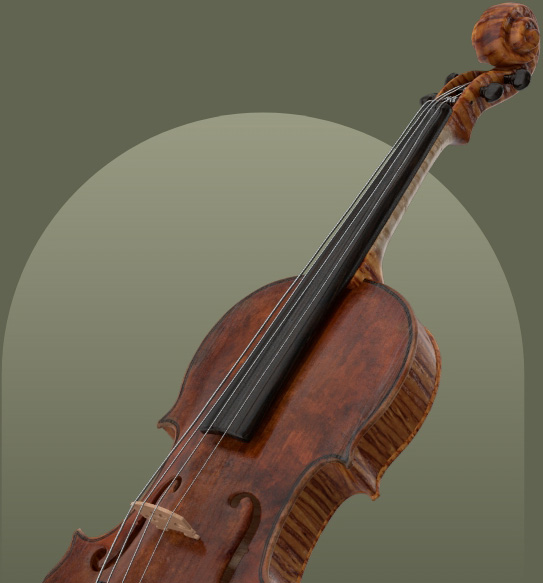
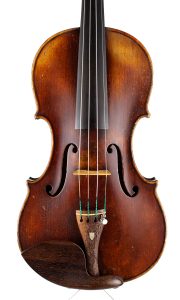
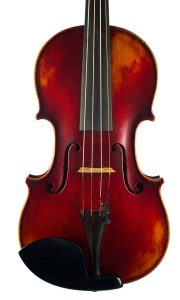
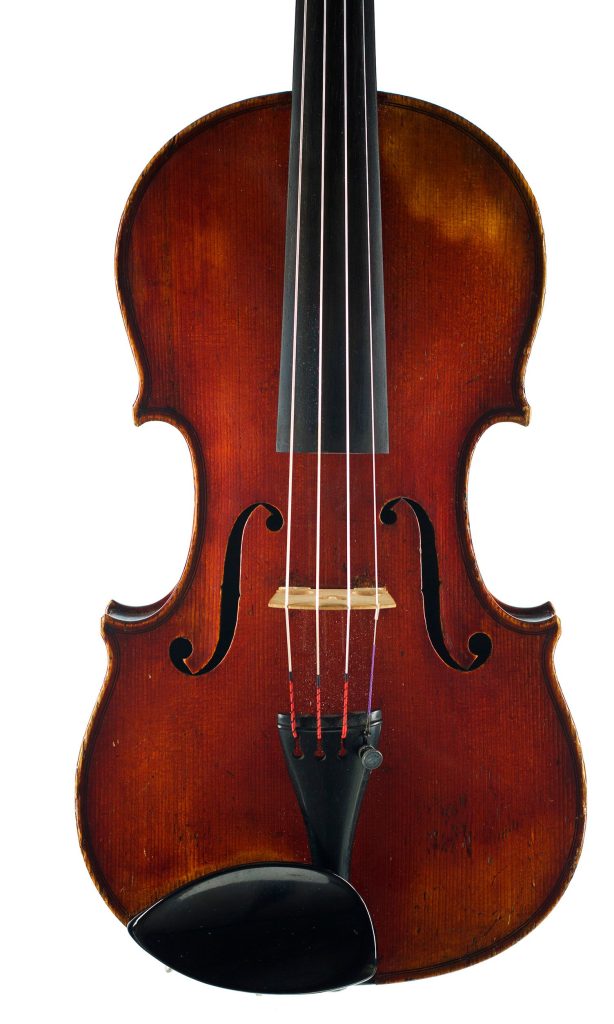
Auguste Sebastien Philippe Bernardel was a highly influential French luthier of the 19th century, known as 'Bernardel Père'. He apprenticed in Mirecourt and with Nicolas Lupot in Paris, establishing his own workshop in 1826. His firm, later Bernardel et Fils, produced excellent instruments, particularly successful cellos and sought-after double basses, using the finest materials and often employing antiqued finishes. He received numerous medals at exhibitions in Paris and London and is considered a worthy inheritor of Lupot's tradition, though sources contain conflicting dates regarding his birth and when his sons joined the business.
Request an expert valuation or learn how our global auctions achieve the highest prices for your instruments.
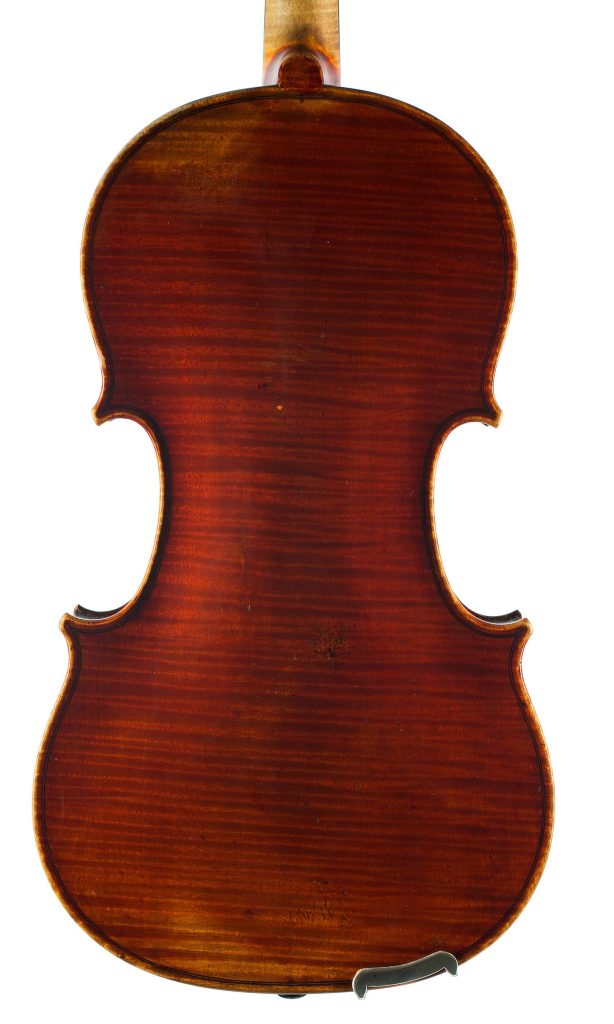
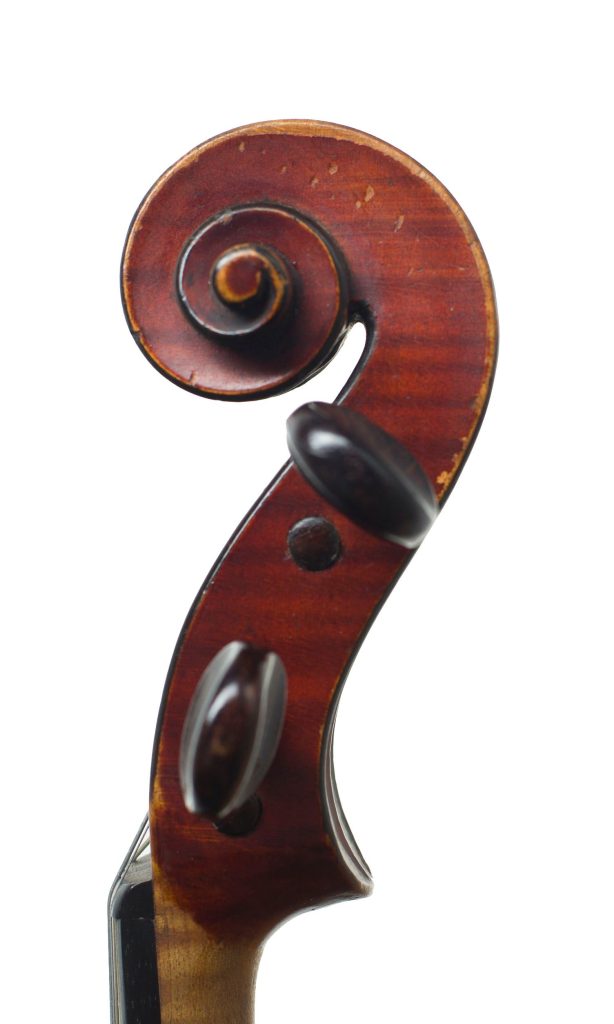
Instruments

Auction Price History
Highest auction price
120 results
| Type | Details | Auction house | Sold | Price |
|---|---|---|---|---|
| Violin | Labelled Fait pour l'exposition de Lorraine 1839, médaille de bronze à l'exposition de 1834, médaille ... Lot 89 | Tarisio | March 2026 | £33,000est. Estimate £ 25,000-40,000 |
| Violin | Labelled Bernardel luthier eleve de Lupot, Rue croix des Petits Champs no 23, à Paris 1837 Lot 180 | — | May 2025 | £18,393est. $ 25,000-40,000 |
| Violin | A violin by Auguste Sébastien Philippe Bernardel, Paris, circa 1830 Lot 205 | Amati | March 2025 | £10,112est. £ 8,000-12,000 |
| Violin | Unlabelled, inscribed to the inside Bernardel and Bernardel Luthier Rue Croix des Petits Champs No. ... Lot 87 | Tarisio | March 2025 | £27,140est. £ 25,000-40,000 |
| Violin | Labelled Bernardel, Luthier Eleve de Lupot Rue Croix des Petits Champs No. 23 a Paris 1837 ... Lot 191 | Tarisio | November 2024 | £23,172est. $ 25,000-40,000 |
| Violin | Labelled Medaille d'or et d'argent, aux expositions de 1844 et 1849, Bernardel luthier élève de Lupot ... Lot 158 | Tarisio | October 2024 | £18,058est. € 20.000-30.000 |
| Violin | Labelled Bernardel luthier eleve de Lupot, Rue croix des Petits Champs no 23, à Paris 1831 Lot 83 | Tarisio | October 2024 | £15,600est. £ 10,000-15,000 |
| Violin | Labelled (Bernardel Elève de) Lupot et Gand, rue des vieux Augustins 12° 8. à Paris, l'an 1828 Lot 155 | Ingles & H. | March 2024 | £36,000est. £ 22,000-28,000 |
| Violin | Labelled Bernardel, Luthier, ex-Ouvrier des Srs. Lupot et Gand, rue des vieux augustins no. 25, à ... Lot 35 | Ingles & H. | March 2024 | £9,600est. £ 8,000-12,000 |
| Violin | Labelled Bernardel, Luthier Elève de Lupot, Rue Croix des Petits Champs, No. 23, à Paris - 1832 Lot 63 | Ingles & H. | October 2023 | £26,400est. £ 20,000-30,000 |
| Violin | Bearing the maker's label and signature, two table cracks, minor lower rib cracks Lot 221 | — | June 2023 | £30,990est. € 25.000-30.000 |
| Violin | Fearured in The Strad, December 2005, pp. 72-73; inscribed Bernardel Luthier, Rue Croix des Petits ... Lot 17 | Ingles & Hayday | March 2023 | £36,000est. £ 12,000-18,000 |
| Violin | Guarneri del Gesù model, bearing the maker's label and signature, minor table sound post restoration Lot 270 | — | December 2022 | £27,850est. € 28.000-30.000 |
| Violin | Bearing the maker's label and signatures, good condition Lot 315 | — | December 2022 | £27,850est. € 22.000-25.000 |
| Cello | Maggini model, many ribs and table restorations includind bass bar crack, back edges near the neck worn Lot 110 | — | June 2022 | £52,830est. € 40.000-45.000 |
| Violin | Bearing the maker's label and signatures, table worm Lot 73 | — | June 2022 | £11,623est. € 8.000-10.000 |
| Violin | Bearing the maker's label and signature, good condition Lot 160 | — | June 2021 | £25,653est. € 20.000-25.000 |
| Violin | Labelled with Médaille d'Or et d'Argent aux Expositions de 1844 et 1849 Bernardel, Luthier, Elève de ... Lot 191 | — | June 2021 | £20,400est. £ 6,000-8,000 |
| Viola | Unlabelled Lot 101 | — | March 2021 | £14,400est. £ 12,000-18,000 |
| Violin | Bearing the maker's label and signature to the back, table sound post and bass bar cracks Lot 206 | — | December 2020 | £16,800est. € 15.000-20.000 |
| Violin | Labelled Medaille d'or et d'argent, aux expositions de 1844 et 1849, Bernardel luthier elève de Lupot ... Lot 149 | — | October 2020 | £20,400est. £ 20,000-30,000 |
| Violin | Labelled Bernardel, Luthier, Elève de Lupot, Rue Croix des Petits Champs, No. 23, à Paris. 1837 Lot 192 | — | October 2020 | £22,800est. £ 20,000-30,000 |
| Violin | Labelled Renaudin, later head and some ribs, many restorations, table varnish retouched Lot 2101 | — | September 2020 | £7,163 |
| Cello | Lot 107 | — | March 2020 | £74,241est. KRW 90-250m. |
| Violin | Bearing the original label dated 1862, signed internally Bernardel, excellent state of preservation Lot 300 | — | March 2020 | £22,800est. £ 20,000-25,000 |
| Cello | Labelled Bernardel Luthier Eleve de Lupot, Rue Croix des Petits Champs. No 23., À Paris 1831 Lot 28 | — | February 2020 | £88,039est. $ 80,000-120,000 |
| Violin | Labelled Medaille de Bronze à l'Exposition de 1834. Bernardel luthier Elève de Lupot, rue ..., head later Lot 178 | — | October 2019 | £16,800est. £ 12,000-18,000 |
| Violin | Bearing the original label Medaille obtenue a l'Exposition de 1834, Bernardel ..., very fine condition Lot 53 | — | October 2019 | £28,800est. £ 25,000-35,000 |
| Violin | Guarneri del Gesù model, labelled Guarneri, signed Bernardel to the back, restored table sound post crack Lot 210 | — | June 2019 | £25,508est. € 20.000-25.000 |
| Violin | Labelled Joseph Guarnerius 1738, manuscript signature, two-piece back of regular curl, good condition Lot 19 | — | May 2019 | £18,357est. € 15.000-18.000 |
| Violin | Labelled Bernardel luthier eleve de Lupot, Rue croix des Petits Champs no 23, a Paris 1841 Lot 213 | — | March 2019 | £36,000est. £ 20,000-30,000 |
| Cello | Labelled Bernardel Luthier Elève de Lupot, Rue Croix des Petits Champs No. 23 à Paris 1830 Lot 83 | — | March 2019 | £66,000est. £ 60,000-80,000 |
| Violin | Inscribed in the upper back Bern... ... Paris 1837 Lot 148 | — | October 2018 | £16,800est. £ 14,000-18,000 |
| Violin | Labelled Fait pour l'exposition de l'année 1839, médaille de Bronze à l'exposition de 1834, médaille ... Lot 165 | — | June 2018 | £45,000est. £ 20,000-30,000 |
| Violin | Bearing the maker's label and signature, table crack Lot 60 | — | June 2018 | £34,702est. € 15.000-20.000 |
| Violin | Labelled with signature Médaille d'or et d'argent aux Expositions de 1844 et 1849 Bernardel, Luthier ... Lot 103 | — | March 2018 | £20,400est. £ 18,000-25,000 |
| Violin | Labelled Médaille d'or et argent, aux expositions de 1844 et 1849, Bernardel luthier elève de Lupot ... Lot 148 | — | March 2018 | £5,700est. £ 7,000-10,000 |
| Violin | Labelled Gio: Paolo Maggini in Brescia. anno 1570, one small crack in ribs, minor repairs to scroll Lot 223 | — | March 2018 | £5,310est. £ 5,000-8,000 |
| Cello | Back sound post crack with patch, many table cracks, varnish blemish Lot 244 | — | December 2017 | £7,860est. € 10.000-12.000 |
| Cello | Table sound post crack, table cracks, ribs crack, back sound post crack Lot 249 | — | December 2017 | £17,966est. € 13.000-15.000 |
| Violin | Bearing the maker's signature, table edges restored, many restorations, table sound post crack, back worm Lot 124 | — | November 2017 | £26,400est. € 17.000-20.000 |
| Violin | Bearing the maker's signature to the back, some table restorations, table sound post crack, table worm Lot 272 | — | November 2017 | £8,448est. € 6.000-8.000 |
| Violin | Giovanni Paolo Maggini model, many table restorations, double purfling, in need of restoration Lot 94 | — | June 2017 | £4,272est. € 6.000-8.000 |
| Violin | Labelled Médaille de bronze a l'exposition de 1834, médaille d'argent de l'academie de l'industrie 1837 ... Lot 170 | — | March 2017 | £21,600est. £ 10,000-15,000 |
| Cello | Labelled Bernardel, Luthier, Elève de Lupot, Rue Croix des Petits Champs, 21 & 23, à Paris 1860 Lot 60 | — | February 2017 | £28,868est. $ 30,000-50,000 |
| Cello | Bearing the maker's label and signature internally, minor table sound post crack, minor restorations Lot 155 | — | December 2016 | £79,204est. € 60.000-80.000 |
| Violin | Maggini model, bearing the maker's signature to the back, labelled Maggini Lot 252 | — | December 2016 | £4,671est. € 5.000-7.000 |
| Violin | Bearing the maker's label, inscribed Réparé par ..., many table restorations, table sound post restoration Lot 455 | — | December 2016 | £14,216est. € 15.000-20.000 |
| Violin | Labelled Medaille d'or et d'argent, aux exposition de 1844 et 1849, Bernardel luthier eleve de Lupot ... Lot 180 | — | October 2016 | £25,200est. £ 15,000-22,000 |
| Violin | After Maggini, inscribed internally Bernardel 1829, further inscribed Bernardel, 27 Rue Croix des ... Lot 161 | — | March 2016 | £12,000est. £ 10,000-15,000 |
| Violin | Bearing the maker's signature to the back, some restorations, table sound post crack, back worm Lot 210 | — | December 2015 | £14,482est. € 12.000-15.000 |
| Viola | Bearing the maker's label and signature, table sound post crack Lot 160 | — | June 2015 | £7,007est. € 10.000-12.000 |
| Violin | Labelled G... Paolo Magini, Fecit Brixiae 16..., signed to back Bernardel Lot 173 | — | March 2015 | £4,800est. £ 5,000-8,000 |
| Cello | Labelled Medaille obtenu a l'Exposition de 1834, Bernardel, Luthier, Elève de Lupot, Rue Croix de ... Lot 98 | — | March 2015 | £70,664est. £ 65,000-80,000 |
| Violin | Bearing the maker's label and signature to the back, table sound post crack Lot 175 | — | December 2014 | £21,660est. € 20.000-25.000 |
| Cello | Unlabelled Lot 63 | — | October 2014 | £52,800est. £ 45,000-60,000 |
| Violin | Labelled Médaille d'or et d'Argent aux Expositions de 1844 et 1849, Bernardel, Luthier Eléve de Lupot ... Lot 160 | — | June 2014 | £21,240est. £ 15,000-22,000 |
| Violin | Made for the Universal Exposition, bearing the maker's label and signature internally, good condition Lot 168 | — | December 2013 | £27,871est. € 28.000-30.000 |
| Viola | Made for the Universal Exposition, bearing the maker's label and signature, table crack Lot 357 | — | December 2013 | £5,972est. € 4.000-5.000 |
| Violin | Bearing a facsimile label Bernardel luthier elève de Lupot rue Croix des Petits Champs, No 33 à Paris ... Lot 138 | — | May 2013 | £12,000est. £ 10,000-15,000 |
| Violin | Labelled Nicolaus Lupot Luthier rue Croix des petits-Champs, à Paris, l'an 1818, inscribed Rue Croix ... Lot 213 | — | November 2012 | £24,967est. $ 26,000-35,000 |
| Small Violoncello | Labelled Medailles D'Argent 1837 et 1844, Bernardel, Luthier Eleve du Lupot, Rue Croix des Petits ... Lot 153 | — | June 2012 | £4,560est. £ 4,000-6,000 |
| Cello | Labelled Bernardel, Luthier, Elève de Lupot, Rue Croix des Petits Champs No. 23 à Paris 184... Lot 68 | Sotheby’s | March 2012 | £49,250est. £ 35,000-50,000 |
| Cello | 75.7 cm Paris, 1846 | — | December 2011 | £68,691 |
| Cello | Paris, 1833 | — | December 2011 | £26,420 |
| Violin | 35.9 cm Paris, 1849 | — | December 2011 | £25,363 |
| Violin | 36.2 cm Paris, 1843 | — | June 2011 | £20,941 |
| Violin | 35.9 cm Paris, 1866 | — | March 2011 | £21,250 |
| Cello | 75.9 cm Paris, 1855 | — | December 2010 | £93,204 |
| Violin | 36.0 cm Paris, 1846 | — | October 2010 | £25,200 |
| Violin | 36.2 cm Paris, 1836 c. | — | April 2010 | £10,998 |
| Violin | 35.7 cm Paris, 1861 | — | March 2010 | £18,750 |
| Cello | 75.7 cm Paris, 1861 | — | October 2009 | £79,250 |
| Cello | 76.0 cm Paris, 1862 | — | June 2009 | £50,821 |
| Violin | 35.7 cm Paris, 1844 | — | December 2008 | £24,572 |
| Violin | 35.7 cm Paris, 1836 c. Attributed to & possibly by | — | May 2008 | £13,171 |
| Violin | 35.1 cm Paris, 1828 | — | March 2008 | £12,500 |
| Violin | 35.5 cm Paris, 1845, after "Guarneri" | — | March 2008 | £18,500 |
| Cello | 75.3 cm Paris, 1841 With Provenance | — | October 2007 | £60,500 |
| Viola | 38.7 cm Paris, 1837 | — | October 2007 | £12,500 |
| Violin | 36.0 cm France, 19th C. Attributed to | — | October 2007 | £6,875 |
| Violin | 36.3 cm Paris, 1858 | — | March 2007 | £8,625 |
| Cello | 75.3 cm Paris, 1833 | — | February 2007 | £50,400 |
| Violin | 36.0 cm Paris, 1845 c. | — | December 2006 | £9,587 |
| Violin | 35.9 cm Paris, 1840, | — | June 2006 | £25,092 |
| Violin | Paris, 1850 | — | November 2005 | £13,200 |
| Violin | Paris | — | June 2005 | £1,610 |
| Violin | Paris, 1865 | — | May 2005 | £18,567 |
| Violin | Paris, 1849 'Maggini' model | — | December 2004 | £2,930 |
| Cello | Fauldhouse, 1926 | — | March 2004 | £50,400 |
| Violin | Paris, 1850 c. Probably by | — | March 2004 | £9,000 |
| Violin | 1828 | — | November 2003 | £10,340 |
| Cello | 1859 | — | June 2003 | £30,965 |
| Cello | 1849 | — | May 2003 | £19,094 |
| Violin | 1855 | — | December 2002 | £15,134 |
| Violin | 1829 | — | November 2002 | £6,815 |
| Bass | 1841 | — | December 2001 | £6,147 |
| Violin | 1850 | — | June 2001 | £21,606 |
| Violin | 1855 | — | June 2001 | £15,035 |
| Cello | 1835 | — | May 2001 | £21,364 |
| Violin | 1897 | — | November 2000 | £15,400 |
| Violin | 1825 c. | — | November 2000 | £4,648 |
| Violin | 1901 | — | October 2000 | £9,664 |
| Violin | 1836 | — | June 2000 | £15,884 |
| Violin | 1864 | — | March 2000 | £20,700 |
| Violin | 1900 c. | — | November 1999 | £2,626 |
| Cello | 1849 | — | November 1998 | £36,700 |
| Violin | 1923 | — | June 1998 | £1,289 |
| Violin | 1827 | — | May 1998 | £11,994 |
| Violin | 1834 | — | November 1997 | £13,225 |
| Violin | 1894 | — | June 1996 | £1,610 |
| Violin | 1835 | — | March 1996 | £14,950 |
| Violin | 1850 c. | — | November 1995 | £16,100 |
| Violin | 1830 | — | June 1993 | £15,400 |
| Violin | 1849 | — | March 1992 | £6,050 |
| Violin | 1834 | — | April 1991 | £9,900 |
| Violin | 1839 | — | March 1991 | £6,050 |
| Violin | 1836 | — | November 1990 | £4,180 |
| Cello | 1849 | — | March 1989 | £35,200 |
| Cello | 18-- | — | November 1982 | £2,090 |
No results match those filters.
Maker Overview
Life
Auguste Sebastien Philippe Bernardel (1798-1870) was born in Mirecourt in 1798 and died in Bougival, France, in 1870. Cecie Stainer, however, states his birth year as January 12, 1802, and his death date as August 6, 1870. He was known as 'Bernardel Père'. He apprenticed in Mirecourt before joining Lupot in Paris around 1815, remaining there until 1824. Willibald Leo Lütgendorff and Cecie Stainer state he came to Paris in 1820. He briefly worked with Gand before opening his own shop in the capital in 1826 in the rue Coquillière. He later moved to rue Croix des Petits Champs, where Vuillaume was already established. Sources contain conflicting information regarding when his sons joined the firm: Dilworth states his sons Ernest (in 1840) and Gustave (around 1849) joined him, leading the firm to become known as Bernardel et Fils. Lütgendorff and Stainer, however, indicate he took his two sons into partnership in 1859, with Lütgendorff naming them Ernst August and Gustave Adolf. He retired in 1866 to Bougival, a town popular with the Impressionist painters at that time. Stainer notes that he retired to facilitate the association of the Gands in his business, which was then styled "Gand et Bernardel." He is considered one of the most important and influential French makers, eclipsed only by his teacher, Lupot, and his almost exact contemporary J. B. Vuillaume.
Characteristics
- Models
- He used Stradivari, Guarneri, and Brescian models. A violin copied from Maggini was exhibited in London in 1855.
- Materials
- His materials were always of the very finest quality. Lütgendorff notes he was a thorough connoisseur of wood, which he selected with the greatest care.
- Varnish
- His varnish is generally inferior to Vuillaume's and can be a slightly crude red color.
- Execution
- His violins by comparison seem a little heavy in execution.
- Specific Instruments
- Cellos modeled on the Stradivari 'Duport' cello are particularly successful, and his double basses are highly sought-after. Stainer notes his violoncellos especially had a remarkably fine tone. Lütgendorff mentions that on the London Exhibition 1851, his work was compared to Forster's, though his cello was said to have a nasal tone, but he surpassed all English masters in tone beauty.
- Technique
- He was a pioneer of 'antiqued' copies of individual classical instruments with artificially shaded varnish, along with Vuillaume and Betts in England.
- Bernardel, luthier
ex-ouvrier du Lupot
rue Coquillière, No. 44 à Paris
l’an 1826John Dilworth - Bernardel, Luthier Élève de Lupot
Aux Croix des Petits Champs No. 23
à Paris 1835John Dilworth - Medaille d’or et d’argent
aux Expositions de 1844 et 1849
Bernardel, Luthier Élève de Lupot
rue Croix des Petits Champs, 21.
à Paris. 1855John Dilworth
Influence and legacy
- Teacher: He was a pupil of Lupot.
- Tradition: He was a worthy inheritor of Lupot's tradition and craftsmanship.
- Colleagues: He briefly worked with C. F. Gand.
- Awards: He received a mention in 1827; bronze medals in Paris in 1834 and 1839; a silver medal in Paris in 1844 for an alto; a gold medal in Paris in 1849; a medal of the 2nd class in London in 1851; and a medal of the 1st class in London in 1855 for a violin copied from Maggini, a bass, and a double-bass.
- Firm Continuity: The firm became known as Bernardel et Fils when his sons joined. After his retirement, the business was styled "Gand et Bernardel" to facilitate the association of the Gands.
Further Information
- Addresses: His workshops were located at rue Coquillière, No. 44; rue Croix des Petits Champs, No. 23; and rue Croix des Petits Champs, 21 in Paris.
- Labels: Examples of his labels include "Bernardel, luthier / ex-ouvrier du Lupot / rue Coquillière, No. 44 à Paris / l’an 1826"; "Bernardel, Luthier Élève de Lupot / Aux Croix des Petits Champs No. 23 / à Paris 1835"; and "Medaille d’or et d’argent / aux Expositions de 1844 et 1849 / Bernardel, Luthier Élève de Lupot / rue Croix des Petits Champs, 21. / à Paris. 1855." A printed label also read: "Medaille d'or et d'argent aux expositions de 1844 et 1849. Bernardel, luthier, eleve de Lupot, rue Croix-des-Petits Champs, 21, a Paris, 18— . . . (Signed) Bernardel."
Biographies
The overview above is drawn from the following published accounts. Read them in the original:
John Dilworth+
BERNARDEL, Auguste Sebastien Philippe Born 1798 Mirecourt, died 1870 Bougival France. Known as ‘Bernardel Père’. Apprenticed in Mirecourt before joining Lupot in Paris c.1815. Remained there until 1824; briefly worked with Gand before opening his own shop in the capital in 1826 in the rue Coquillière. Later moved to rue Croix des Petits Champs, where Vuillaume was already established. Joined by his sons Ernest (in 1840) and Gustave (c.1849), the firm became known as Bernardel et Fils. Retired in 1866 to Bougival, a town popular with the Impressionist painters at that time. One of the most important and influential French makers, eclipsed only by his teacher, Lupot, and his almost exact contemporary, J. B. Vuillaume. Worthy inheritor of Lupot’s tradition and craftsmanship, and along with Vuillaume and Betts in England, a pioneer of ‘antiqued’ copies of individual classical instruments with artificially shaded varnish. His varnish is generally inferior to Vuillaume’s, and can be a slightly crude red colour, and his violins by comparison seem a little heavy in execution. Materials always of the very finest quality. Stradivari, Guarneri and Brescian models. Cellos modelled on the Stradivari ‘Duport’ cello are particularly successful, and double basses highly sought-after. Bernardel, luthier / ex-ouvrier du Lupot / rue Coquillière, No. 44 à Paris / l’an 1826 Bernardel, Luthier Élève de Lupot / Aux Croix des Petits Champs No. 23 / à Paris 1835 Medaille d’or et d’argent / aux Expositions de 1844 et 1849 / Bernardel, Luthier Élève de Lupot / rue Croix des Petits Champs, 21. / à Paris. 1855
Cecie Stainer+
b. Jan. 12, 1802, at Mirecourt; d. August 6, 1870, at Bougival. One of the most distinguished French makers. He began as an apprentice in Mirecourt, went to Paris in 1820, worked first under Nicolas Lupot and then under C. F. Gand, whom he left in 1826 in order to start a business of his own in the rue Coquilliere.
In 1859 he took his two sons into partnership and the firm was called ‘ Bernardel et fils’ ; he retired in 1866 so as to facilitate the association of the Gands in his business, which was then styled ” Gand et Bernardel.” He made a large number of excellent instruments, the violoncellos especially having a remarkably fine tone.
This was in a violin made by him soon after he left Gand, perhaps the first to contain his signature; it is beautifully finished and has a fine tone.
Printed label: ” Medaille d’or et d’argent aux expositions de 1844 et 1849. Bernardel, luthier, eleve de Lupot, rue Croix-des-Petits Champs, 21, a Paris, 18— . . . (Signed) Bernardel.”
Honours : mention, 1827 ; bronze medal, Paris, 1834 and 1839; silver medal, Paris, 1844, for an alto placed in the 1st class; gold medal, Paris, 1849; a medal of the 2nd class, London, 1851; and a medal of the 1st class, London, 1855, for a violin copied from Maggini, a bass, and a double-bass.
Willibald Leo Lütgendorff+
Nachdem er in seiner Heimath ausgelernt hatte, kam er 1820 nach Paris
und trat bei N. Lupot und später bei Gand père als Gehilfe ein. Er gründete
1826 sein Geschäft in der Rue Coquillière No. 44 und arbeitete bis 1859 allein.
Dann nahm er seine beiden Söhne als Theilhaber der Firma auf und arbeitete aber noch bis 1866 fleissig weiter. Einer der geschicktesten französischen
Geigenmacher des 19. Jahrhunderts und gründlicher Kenner des Holzes, das er mit
grösster Sorgfalt auswählte. Auf der Londoner Ausstellung 1851 stellte man
seine Arbeit den Forster’schen gleich, wenn auch sein Cello einen näselnden
Ton gehabt haben soll, aber es unterliegt keinem Zweifel, dass er gerade, was
Tonschönheit anbelangt, alle englischen Meister übertraf. 1859 verband er sich,
wie schon bemerkt, mit seinen Söhnen Ernst August und Gustave Adolf zu der
Firma »Bernadel et fils« und zog sich 1866 vom Geschäft zurück.
Sell your instrument with Amati
Get started by uploading photos of your instrument for our experts to review.
Sell your instrument with Amati
Get started by uploading photos of your instrument for our experts to review.