Alfred Walker Heaps
Leeds, 1854–1906
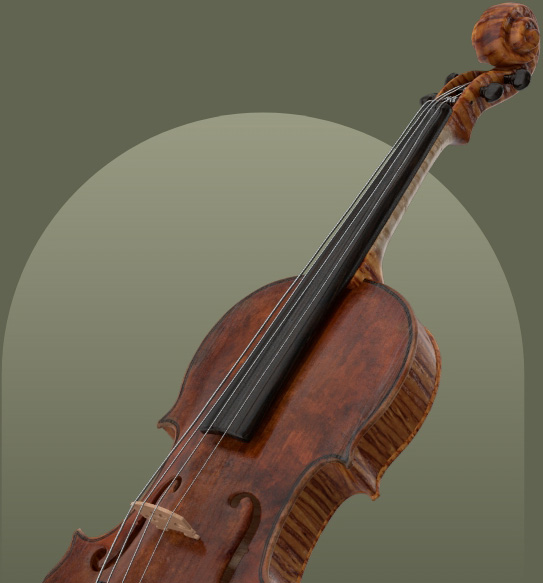
Alfred Walker Heaps (1854-1906) was a distinguished violin maker born in Leeds, UK, and active primarily in Sydney, Australia. Apprenticed to Handel Pickard and influenced by his father, John Knowles Heaps, he became known for his excellent workmanship and fine oil varnish. He emigrated to Australia in 1874, eventually becoming a full-time luthier from 1885. Heaps was celebrated for his meticulous repairs and the high quality of his instruments, which were crafted from carefully selected, aged materials. He received a prize medal and certificate at the 1875 Leeds Exhibition alongside his father and intended for his son to continue his legacy.
Auction Price History
Highest auction price
1 results
| Type | Details | Auction house | Sold | Price |
|---|---|---|---|---|
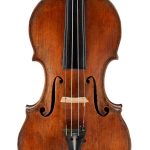
| Labelled Alfred Walker Heaps, 1896, signed to the back bellow the button Lot 64 | — | May 2013 | £4,624est. $ 6,000-9,000 |
No results match those filters.
Maker Overview
Life
Alfred Walker Heaps (1854-1906) was born in January 1854 in Leeds, Yorkshire, UK, the son of John Knowles Heaps. He commenced studying the violin at an early age under Mr. Whittaker of Leeds, and later continued his studies under the late George Haddock. He was apprenticed to Handel Pickard (also referred to as Picard) of Leeds in 1869, remaining with him until the end of 1874. Following his apprenticeship, he worked in his father's workshop for over two years. Alfred Walker Heaps emigrated to Australia in 1874, and by 1876, he was the manager of a music warehouse in Sydney, New South Wales, or the musical department of a wholesale house. His business as a violin maker and repairer increased to such an extent that he became a full-time violin maker from 1885. He died in 1906 in Sydney, Australia.
Characteristics
- Workmanship
- Alfred Walker Heaps produced instruments of excellent workmanship, which, along with their tone, ranked in the first class.
- Materials
- He used only the best materials, possessing a fine stock of sycamore, some preserved since about 1828. For bellies, he had a large stock of pine, including a quantity exhibited as music wood at the Great Exhibition in London and purchased from Messrs. Beinhardt and Son of Bohemia. He also kept portions of all material used by his father to match for renovations.
- Models
- He followed his father's model, reduced to 14 inches. He maintained records of the dimensions and thicknesses of all instruments made by his father or himself, as well as valuable ones that passed through his hands for repairs, enabling him to produce new instruments after any model upon request.
- Varnish
- His instruments featured a fine oil varnish, available in various colours.
- Heaps
SydneyJohn Dilworth
Influence and legacy
- Musical Training: He studied the violin under Mr. Whittaker of Leeds and later under the late George Haddock.
- Apprenticeship: He was apprenticed to Handel Pickard (Picard) of Leeds from 1869 to 1874.
- Family Workshop: After his apprenticeship, he worked in his father's workshop, John Knowles Heaps, and later adopted his father's instrument model.
- Awards: In 1875, he and his father exhibited a quartette of instruments at the Leeds Exhibition, for which they were awarded a prize medal and certificate.
- Notable Instruments: A violoncello made by Heaps in 1891 was commissioned by the late Mr. Edgar Straus and served as his solo instrument during his residency in Sydney.
- Reputation: His skill as a repairer became favourably known throughout Australia and New Zealand, despite never advertising. He executed important repairs for Ovid Musin during Musin's artistic tour in Sydney.
- Family Continuity: He intended for his son to follow the profession and planned to bequeath his extensive stock of wood to him.
Further Information
- Workshop Location: Sydney, New South Wales, Australia.
- Pricing: Violins were sold for £20 to £25 each, and violoncellos from £35 to £42.
- Label: According to William Meredith Morris, a copy of his label had not come to hand at the time of writing.
Biographies
The overview above is drawn from the following published accounts. Read them in the original:
John Dilworth+
HEAPS, Alfred Walker Born 1854 Leeds, Yorkshire UK, died 1906 Sydney Australia. Worked for Picard of Leeds. Emigrated to Australia 1874. Manager of a music warehouse in Sydney, New South Wales 1876. Full time violin maker from 1885. Fine oil varnish. Heaps / Sydney
William Meredith Morris+
He is the son of the late John Knowles Heaps, of Leeds, and was born in January 1854. He commenced to study the violin at an early age, under Mr. Whittaker, of Leeds, and later he continued his studies under the late George Haddock. He made rapid progress and gave fair promise to become one of the leading English violinists, but the love of violin construction very early outgrew the love of violin music. He was apprenticed to Handel Pickard, Leeds, in 1869, with whom he remained until the end of 1874, after which time he was for over two years in his father’s workshop. In 1875, he, along with his father, exhibited a quartette of instruments at the Leeds Exhibition, for which a prize medal and certificate were awarded. During the time he was with his father he made several instruments which were of excellent workmanship.
Shortly after this period Mr. Heaps accepted an appointment in Sydney as manager of the musical department of a wholesale house. After remaining with this firm for a time his business as a violin-maker and repairer increased to such an extent that he found it necessary to devote the whole of his time to the profession. During the latter part of his apprenticeship with Pickard, and previous to leaving Leeds to go to Sydney, he had many very valuable instruments entrusted to him for repairs, and his neat workmanship soon gained him a reputation in this particular branch of the profession. Since he went to Sydney his skill as a repairer has become favourably known throughout the whole of Australia and New Zealand, although he never advertises.
During the past fourteen or fifteen years he has made many violins, which have been sold for £20 to £25 each, violoncellos from £35 to £42. One of the latter was made to the order of the late Mr. Edgar Straus in 1891, and was used by him as his solo instrument during the whole of the time he was resident in Sydney. Mr. Heaps executed some important repairs for Ovid Musin when the latter was on an artistic tour in Sydney some few years ago.
In the manufacture of all his instruments he uses only the best material. He has in his possession a fine stock of sycamore, some of which has been preserved since about 1828, Of pine for bellies he also possesses a large stock, including a quantity which was exhibited as music wood at the great Exhibition in London, and purchased from Messrs. Beinhardt and Son, of Bohemia. (See Official Catalogue, Class x. No. 510.) He also keeps portions of all the material used by his father in the manufacture of instruments made during his life — which embraces various textures of wood — so that whatever instrument comes to him for renovation, he has no difficulty in matching the material. Mr. Heaps boasts of possessing a stock of wood large enough to suffice him for making violins as long as he lives, but he still continues to purchase as opportunity offers, to keep up his stock, so that at his demise he may be able to bequeath to his son (who is intended to follow the profession) whatever may be then unused.
He follows his father’s model, reduced to 14 inches. He keeps a record of the dimensions and thicknesses of all instruments made by his father or himself, and also of any valuable ones which pass through his hands for repairs, so that he is able to produce, when requested, new instruments after any model. His varnish is an oil one, of various colours. His instruments, both as regards tone and workmanship, rank in the first class.
Up to the time of writing, a copy of his label has not come to hand.
Sell your instrument with Amati
Get started by uploading photos of your instrument for our experts to review.
Sell your instrument with Amati
Get started by uploading photos of your instrument for our experts to review.