Charles Cramond
Aberdeen, worked 1800–1845
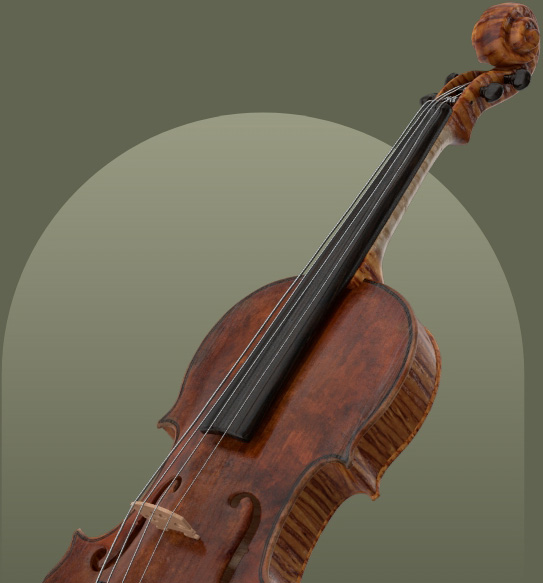
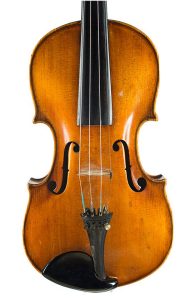
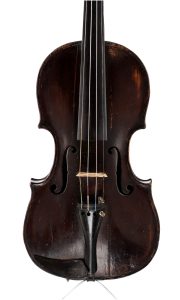
Charles Cramond was a prolific violin maker who worked in Aberdeen, Scotland, from approximately 1800 to 1834, and later in Saint John, New Brunswick, Canada, until around 1845. Trained by Joseph Ruddiman, he took over Ruddiman's business in 1810. Cramond's instruments, often in the London Stainer style, featured distinctive elements like a small volute on a swan-necked, fluted pegbox and soundholes set close to the edges. While his red-brown spirit varnish was generally of good quality, some instruments suffered from being made too thin in wood. He used both printed labels and a brand stamp, 'Cramond Aberdeen'.
Request an expert valuation or learn how our global auctions achieve the highest prices for your instruments.
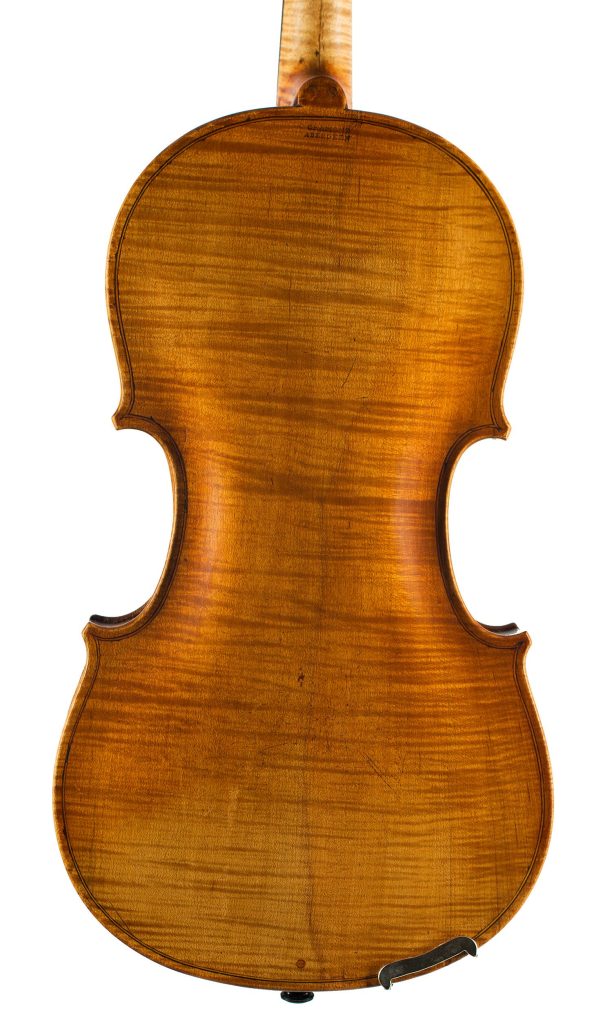
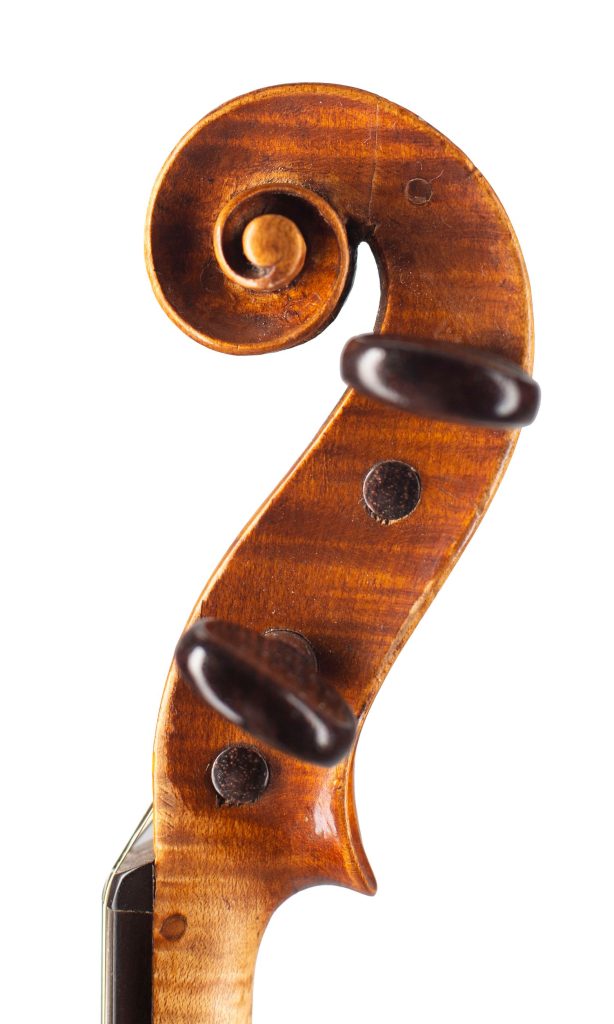
Instruments
Auction Price History
Highest auction price
10 results
| Type | Details | Auction house | Sold | Price |
|---|---|---|---|---|
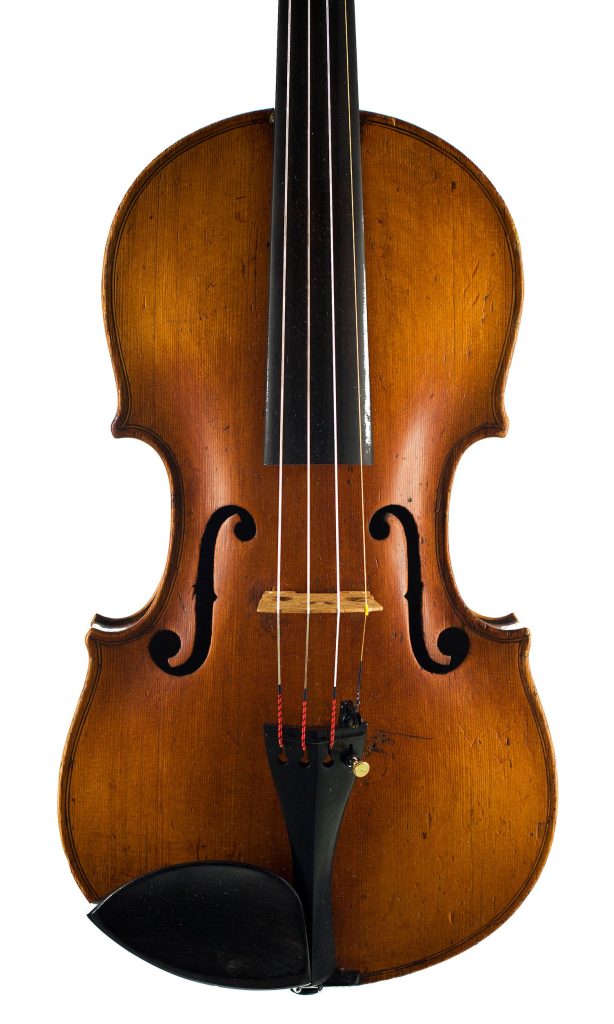
| Violin | A violin by Charles Cramond, Aberdeen, 1820 Lot 68 | Amati | October 2020 | £1,201est. £ 400-800 |
| Violin | Lot 65 | Bonhams | October 2011 | £1,125 |
| Violin | 35.5 cm Aberdeen, 1830 | — | October 2011 | £1,125 |
| Violin | 36.0 cm Aberdeen, 1820 c. | — | May 2008 | £602 |
| Violin | 1830 | — | June 2001 | £805 |
| Violin | 1820 c. | — | November 2000 | £690 |
| Violin | 1820 c. | — | October 1997 | £437 |
| Cello | 1819 | — | June 1989 | £880 |
| Violin | 1800-45 | — | April 1985 | £110 |
| Violin | 1800-45 | — | June 1984 | £272 |
No results match those filters.
Maker Overview
Life
Charles Cramond (circa 1800-1845) worked in Aberdeen, Scotland, UK, and later in St. John, New Brunswick, Canada. He was trained by Joseph Ruddiman and assumed Ruddiman's business in 1810, operating from 27 Netherkirkgate, Aberdeen. Evidence of this early collaboration includes one violin jointly labelled by Ruddiman and Cramond. In 1826, Cramond relocated his workshop to 32 Yeats Court in Aberdeen. Sources contain conflicting information regarding his emigration; in The Brompton's Book of Violin & Bow Makers, he emigrated to Saint John, New Brunswick, Canada, in 1834, leaving his Aberdeen shop to Thomas Jamieson. However, Willibald Leo Lütgendorff's Die Geigen- und Lautenmacher vom Mittelalter bis zur Gegenwart states he emigrated to St. John, Neu-Schottland (New Scotland, referring to New Brunswick), in 1843. Cecie Stainer's A Dictionary of Violin Makers notes his activity in Aberdeen between approximately 1821 and 1834. Lütgendorff also mentions that Cramond came from the plough and was an extremely diligent violin maker, completing a violin every week for years. After emigrating, he made gunstocks in St. John.
Characteristics
- General Style
- Charles Cramond was a prolific maker, generally working in the London Stainer style, though William Meredith Morris in British Violin Makers notes he also worked on an original model.
- Arching
- His plates were rather highly arched, and his cellos were flatter-arched.
- Volute & Pegbox
- He employed a distinctive small volute atop a swan-necked pegbox with fluted sides.
- Soundholes
- His soundholes were set close to the edges of the instrument.
- Purfling
- Cellos were frequently unpurfled.
- Wood Quality
- The wood used was usually of good quality, though sometimes it could be poor and plain in figure.
- Varnish
- Dilworth describes his varnish as red-brown and of good quality. Morris characterizes it as a spirit varnish, hard and dry, but thinly laid on, with colors ranging from dark yellow to dark brown. Lütgendorff noted that his violins were not bad unless he made them too thin in wood and varnished them poorly.
- Tone
- The tone of his instruments is described as not overly strong, but clear, sweet, and penetrating.
- Construction Flaws
- Many of his instruments were left too thin in wood, which, caused them not to improve with age and use.
- Chas. Crammond
Maker
Aberdeen, 1819John Dilworth
Influence and legacy
- Training: Charles Cramond received his training from Joseph Ruddiman.
Further Information
- Branding: Instruments were branded on the upper back with 'Cramond Aberdeen'.
- Labels: Dilworth notes a printed label reading: "Chas. Crammond / Maker / Aberdeen, 1819". Morris provides a label example: "CHAS. CRAMOND, MAKER, ABERDEEN, 1815". Lütgendorff states that his labels often lacked a year and that he also used a brand stamp "Cramond, Aberdeen".
- Workshop Locations: He worked at 27 Netherkirkgate, Aberdeen, and later at 32 Yeats Court, Aberdeen, before emigrating to Saint John, New Brunswick, Canada.
Biographies
The overview above is drawn from the following published accounts. Read them in the original:
John Dilworth+
CRAMOND, Charles Worked circa. 1800-1845 Aberdeen, Scotland UK & St. John, New Brunswick Canada Trained by Joseph Ruddiman, assuming his business in 1810 at 27 Netherkirkgate, Aberdeen. One violin jointly labelled by Ruddiman and Cramond. Moved in 1826 to 32 Yeats Court. Emigrated to Saint John, New Brunswick, Canada in 1834, leaving the shop to Thomas Jamieson. A prolific maker generally in the London Stainer style, but with a distinctive small volute atop a swan-necked pegbox with fluted sides. Soundholes set close to the edges. Cellos flatter-arched and frequently unpurfled. Red-brown varnish of good quality. Branded on upper back: ‘Cramond Aberdeen’. Printed label: Chas. Crammond / Maker / Aberdeen, 1819
William Meredith Morris+
A prolific maker, much of whose work is of considerable merit. He worked on an original model, with plates rather highly arched. The wood is usually of good quality, though some- times poor and plain in figure. The varnish is a spirit one, hard and dry, but thinly laid on. Colour : dark yellow to dark brown. The tone is not over strong, but it is clear, sweet, and penetrating. He left many of his instruments too thin in wood, and these have not improved with age and use. Label : —
CHAS. CRAMOND, MAKER, ABERDEEN, 1815
Cecie Stainer+
A maker in Aberdeen about 1821-34.
Willibald Leo Lütgendorff+
Er kam vom Pfluge her nach Aberdeen und war ein äusserst fleissiger Geigenmacher,
der Jahre lang jede Woche eine Geige fertig brachte. Seine Geigen waren nicht schlecht, wenn er sie nicht zu dünn im Holz gemacht und zu schlecht lackirt hatte. Auf seinen Zetteln fehlt meistens die Jahreszahl; er gebrauchte auch einen Brandstempel »Cramond, Aberdeen«. Im Jahre 1843 wanderte er nach St. John in Neu-Schottland aus und machte dort Gewehrschafte.
Sell your instrument with Amati
Get started by uploading photos of your instrument for our experts to review.
Sell your instrument with Amati
Get started by uploading photos of your instrument for our experts to review.