Giovanni Rota
Cremona, b. 1767
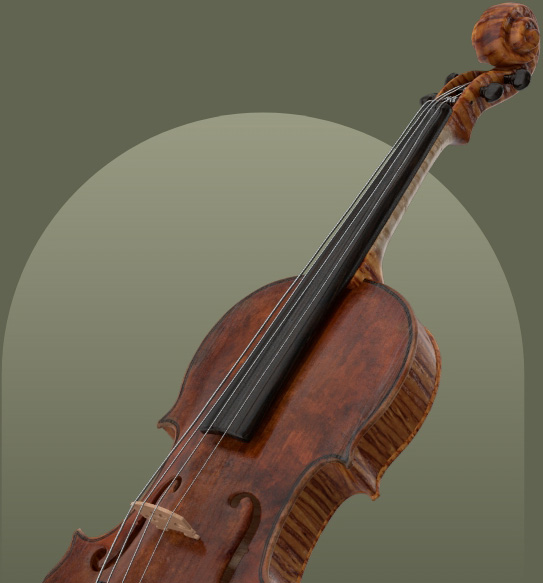
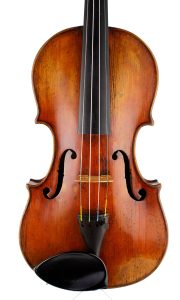
Giovanni ROTA (1767-before 1829) was an Italian violin maker who trained with L. Storioni from 1787 to 1791. He worked in both Cremona and Mantua, with his last known period in Cremona being 1808-1809. His instruments, which include violas and cellos, often feature a large full-arched model, broad purfling, and Stradivari-like soundholes. The scroll is described as large and somewhat clumsy, reminiscent of Rogeri. Sources contain conflicting information regarding the overall quality of his workmanship, purfling, wood, and varnish, with some describing it as striking and careful, while others note it as rough or common.
Request an expert valuation or learn how our global auctions achieve the highest prices for your instruments.
Auction Price History
Highest auction price
4 results
| Type | Details | Auction house | Sold | Price |
|---|---|---|---|---|
| Violin | 35.6 cm Cremona, 1800 c. | — | December 2011 | £31,200 |
| Violin | 35.6 cm Cremona, 1809 | — | November 2008 | £126,900 |
| Violin | 35.0 cm Cremona, 1800 c. | — | October 2006 | £12,873 |
| Viola | 41.3 cm 1809 | — | June 1983 | £25,300 |
No results match those filters.
Maker Overview
Life
Giovanni ROTA (1767-before 1829) was born in 1767 in Cremona, Italy, and died before 1829 in Mantua, Italy. He was apprenticed to L. Storioni from 1787 to 1791. Rota appears to have divided his time between Cremona and Mantua, with his last period in Cremona, as indicated by labels, being 1808-1809. He may have hoped to succeed to the business of Tommaso Balestrieri in Mantua, whose known working period ended in 1791. Sources contain conflicting information regarding historical assumptions; for instance, Vidal's presumed date of 1705 is noted as incorrect, with 1805 being the correct year.
Characteristics
- Workmanship
- Sources contain conflicting information regarding Giovanni ROTA's workmanship. John Dilworth describes his work as "Very striking" on a "large full-arched model," while Cecie Stainer notes "rather rough work" and Henri Poidras describes it as "Common work." Karel Jalovec, however, states "Very careful workmanship." Willibald Leo Lütgendorff indicates his work "shows clearly the decline of art in Cremona," describing his violins as "roh gearbeitet" (roughly made), and George Hart refers to "heavy work."
- Purfling
- John Dilworth notes "Broad purfling," whereas Cecie Stainer states the "purfling is careless," Willibald Leo Lütgendorff mentions "die Einlage liederlich gemacht" (the inlay carelessly made), and George Hart describes "rough purfling."
- Edges
- His instruments feature "Edges flat but well-managed."
- Soundholes
- Giovanni ROTA crafted "Large well-positioned Stradivari-like soundholes."
- Scroll
- The scroll is described as "large and a little clumsy, recalling Rogeri, with a flat undercut, small chamfer, and very restricted throat."
- Backs
- He "Often used one-piece backs of distinctive broad swirling grain, some showing marks of worm infestation in the log."
- Varnish
- Sources contain conflicting information regarding the varnish. John Dilworth describes "Fine pale golden-brown varnish," while Cecie Stainer notes a "yellow colour." Henri Poidras mentions "Dark yellow varnish," Karel Jalovec states he "applied a fat yellow-brown or red varnish," Willibald Leo Lütgendorff refers to "der gelbe Lack unscheinbar" (the yellow varnish inconspicuous), and George Hart simply states "Yellow varnish."
- Wood
- Cecie Stainer notes the "wood not particularly handsome," Willibald Leo Lütgendorff describes "das Holz unschön" (the wood unsightly), and George Hart mentions "plain wood."
- Known Instruments
- "Some small violas and cellos known."
- Labels
- Examples of his labels include "Joannes Rota fecit / Mantuae anno 1793," "Joannes Rota fecit / Cremone anno 1798," "Joannes Rota fecit / Mantuae anno 1803," "Joannes Rota fecit / Cremone anno 1805," and "Joannes Rota fecit / Cremone anno 1808."
- Joannes Rota fecit
Mantuae anno 1793John Dilworth - Joannes Rota fecit
Cremone anno 1798John Dilworth - Joannes Rota fecit
Mantuae anno 1803John Dilworth - Joannes Rota fecit
Cremone anno 1805John Dilworth - Joannes Rota fecit
Cremone anno 1808John Dilworth
Influence and legacy
- Mentorship: Giovanni ROTA was apprenticed to L. Storioni from 1787 to 1791.
- Stylistic Influence: His scroll design is noted as "recalling Rogeri."
Further Information
- Working Locations: Giovanni ROTA divided his time between Cremona and Mantua.
- Working Period: Instruments were built between 1795 and 1810.
- Valuation: Karel Jalovec notes a price of "15.000 Kc. and more" for his instruments.
Biographies
The overview above is drawn from the following published accounts. Read them in the original:
John Dilworth+
ROTA, Giovanni Born 1767 Cremona, d. before 1829 Mantua Italy. Apprenticed to L. Storioni 1787-1791. He appears to have divided his time between Cremona and Mantua. His last period in Cremona, as indicated by labels, would have been 1808-1809. He may well have been hoping to succeed to the business of Tommaso Balestrieri in Mantua, whose known working period ended in 1791. Very striking work on a large full-arched model. Broad purfling. Edges flat but well-managed. Large well-positioned Stradivari-like soundholes. The scroll is also large and a little clumsy, recalling Rogeri, with a flat undercut, small chamfer, and very restricted throat. Often used one-piece backs of distinctive broad swirling grain, some showing marks of worm infestation in the log. Fine pale golden-brown varnish. Some small violas and cellos known. Joannes Rota fecit / Mantuae anno 1793 Joannes Rota fecit / Cremone anno 1798 Joannes Rota fecit / Mantuae anno 1803 Joannes Rota fecit / Cremone anno 1805 Joannes Rota fecit / Cremone anno 1808 [Gindin]
Cecie Stainer+
A maker in Cremona about 1800-10. His instruments show rather rough work, the purfling is careless, the wood not particularly handsome, the varnish is a yellow colour. Label: “Joannes Rota fecit Cremonae, anno 1808.”
George Hart+
Yellow varnish, plain wood, heavy work, rough purfling.
Willibald Leo Lütgendorff+
Seine Arbeit zeigt deutlich den Verfall der Kunst in Cremona. Seine Geigen sind roh gearbeitet, die Einlage liederlich gemacht, das Holz unschön, der gelbe Lack unscheinbar. Vidal vermuthet 1705, was aber falsch ist; es muss 1805 heissen.
Henri Poidras+
Dark yellow varnish. Common work.
Karel Jalovec+
Instruments built between 1795 — 1810. Very careful workmanship. He applied a fat yellow-brown or red varnish. Price 15.000 Kc. and more.
Sell your instrument with Amati
Get started by uploading photos of your instrument for our experts to review.
Sell your instrument with Amati
Get started by uploading photos of your instrument for our experts to review.