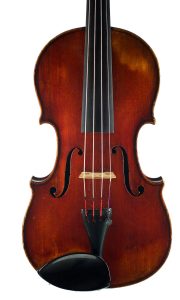
Jean-Baptiste Vuillaume
Paris, Paris mid, 1798–1875
Second son of Claude François (IV), above. Undoubtedly the most successful French luthier, entrepreneur, inventor, and connoisseur. — John Dilworth
Request an expert valuation or learn how our global auctions achieve the highest prices for your instruments.
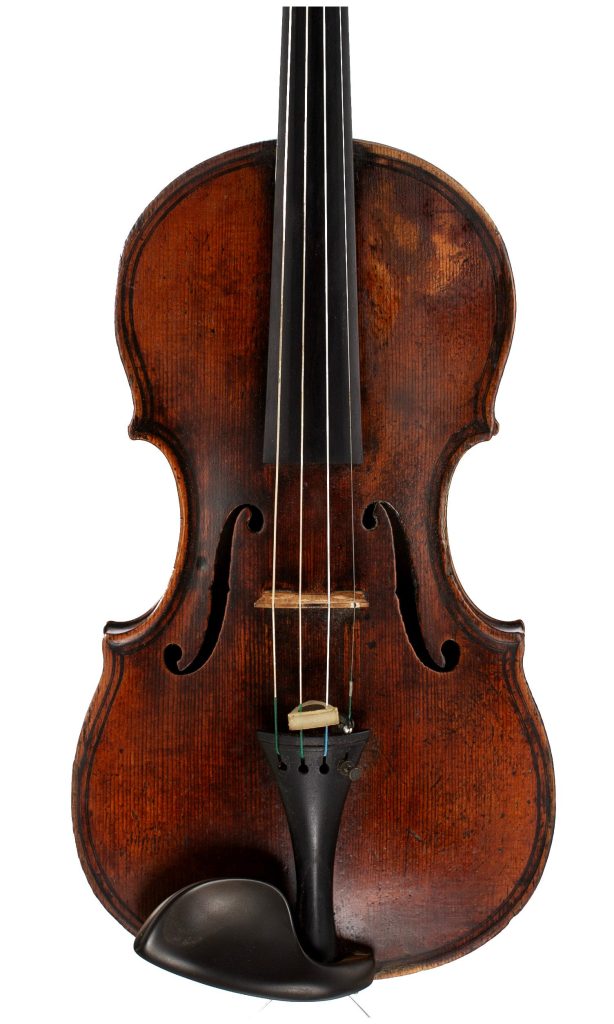
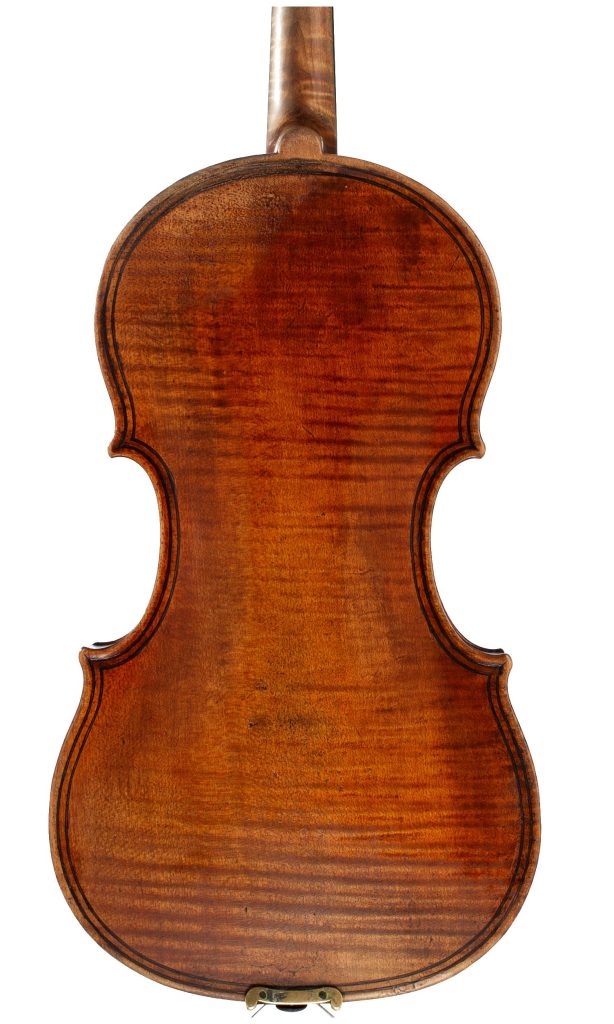
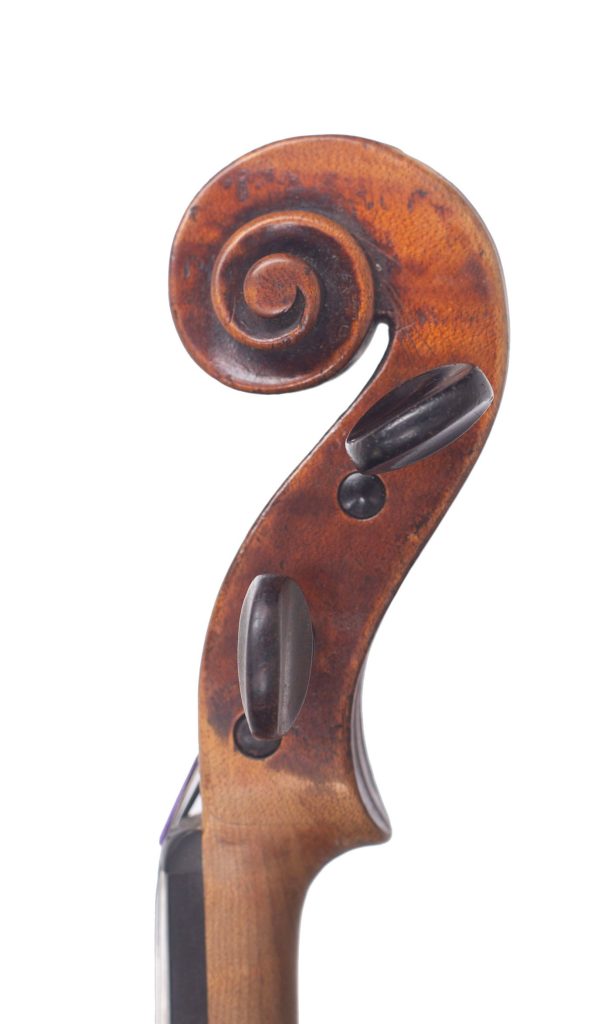
Instruments
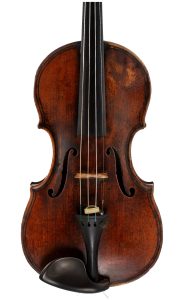
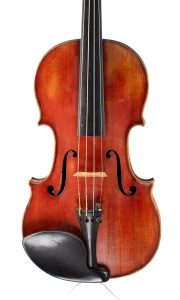
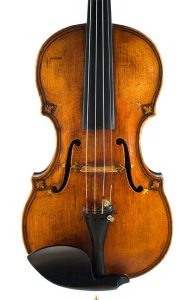
Auction Price History
Highest auction price
476 results
| Type | Details | Auction house | Sold | Price |
|---|---|---|---|---|
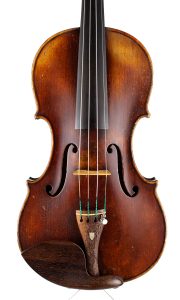
| Violin | Labelled Jean Baptiste Vuillaume à Paris Rue Croix des Petits Champs, branded to the inside Vuillaume Lot 132 | Tarisio | March 2026 | £176,708est. Estimate $ 200,000-300,000 |
| Violin | Guarneri del Gesù model, numbered 1661 Lot 52 | Aguttes | March 2026 | £68,260 |
| Violin | Labelled Jean Baptiste Vuillaume à Paris Rue Croix des Petits Champs, inscribed to the inside back 2532 Lot 208 | Tarisio | November 2025 | £135,793est. $ 180,000-250,000 |
| Violin | Labelled Jean Baptiste Vuillaume à Paris, 3 rue ..., varnished later probably by J. Hel or P. Bailly Lot 64 | Ingles & Hayday | October 2025 | £84,000est. £ 80,000-120,000 |
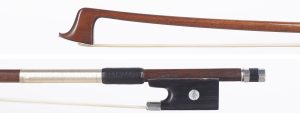
| Violin Bow | Silver mounted, round stick stamped Vuillaume à Paris, later ebony frog with pearl eye Lot 186 | Ingles & Hayday | October 2025 | £4,200est. £ 4,000-6,000 |
| Violin Bow | nickel mounted, round stick stamped Vuillaume à Paris and Brevet d'Invention Lot 77 | Ingles & Hayday | October 2025 | £1,920est. £ 1,800-2,500 |
| Violin | This violin most likely left Vuillaume's workshop in the white and was varnished at a slightly later date Lot 101 | Tarisio | September 2025 | £100,405est. € 100.000-150.000 |
| Violin | Guarneri del Gesù model, bearing the maker's label n. 2870 and brands to the table Lot 75 | Vichy | June 2025 | £185,200est. € 100.000-120.000 |
| Cello | Labelled Jean Baptiste Vuillaume à Paris Rue Croix des Petits Champs 1842, inscribed to the back 1491 Lot 16 | Tarisio | March 2025 | £182,279est. $ 250,000-400,000 |
| Violin | Labelled Jean Baptiste Vuillaume à Paris, Rue Croix des Petits Champs, signed to the inside back Lot 130 | Tarisio | March 2025 | £182,279est. $ 200,000-300,000 |
| Viola | Back with geometrical floral purfled inlay, varnish of a brown colour, double purfling, excellent condition Lot 136 | Gardiner | March 2025 | £73,200est. £ 60,000-80,000 |
| Cello | Labelled Jean Baptiste Vuillaume à Paris, Rue Croix des Petits Champs, inscribed to the inside 2051 Lot 20 | Tarisio | March 2025 | £330,000est. £ 250,000-400,000 |
| Violin | Labelled Jean Baptiste Vuillaume à Paris, 3 rue Demours - Ternes Lot 159 | Tarisio | October 2024 | £32,604est. € 25.000-40.000 |
| Violin | Labelled Jean Baptiste Vuillaume à Paris, 3, Rue Demours-Ternes, signed, inscribed 74, original neck Lot 172 | Tarisio | October 2024 | £160,512est. € 180.000-250.000 |
| Cello | Labelled Antonius Stradivarius Cremonensis Faciebat Anno 1728 Lot 89 | Ingles & H. | October 2024 | £132,000est. £ 80,000-120,000 |
| Violin | Bearing the maker's brands to the table and back, numbered 2831, in excellent and playing condition Lot 41 | Aguttes | June 2024 | £186,852est. € 120.000-160.000 |
| Violin Bow | Silver mounted, metallic stick, head blemish, otherwise very good condition Lot 733 | Laurent | June 2024 | £1,171est. € 1.200-1.500 |
| Cello Bow | Silver mounted, unhaired and unlapping, handle and head blemishes, frog and handle wear, frog crack Lot 741 | Laurent | June 2024 | £7,408est. € 3.000-4.000 |
| Cello | Bearing the maker's label and brand, back and head cracks, table and back worm Lot 125 | Laurent | June 2024 | £87,218est. € 60.000-80.000 |
| Violin | Labelled Jean Baptiste Vuillaume a Paris Rue Croix des Petits Champs Lot 148 | Tarisio | May 2024 | £179,047est. $ 180,000-250,000 |
| Violin | A violin by Jean-Baptiste Vuillaume, Paris, circa 1845 Lot 97 | Amati | March 2024 | £56,880est. £ 20,000-30,000 |
| Violin | Illustrated in An Exhibition of the Work of J.B. Vuillaume by Sotheby's, London 2012, pp. 12-13 Lot 44 | Ingles & H. | March 2024 | £240,000est. £ 160,000-220,000 |
| Violin | Labelled Jean Baptiste Vuillaume à Paris Rue Croix des Petits Champs, branded to the inside Vuillaume Lot 117 | Tarisio | March 2024 | £178,183est. $ 150,000-220,000 |
| Violin | Giuseppe Guarneri del Gesù copy, original label and brands Lot 1 | Piguet | March 2024 | £133,605est. CHF 60,000-80,000 |
| Cello | Labelled Jean Baptiste Vuillaume à Paris, 3 rue Demours Ternes. JBV., numbered 2420, branded Lot 83 | Ingles & H. | March 2024 | £420,000est. £ 200,000-300,000 |
| Violin | Bearing the maker's label and signature n. 1560 Lot 75 | Vichy | November 2023 | £151,363est. € 60.000-80.000 |
| Violin | Labelled Jean Baptiste Vuillaume à Paris Rue Croix des Petits Champs Lot 197 | Tarisio | November 2023 | £190,384est. $ 200,000-300,000 |
| Violin | Labelled Jean Baptiste Vuillaume à Paris, Rue Croix des Petits Champs, signed and dated 46 to the back Lot 62 | Tarisio | October 2023 | £141,600est. £ 120,000-180,000 |
| Violin | Labelled Jean Baptiste Vuillaume à Paris, 3, rue Demours-Ternes, varnished after his death Lot 302 | Ingles & Hayday | October 2023 | £168,000est. £ 60,000-80,000 |
| Violin | Violin, 1843 I. Zenaty Lot 103 | Tarisio | June 2023 | £142,295est. $ 150,000-220,000 |
| Violin Bow | Rosenberg collection, round stick stamped Vuillaume à Paris Lot 167 | Ingles & Hayday | June 2023 | £4,800est. £ 1,000-1,500 |
| Cello | Illustrated in Jean Baptiste Vuillaume et sa Famille by Sylvette Milliot, pp. 455-456 Lot 12 | Tarisio | June 2023 | £282,893est. € 250.000-400.000 |
| Violin | Labelled Jean Baptiste Vuillaume à Paris, Rue Croix des Petits Champs, signed and inscribed 2078 Lot 120 | Tarisio | March 2023 | £265,890est. € 180.000-250.000 |
| Violin | Labelled Jean Baptiste Vuillaume à Paris, 3, rue Demours-Ternes JBV, numbered 2787 internally Lot 95 | Ingles & Hayday | March 2023 | £204,000est. £ 150,000-200,000 |
| Cello | Labelled Jean-Baptiste Vuillaume a Paris 3, rue Demours-Ternes, branded to the inside table Vuillaume Lot 12 | Tarisio | March 2023 | £348,130est. $ 250,000-400,000 |
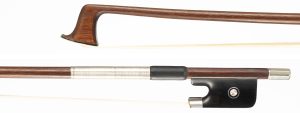
| Cello Bow | round stick stamped Vuillaume à Paris and Brevet d'Invention, plain ebony frog Lot 57 | Ingles & Hayday | March 2023 | £2,640est. £ 1,000-1,500 |
| Cello | Jean Michel Moulin collection Lot 125 | Vichy | December 2022 | £214,227est. € 200.000-250.000 |
| Violin | Copy of the 1715 Alard Stradivari, labelled Jean Baptiste Vuillaume à Paris Rue Croix Des Petit Champs Lot 151 | Tarisio | October 2022 | £240,628est. € 180.000-250.000 |
| Violin | Unlabelled, branded to the inside top and back Vuillaume Lot 28 | Tarisio | October 2022 | £165,200est. £ 120,000-180,000 |
| Violin | Belonged to Amédée Soil, bearing the maker's label, original half edge on the back Lot 125 | Vichy | June 2022 | £213,432est. € 100.000-120.000 |
| Violin | Labelled Jean Baptiste Vuillaume à Paris Rue Croix des Petits Champs, faintly branded Vuillaume Lot 133 | Tarisio | June 2022 | £169,219est. $ 180,000-250,000 |
| Violin | Labelled Jean Baptiste Vuillaume à Paris, Rue Croix des Petits Champs JBV, numbered 1688 internally Lot 61 | Ingles & Hayday | March 2022 | £180,000est. £ 150,000-200,000 |
| Violin | Labelled Antonius Stradivarius Cremonensis faciebat anno 1717, inscribed J. B. Vuillaume 1685 Lot 181 | Tarisio | November 2021 | £177,871est. $ 150,000-220,000 |
| Violin | Inscribed J.B. Vuillaume, No. 60, Paris 1827 internally on the back Lot 200 | Ingles & Hayday | November 2021 | £168,000est. £ 100,000-150,000 |
| Violin | Labelled Jean Baptiste Vuillaume à Paris 3. rue Demours-Terne, signed and dated in the back Lot 26 | Ingles & Hayday | November 2021 | £156,000est. £ 110,000-160,000 |
| Cello | Labelled Jean Baptiste Vuillaume à Paris, Rue Croix des Petits Champs, signed and numbered 1615 Lot 15 | Tarisio | October 2021 | £179,639est. € 180.000-250.000 |
| Violin | After Stradivari, decorated back, labelled Fait à Paris par J.B. Vuillaume pour A. Lvoff l'an 1840, signed Lot 29 | Ingles & Hayday | June 2021 | £384,000est. £ 180,000-250,000 |
| Violin | Labelled Jean Baptiste Vuillaume à Paris 3. rue Demours-Ternes Lot 163 | Ingles & Hayday | June 2021 | £168,001est. £ 120,000-180,000 |
| Violin | Bearing the maker's label and brands to the table Lot 275 | Vichy | June 2021 | £143,232est. € 100.000-120.000 |
| Violin | Labelled J.B. Vuillaume, No. 123, Rue Croix-des-Petits-Champs, à Paris an 1828 JBV Lot 179 | Ingles & Hayday | June 2021 | £78,000est. £ 60,000-80,000 |
| Violin | Labelled Jean Baptiste Vuillaume à Paris, Rue Croix des Petits Champs Lot 157 | Tarisio | June 2021 | £70,800est. £ 40,000-60,000 |
| Violin | Copy of the 1716 Messiah Stradivari, labelled Jean Baptiste Vuillaume à Paris, 3. rue Demours - Ternes Lot 87 | Tarisio | March 2021 | £191,827est. $ 150,000-200,000 |
| Viola Bow | Nickel mounted, metallic stick, frog and button of the Maire school, later ferrule, thin lapping Lot 131 | Vichy | December 2020 | £2,240est. € 2.000-3.000 |
| Violin | Guarneri del Gesù model, bearing the maker's label n. 2073 Lot 175 | Vichy | December 2020 | £181,435est. € 120.000-130.000 |
| Violin | Maggini model, labelled Maggini Lot 375 | Vichy | December 2020 | £27,999est. € 20.000-25.000 |
| Violin Bow | Silver mounted, metallic stick Lot 248 | Vichy | December 2020 | £3,360est. € 3.000-4.000 |
| Violin | Guarneri del Gesù model, labelled Jean Baptiste Vuillaume à Paris, 3, Rue Demours - Ternes, JBV, 1873 Lot 177 | Tarisio | November 2020 | £117,791est. $ 120,000-180,000 |
| Violin | After the Cannon Guarneri, labelled Jean-Baptiste Vuillaume à Paris, 3, rue Demours-Ternes JBV Lot 28 | Ingles & Hayday | October 2020 | £312,000est. £ 150,000-200,000 |
| Violin Bow | Bernard Millant collection, illustrated in L'Archet tome II p. 77 n. 6, metallic stick Lot 284 | Vichy | November 2019 | £2,875est. € 3.000-4.000 |
| Violin | Bernard Millant collection, bearing the maker's label and brand to the back, n. 1537 Lot 304 | Vichy | November 2019 | £102,685est. € 80.000-90.000 |
| Violin | Bernard Millant collection, bearing the maker's label Lot 306 | Vichy | November 2019 | £72,906est. € 70.000-80.000 |
| Violin | Bearing the maker's label Lot 125 | Vichy | November 2019 | £121,033est. € 80.000-100.000 |
| Cello | Labelled Jean Baptiste Vuillaume à Paris, Rue Croix des Petits Champs Lot 27 | Tarisio | October 2019 | £350,000est. £ 150,000-220,000 |
| Violin | Guarneri del Gesù model, bearing a facsimile label Jean Baptiste Vuillaume à Paris, Rue Croix des ... Lot 218 | Tarisio | October 2019 | £140,600est. £ 120,000-180,000 |
| Violin | Labelled Jean Baptiste Vuillaume à Paris, Rue Croix des Petits Champs Lot 26 | Ingles & Hayday | October 2019 | £156,000est. £ 100,000-150,000 |
| Violin | Labelled Jean Baptiste Vuillaume à Paris Rue Croix des Petits Champs, signed in the upper treble bout Lot 189 | Ingles & Hayday | October 2019 | £180,000est. £ 120,000-170,000 |
| Violin | A violin by Jean-Baptiste Vuillaume, Paris, circa 1840 Lot 80 | Amati | June 2019 | £22,752est. £ 12,000-15,000 |
| Violin | Labelled Jean Baptiste Vuillaume a Paris, rue Croix des Petits Champs Lot 201 | Tarisio | May 2019 | £200,750est. $ 200,000-300,000 |
| Violin | Labelled Jean Baptiste Vuillaume à Paris 3. rue Demours-Ternes Lot 36 | Ingles & Hayday | March 2019 | £156,000est. £ 100,000-150,000 |
| Violin | Decorated violin after the Youssoupoff Nicolò Amati, labelled Nicolaus Amati Cremonae, Hieronymus ... Lot 120 | Ingles & Hayday | March 2019 | £84,000est. £ 25,000-40,000 |
| Violin | Labelled Jean-Baptiste Vuillaume à Paris, 3, rue Demours-Ternes JBV, inscribed on the label 1867 Lot 238 | Ingles & Hayday | March 2019 | £156,000est. £ 150,000-200,000 |
| Violin | labelled Jean Baptiste Vuillaume à Paris, 3 rue ... Lot 150 | Tarisio | February 2019 | £18,814est. $ 30,000-50,000 |
| Violin | Millant collection, bearing a maker's label Lot 180 | Vichy | December 2018 | £254,344est. € 120.000-150.000 |
| Violin | Millant collection, bearing the maker's label n. 1882, initialed Lot 193 | Vichy | December 2018 | £154,818est. € 80.000-100.000 |
| Violin | Violin, 1840-45 c. Lot 225 | Vichy | December 2018 | £74,826est. € 70.000-80.000 |
| Violin | Labelled Giovan Paolo Magini, Brescia 16..., branded to the inside back Vuillaume, inscribed Lot 246 | Tarisio | November 2018 | £24,701est. $ 30,000-50,000 |
| Violin | Labelled Jean Baptiste Vuillaume à Paris, 3 rue Demours-Ternes Lot 27 | Ingles & Hayday | October 2018 | £108,000est. £ 80,000-120,000 |
| Violin | Unlabelled, à Paris l'an 1845 Lot 227 | Tarisio | October 2018 | £94,400est. £ 80,000-120,000 |
| Violin | Lot 1 | Brompton's | July 2018 | £90 |
| Violin | Unlabelled, signed to the inside back and top J. B. Vuillaume, no 149, Paris 1829 Lot 167 | Tarisio | June 2018 | £24,000est. £ 20,000-30,000 |
| Violin | Maggini model, labelled Maggini Lot 360 | Vichy | June 2018 | £19,980est. € 10.000-15.000 |
| Violin | After Guarneri, labelled Jean Baptiste Vuillaume à Paris, 3 rue Demours-Ternes 1868 Lot 25 | Ingles & Hayday | March 2018 | £180,000est. £ 100,000-150,000 |
| Violin | Labelled Jean Baptiste Vuillaume à Paris, 3 rue ..., varnished later, probably by Joseph Hel or Paul Bailly Lot 148 | Ingles & Hayday | March 2018 | £72,000est. £ 60,000-80,000 |
| Violin | Bernard Millant collection, previously in the Eugène Ysaye collection, Guarneri del Gesù model Lot 47 | Vichy | November 2017 | £274,560est. € 80.000-100.000 |
| Violin | After Maggini, labelled Jean Baptiste Vuillaume a Paris, Rue Croix des Petits Champs, modified outline Lot 68 | Brompton’s | October 2017 | £66,000est. £ 60,000-100,000 |
| Cello | Labelled Jean Baptiste Vuillaume à Paris, Rue Croix des Petits Champs Lot 73 | Tarisio | May 2017 | £251,422est. $ 250,000-400,000 |
| Violin | Labelled Jean Baptiste Vuillaume à Paris, 3. Rue Demours-Ternes, signed to the inside back Lot 224 | Tarisio | May 2017 | £109,123est. $ 120,000-180,000 |
| Violin | Labelled Jean Baptiste Vuillaume à Paris, 3 rue Demours-Ternes, signed to the inside back Lot 226 | Tarisio | May 2017 | £123,303est. $ 150,000-220,000 |
| Violin | Labelled Antonius Stradivarius Cremonensis, faciebat anno 1717 Lot 187 | Tarisio | March 2017 | £143,000est. £ 110,000-150,000 |
| Violin | Labelled Jean Baptiste Vuillaume a Paris Rue Croix des Petits Champs, signed internally Lot 101 | Brompton’s | March 2017 | £150,000est. £ 130,000-160,000 |
| Violin | Labelled Jean Baptiste Vuillaume à Paris, Rue Croix des Petits Champs Lot 204 | Tarisio | February 2017 | £170,320est. $ 180,000-250,000 |
| Violin Bow | Silver mounted, signed, frog by Joseph Henry, later ferrule Lot 228 | Vichy | December 2016 | £5,077est. € 5.000-6.000 |
| Violin | Labelled Jean Baptiste Vuillaume à Paris, 3 rue Demours-Ternes, inscribed in pencil 1826, signed Lot 186 | Tarisio | October 2016 | £66,000est. £ 50,000-80,000 |
| Violin | Labelled Giovan Paolo Magini, Brescia 16, branded to the inside back Vuillaume Lot 238 | Tarisio | October 2016 | £29,045est. $ 30,000-50,000 |
| Violin | Labelled Jean Baptiste Vuillaume a Paris, Rue Croix des Petits Champs, inscribed J.B. Vuillaume, N. ... Lot 173 | Tarisio | May 2016 | £35,306est. $ 30,000-50,000 |
| Violin | Labelled Jean Baptiste Vuillaume à Paris Rue des Croix des Petits Champs, signed and dated 1845 Lot 180 | Tarisio | May 2016 | £103,841est. $ 150,000-220,000 |
| Cello Bow | Silver mounted, round stick stamped J.B. VUILLAUME, without tip Lot 194 | Skinners | May 2016 | £4,633est. $ 5,000-6,000 |
| Violin | Labelled Jean Baptiste Vuillaume à Paris, Rue Croix des Petits Champs, signed and dated internally Lot 108 | Ingles & Hayday | March 2016 | £144,000est. £ 80,000-120,000 |
| Cello | Sold by Vuillaume in the 1840s without a serial number or signature, both have been added later Lot 126 | Ingles & Hayday | March 2016 | £144,000est. £ 140,000-180,000 |
| Quartet | Literature: J.B. Vuillaume, Sa Vie et Son Oeuvre; Violons, Vuillaume; S. Milliot, Jean-Baptiste Vuillaume Lot 177 | Ingles & Hayday | March 2016 | £960,000est. £ 600,000-800,000 |
| Violin | Bearing the maker's label n. 2841 and brand to the table and back Lot 225 | Vichy | December 2015 | £110,744est. € 80.000-100.000 |
| Violin | Labelled Jean Baptiste Vuillaume à Paris, Rue Croix des Petits Champs, inscribed to the inside back 170 Lot 182 | Tarisio | November 2015 | £94,400est. £ 70,000-100,000 |
| Violin | After Maggini, labelled Jean Baptiste Vuillaume ***, Rue Croix des Petits Champs *** Lot 124 | Ingles & Hayday | November 2015 | £24,000est. £ 18,000-25,000 |
| Viola | Labelled Jean Bapriste Vuillaume a Paris / rue Croix des Petits Champs, bearing the number 1650 Lot 89 | Freeman's | November 2015 | £97,463est. $ 120,000-150,000 |
| Cello | Labelled Jean-Baptiste Vuillaume ... Lot 60 | Tarisio | October 2015 | £110,212est. $ 150,000-220,000 |
| Violin | Labelled Jean-Baptiste Vuillaume à Paris, 3, rue Demours-Ternes, branded and signed to the inside back Lot 251 | Tarisio | October 2015 | £103,729est. $ 150,000-220,000 |
| Violin | Bearing the maker's label Lot 165 | Vichy | June 2015 | £43,794est. € 30.000-40.000 |
| Violin Bow | Metallic stick, silver mounted Lot 236 | Vichy | June 2015 | £1,401est. € 1.500-2.000 |
| Violin | After Amati, bearing the original label Jean Baptiste Vuillaume à Paris, 3 rue Demours-Ternes 1867 Lot 573 | Brompton’s | June 2015 | £78,000est. £ 80,000-120,000 |
| Violin | Labelled Jean Baptiste Vuillaume ..., branded internally and bearing the traces of a signature internally Lot 268 | Tarisio | May 2015 | £37,484est. $ 60,000-90,000 |
| Violin | Labelled JEAN BAPTISTE VUILLAUME A PARIS Lot 135 | Skinners | April 2015 | £3,064est. $ 800-1,200 |
| Violin | One-piece back of medium curl, varnish of an orange red brown colour Lot 58 | Rennes | March 2015 | £121,716est. € 60.000-80.000 |
| Violin | Literature: An Exhibition of the Work of J.B. Vuillaume, pp. 40-41; Roger Millant, J.B. Vuillaume, p. 127 Lot 36 | Ingles & Hayday | March 2015 | £156,000est. £ 100,000-150,000 |
| Violin | Maggini model, n° 112 Lot 65 | Vichy | December 2014 | £6,592est. € 8.000-10.000 |
| Violin | N° 17, bearing the maker's label and signature Lot 225 | Vichy | December 2014 | £61,214est. € 50.000-60.000 |
| Violin | Literature: Sotheby's, An Exhibition of the Work of J.B. Vuillaume; R. Millant, J.B. Vuillaume Lot 117 | Ingles & Hayday | October 2014 | £144,000est. £ 100,000-150,000 |
| Violin | After Del Gesù, labelled Jean Baptiste Vuillaume a Paris Rue Croix des Petits Champs, signed internally Lot 82 | Brompton’s | October 2014 | £108,000est. £ 90,000-120,000 |
| Cello | Bearing an original label Jean Baptiste Vuillaume a Paris 3 rue Demors-Ternes dated in manuscript 1844 Lot 142 | Brompton’s | October 2014 | £168,000est. £ 150,000-200,000 |
| Violin | Bearing the maker label n° 2688 and brand to the table Lot 275 | Vichy | June 2014 | £61,924est. € 50.000-80.000 |
| Violin | After Stradivari, labelled Jean Baptiste Vuillaume à Paris, Rue Croix des Petits Champs JBV, branded Lot 28 | Ingles & Hayday | May 2014 | £100,000est. £ 100,000-150,000 |
| Violin | After Maggini, labelled Jean Baptiste Vuillaume à Paris, Rue Croix des Petits Champs Lot 101 | Ingles & Hayday | May 2014 | £31,200est. £ 20,000-30,000 |
| Violin | Featured in the November 2011 issue of Gentlemen's Quarterly magazine, labelled Giovanni Paolo ... Lot 280 | Tarisio | May 2014 | £63,696est. $ 45,000-65,000 |
| Violin Bow | Frog with image of JB Vuillaume visible through lens inset pearl Lot 107 | Bonhams | May 2014 | £6,250est. £ 2,000-3,000 |
| Violin | Labelled Jean Baptiste Vuillaume à Paris, Rue Croix des Petits Champs, inscribed to the inside 1642 Lot 168 | Tarisio | March 2014 | £87,000est. £ 70,000-100,000 |
| Violin | After Stradivari, labelled Jean Baptiste Vuillaume a Paris Rue Croix des Petits Champs Lot 198 | Brompton’s | March 2014 | £114,000est. £ 100,000-150,000 |
| Violin | Bearing the maker's label, later French head Lot 175 | Vichy | December 2013 | £49,770est. € 50.000-60.000 |
| Violin Bow | D. Peccatte style, silver mounted Lot 480 | Vichy | December 2013 | £4,181est. € 2.000-3.000 |
| Violin | Labelled Jean Baptiste Vuillaume, a Paris, 3 rue Demours - Ternes, inscribed to the inside back 2880 Lot 294 | Tarisio | October 2013 | £143,002est. $ 150,000-220,000 |
| Violin Bow | Experimental bow, silver mounted, round metal stick stamped Vuillaume à Paris Lot 90 | Tarisio | October 2013 | £1,652est. £ 2,000-3,000 |
| Violin | Illustrated in Four Centuries of Violinmaking, 2006, pp. 626-627; labelled Baptiste Vuillaume à Paris ... Lot 180 | Tarisio | October 2013 | £163,200est. £ 100,000-150,000 |
| Violin Bow | silver mounted, round stick stamped Vuillaume à Paris Lot 100 | Ingles & Hayday | October 2013 | £4,200est. £ 1,500-2,500 |
| Violin Bow | Silver mounted, round stick, ebony frog with pearl eye, silver and ebony button Lot 101 | Ingles & Hayday | October 2013 | £7,200est. £ 5,000-7,000 |
| Violin Bow | Violin Bow Lot 2113 | Vichy | June 2013 | £133est. € 150 |
| Violin | Labelled Jean Baptiste Vuillaume à Paris, Rue Croix des Petits Champs, inscribed to the inside 2188 Lot 256 | Tarisio | May 2013 | £107,883est. $ 140,000-200,000 |
| Violin | Labelled Jean Baptiste Vuillaume à Paris rue Croix des Petits Champs, signed and branded in the bouts Lot 30 | Ingles & Hayday | May 2013 | £93,600est. £ 60,000-80,000 |
| Violin | After del Gesù, labelled Jean Baptiste Vuillaume a Paris 3 rue ..., in an excellent state of preservation Lot 218 | Brompton’s | March 2013 | £114,000est. £ 80,000-120,000 |
| Violin | After Stradivari, labelled Jean Baptiste Vuillaume a Paris rue croix ..., in a very fine state of preservation Lot 264 | Brompton’s | March 2013 | £162,000est. £ 100,000-150,000 |
| Violin Bow | Silver mounted, metal stick Lot 387 | Vichy | December 2012 | £2,146est. € 2.000-3.000 |
| Cello Bow | Metalic stick Lot 444 | Vichy | December 2012 | £976est. € 1.000-1.500 |
| Violin | Labelled Jean Baptiste Vuillaume à Paris Rue Croix des Petits Champs Lot 41 | Christie's | November 2012 | £61,480est. $ 80,000-150,000 |
| Viola | Unlabelled Lot 89 | Tarisio | November 2012 | £41,195est. $ 30,000-50,000 |
| Violin | Labelled Jean-Baptiste Vuillaume, rue Croix des Petits Champs, inscribed to the inside back 1954 Lot 366 | Tarisio | November 2012 | £44,940est. $ 60,000-90,000 |
| Violin Bow | Lot 211 | Bonhams | October 2012 | £3,750 |
| Violin | Literature: Violons, Vuillaume, 1998/9, pp 236-7; Greiner & Thöne, Jean Baptiste Vuillaume, 1998, pl 25 Lot 167 | Sotheby's | October 2012 | £145,250est. £ 100,000-150,000 |
| Violin | Labelled J.B. Vuillaume, rue Croix-des-Petits-Champs, à Paris, an 1825, signed to the inside back Lot 125 | Tarisio | June 2012 | £24,000est. £ 10,000-15,000 |
| Violin | This violin is in an exceptional state of preservation, after Stradivari, labelled Jean Baptiste Vuillaume ... Lot 84 | Brompton’s | June 2012 | £104,400est. £ 80,000-120,000 |
| Violin Bow | Showing the hand of Pierre Simon, gold mounted, ivory frog with bas-relief carving, original tinsel wrap Lot 94 | Christie's | April 2012 | £83,120est. $ 70,000-120,000 |
| Violin | Copy of the Messiah Stradivari, bearing the original Vuillaume end button and pegs Lot 157 | Tarisio | March 2012 | £84,000est. £ 70,000-100,000 |
| Violin | After the Cannon Guarneri, labelled J.B. Vuillaume à Paris, Rue Croix des Petits Champs à Paris an ... Lot 123 | Sotheby's | March 2012 | £133,250est. £ 80,000-120,000 |
| Violin | Branded to the inside back, labelled Jean Baptiste Vuillaume ... Lot 389 | Tarisio | February 2012 | £24,657est. $ 6,000-9,000 |
| Violin | 35.8 cm Paris, 1860 c. Workshop of | — | November 2011 | £17,918 |
| Violin | 35.6 cm Paris, 1875 c. | — | November 2011 | £41,350 |
| Violin | 35.9 cm 1850 c. | — | October 2011 | £78,434 |
| Violin | 35.6 cm St. Cecile, France, 1861 Worskhop of | — | October 2011 | £22,176 |
| Violin Bow | S/E 59 g. Paris, 1870 c. (later frog & adjuster) | — | October 2011 | £9,375 |
| Violin | 35.7 cm Paris, 1845 c. | — | October 2011 | £103,250 |
| Violin Bow | S/E 54.5 g. picture bow (button later) Workshop of | — | July 2011 | £2,203 |
| Cello | 75.4 cm mid 19th C. Ascribed to | — | June 2011 | £48,000 |
| Cello | 75.5 cm Paris, 1866 n°2679 | — | June 2011 | £206,101 |
| Violin | 37.0 cm Paris, 1831 n°239 | — | June 2011 | £29,758 |
| Violin | 35.5 cm Ascribed to | — | May 2011 | £9,468 |
| Violin | 36.7 cm Paris, 1850 c. | — | May 2011 | £43,701 |
| Cello Bow | S/E 76 g. France, 1870 c. | — | March 2011 | £6,875 |
| Violin Bow | S/E 62.5 g. no winding, also branded "brevet d invention" | — | December 2010 | £22,783 |
| Violin Bow | S/E 55.5 g. with fine hair, without winding | — | December 2010 | £11,909 |
| Violin | 35.6 cm Paris, 1840 c. | — | December 2010 | £80,777 |
| Violin | 35.6 cm Paris, 1865 c. | — | October 2010 | £131,436 |
| Violin Bow | S/E 53 g. without hair Workshop of | — | October 2010 | £3,347 |
| Violin Bow | S/E 54 g. without hair Workshop of | — | October 2010 | £12,643 |
| Cello Bow | S/E 81.0 g. | — | October 2010 | £18,922 |
| Viola Bow | S/E 61.5 g. Attributed to "Nicolas Maline" | — | October 2010 | £5,519 |
| Violin Bow | G/E 56 g. (button later) | — | October 2010 | £6,000 |
| Violin Bow | S/E 59 g. Paris, 1860 c. | — | October 2010 | £3,500 |
| Viola Bow | S/E 66.5 g. Picture bow | — | June 2010 | £18,474 |
| Violin Bow | S/E 56.5 g. Metal bow (frog & button probably original) | — | June 2010 | £5,622 |
| Violin Bow | S/E 57.5 g. Workshop of & probably by "Jean Joseph Martin" | — | June 2010 | £6,426 |
| Violin Bow | S/E 61.0 g. | — | June 2010 | £24,096 |
| Cello | 75.8 cm 1828 c. Probably by | — | April 2010 | £54,992 |
| Violin Bow | S/E 57.5 g. [Made by "F.N. Voirin" | — | April 2010 | £7,856 |
| Violin | 35.8 cm Paris, 1844 c. "1626" | — | April 2010 | £78,560 |
| Viola Bow | S/E 62.0 g. self-rehairing | — | April 2010 | £36,982 |
| Viola Bow | S/E 58.0 g. picture lens | — | April 2010 | £10,684 |
| Violin | 35.9 cm Paris, Mid 19th C. Ascribed to | — | April 2010 | £12,327 |
| Violin | 35.5 cm Paris, 1868 n°2748 | — | March 2010 | £97,250 |
| Violin Bow | S/E 50.5 g. Attributed to the workshop of | — | February 2010 | £1,924 |
| Violin Bow | N/E 53 g. (frog and button not original) | — | December 2009 | £32,642 |
| Violin | 35.6 cm Paris, 1860 c. n°2013 | — | October 2009 | £129,759 |
| Cello Bow | S/E 77 g. 1830 c. | — | October 2009 | £23,735 |
| Cello Bow | S/E 80 g. 1845 c. (button later) | — | October 2009 | £9,494 |
| Violin Bow | S/E 58.5 g. Paris, 1845 c. picture bow | — | October 2009 | £13,450 |
| Violin Bow | S/E 57.0 g. Metal stick, self-rehairing | — | October 2009 | £2,400 |
| Violin Bow | S/E 58.5 g. | — | October 2009 | £6,600 |
| Violin Bow | S/E 64.0 g. | — | October 2009 | £15,600 |
| Violin | 35.9 cm Paris, 1855 c. | — | October 2009 | £75,000 |
| Violin Bow | S/E 63 g. Paris, 1835 c. (later adustor) Attributed to "Dominique Peccatte" | — | October 2009 | £21,250 |
| Violin Bow | S/E 57.5 g. Paris, mid-19th C. Picture Bow | — | October 2009 | £7,500 |
| Violin Bow | S/E 51 g. picture bow, no hair | — | October 2009 | £19,200 |
| Violin Bow | S/E 57 g. originally self-rehairing (French frog & button later) | — | October 2009 | £4,370 |
| Cello Bow | S/E 77.5 g. (button later) Workshop of | — | May 2009 | £4,270 |
| Violin Bow | S/E 57.5 g. Possibly by "J.J Martin" | — | May 2009 | £2,717 |
| Violin Bow | G/T 61.0 g. ex-Isaac Stern | — | May 2009 | £16,192 |
| Violin | 35.8 cm Paris, 1855 c. | — | May 2009 | £50,466 |
| Violin Bow | S/E 63.5 g. Attributed to "J.J. Martin" | — | March 2009 | £3,510 |
| Violin | 35.6 cm Possibly worskhop of | — | March 2009 | £12,600 |
| Violin Bow | 57.5 g. Paris, 1840 c. picture bow | — | March 2009 | £9,375 |
| Violin Bow | self-rehairing (later frog & button) | — | December 2008 | £9,726 |
| Violin Bow | S/E 64 g. Paris, 1870 c. Probably by "Pierre Simon" | — | November 2008 | £5,189 |
| Violin Bow | S/E 58 g. Paris, end of 19th C. | — | November 2008 | £2,395 |
| Cello | 76.5 cm 1850 c. Attributed to | — | November 2008 | £36,000 |
| Violin | 35.5 cm Paris, 1867 #2699 | — | November 2008 | £22,800 |
| Violin Bow | S/E 62 g. Workshop | — | October 2008 | £6,260 |
| Violin Bow | G/T 60 g. (frog and button possibly later) Workshop | — | October 2008 | £20,171 |
| Violin | 36.7 cm Paris, 1840 c. after "Maggini" | — | October 2008 | £25,000 |
| Violin Bow | S/E 58 g. Paris, 1860 c. | — | October 2008 | £6,250 |
| Viola Bow | S/E 69 g. Paris, 1870 c. Probably by "J.J. Martin" | — | June 2008 | £2,668 |
| Viola | 40.4 cm Paris, 1928 (restored soundpost break) | — | June 2008 | £7,242 |
| Violin | 35.7 cm Paris, 1867 #2701 | — | June 2008 | £84,485 |
| Violin Bow | S/E 58.5 g. | — | May 2008 | £5,993 |
| Violin Bow | G/E 62.0 g. (frog & button not original) | — | May 2008 | £4,795 |
| Violin Bow | S/E 58.5 g. (button not original) | — | May 2008 | £7,192 |
| Violin Bow | S/E 67 g. | — | May 2008 | £9,032 |
| Violin Bow | S/E 54 g. | — | April 2008 | £6,666 |
| Violin Bow | S/E 63.0 g. | — | March 2008 | £11,700 |
| Cello Bow | S/E 76.5 g. Paris, 1860 c. 'Picture' Bow (later adjustor) | — | March 2008 | £8,750 |
| Violin Bow | S/E 58 g. Paris, 1870 c. | — | March 2008 | £5,625 |
| Violin Bow | S/E 58.5 g. Paris, 1860 c. 'Picture' Bow | — | March 2008 | £5,625 |
| Violin Bow | G/I 56.5 g. Paris, mid-19th C. Probably by "N. Maire" or "F. Peccatte" | — | March 2008 | £10,000 |
| Violin Bow | S/E 54 g. without hair or winding | — | December 2007 | £5,276 |
| Cello Bow | S/E 70.0 g. without hair (frog repair) Probably by "Nicolas Maline" | — | October 2007 | £7,996 |
| Violin | 35.6 cm Paris, 1860 c. | — | October 2007 | £31,413 |
| Violin | 35.8 cm Paris, 1840-50 c. | — | October 2007 | £51,403 |
| Violin Bow | S/E 60.5 g. (repair to handle) | — | October 2007 | £9,138 |
| Violin | 35.7 cm Paris, 1852 | — | October 2007 | £58,100 |
| Violin Bow | S/E 60.5 g. Paris, 1860 c. | — | October 2007 | £2,000 |
| Violin Bow | S/E 62 g. Paris, 1860 c. Metal Self-Rehairing (frog/button not original & without hair) | — | October 2007 | £1,250 |
| Viola | 39.8 cm 1860 c. | — | July 2007 | £38,400 |
| Violin Bow | S/E 61 g. micro photo of JB Vuillaume | — | July 2007 | £7,200 |
| Violin | 35.2 cm Paris, 1840, #1395 | — | June 2007 | £60,120 |
| Violin | 35.7 cm Paris, 1842-1844 c. (top a later copy) | — | May 2007 | £23,043 |
| Violin Bow | S/E 58.0 g. (button not original) | — | May 2007 | £4,334 |
| Cello | 75.9 cm Paris, 1855 c. | — | March 2007 | £90,000 |
| Violin Bow | S/E 60.0 g. (button not original) | — | March 2007 | £3,450 |
| Viola Bow | S/E 68 g. Paris, 1860 c. Picture bow made by "F.N. Voirin" | — | February 2007 | £9,600 |
| Violin | 36.9 cm Paris, 1827 After Maggini | — | February 2007 | £16,800 |
| Violin Bow | S/E 57 g. Ironwood | — | December 2006 | £3,835 |
| Violin | 35.6 cm Paris, 1860 c. | — | November 2006 | £22,555 |
| Violin | 35.8 cm France, 19th C. Ascribed to | — | November 2006 | £8,400 |
| Violin | 35.5 cm Paris, 1843 | — | November 2006 | £45,600 |
| Violin Bow | S/E 54.5 g. Paris, 1840 c. 'Picture' bow | — | November 2006 | £5,760 |
| Violin | 35.7 cm Paris, 1860 c. | — | October 2006 | £56,433 |
| Violin | 35.7 cm | — | October 2006 | £34,733 |
| Violin | 35.7 cm Paris, 1845 c. "Maggini" model | — | July 2006 | £36,000 |
| Violin | 35.6 cm Paris, 1870 c. | — | July 2006 | £66,000 |
| Violin Bow | S/E 59 g. Paris, 1850 c. | — | July 2006 | £10,800 |
| Violin Bow | G/T 59 g. Paris, mid-19th C. | — | July 2006 | £7,200 |
| Cello Bow | ?/E 72 g. steel shaft, various mountings ("Simon" workshop frog and later button) | — | June 2006 | £1,619 |
| Cello Bow | S/E 78 g. Metal shaft | — | June 2006 | £971 |
| Violin | S/E 51 g. in the style of Maline | — | June 2006 | £1,295 |
| Violin | 35.8 cm Paris, 1848, n°1826, "Guarnerius del Gesu" model, with Provance | — | June 2006 | £109,270 |
| Violin Bow | S/E | — | June 2006 | £4,047 |
| Violin Bow | S/E 59.5 g. | — | June 2006 | £3,076 |
| Cello Bow | S/E 64.0 g. Workshop of | — | May 2006 | £1,472 |
| Violin | 35.7 cm Paris, 1860 c. Ascribed to | — | May 2006 | £19,928 |
| Violin | 35.3 cm Paris, 1850 | — | May 2006 | £35,071 |
| Violin Bow | S/E 57 g. Paris, 1860 c. 'Picture' bow | — | February 2006 | £3,120 |
| Violin Bow | S/E 56 g. made by "F.N. Voirin" | — | December 2005 | £8,381 |
| Cello | Paris, 1845 | — | November 2005 | £138,163 |
| Cello Bow | N/E 82.5 g. Metal shaft (frog & button not original) | — | November 2005 | £1,200 |
| Violin | 1860 c. Workshop | — | November 2005 | £9,474 |
| Violin | — | November 2005 | £48,000 | |
| Violin Bow | S/E 60 g. 'lens eye', made by "H.R. Pfretzschner" | — | November 2005 | £1,500 |
| Violin Bow | S/E 62 g. made by "Adam, Jean 'Grand' | — | June 2005 | £19,320 |
| Violin | Paris, 1850 c. | — | June 2005 | £13,451 |
| Violin | 1830 c. Workshop | — | May 2005 | £31,190 |
| Violin | Paris, 1827 | — | May 2005 | £48,000 |
| Violin | Paris, 1864 # 2528 | — | May 2005 | £50,400 |
| Violin | Paris, 1848 | — | May 2005 | £31,200 |
| Violin | Paris, 1870 c. Attributed to | — | May 2005 | £12,000 |
| Violin | Paris, 1845 c. | — | May 2005 | £3,600 |
| Cello Bow | S/E 77 g. | — | May 2005 | £3,600 |
| Cello | Paris, 1845 c. | — | May 2005 | £92,380 |
| Cello Bow | 82 g. Steel (later frog & button) | — | April 2005 | £1,191 |
| Violin Bow | S/E 60.5 g. | — | February 2005 | £7,800 |
| Violin Bow | S/E 60 g. Metal shaft | — | February 2005 | £1,440 |
| Cello | Paris, 1850 c. | — | November 2004 | £60,000 |
| Violin | Mirecourt, mid-19th C., branded "Stentor I" | — | November 2004 | £6,600 |
| Violin Bow | S/E 58.5 g. Metal shaft | — | November 2004 | £1,800 |
| Cello Bow | S/E 79 g. Probably by "C. Peccatte" | — | November 2004 | £6,670 |
| Violin | — | October 2004 | £49,097 | |
| Violin Bow | S/E 58.0 g. Probably by "Voirin" | — | October 2004 | £4,453 |
| Violin | Attributed to | — | September 2004 | £4,780 |
| Violin | Paris, 1864 #2574 | — | July 2004 | £32,400 |
| Violin | Paris, 1866 #2670 | — | July 2004 | £54,000 |
| Violin Bow | S/E 61 g. | — | July 2004 | £4,560 |
| Violin Bow | S/E 55 g. | — | July 2004 | £2,880 |
| Violin | Paris, 1828 (?) #107 | — | May 2004 | £7,768 |
| Violin | Paris, 1967 c. | — | May 2004 | £56,151 |
| Violin Bow | S/E 61 g. made by "Joseph Henry" | — | April 2004 | £3,366 |
| Violin Bow | S/E 59 g. | — | April 2004 | £2,154 |
| Violin | Child's violin. branded "Stentor 1" Workshop | — | March 2004 | £5,040 |
| Violin | Paris, 1850 c. Workshop | — | March 2004 | £14,400 |
| Cello Bow | S/E 77 g. Probably by "J.J. Martin" | — | March 2004 | £3,000 |
| Violin Bow | S/E 60 g. | — | March 2004 | £7,440 |
| Violin | 1866 | — | December 2003 | £15,255 |
| Cello Bow | S/E 82 g. made by "Maline" | — | October 2003 | £8,142 |
| Cello Bow | S/E 61 g. | — | October 2003 | £1,872 |
| Violin | 1865 c. | — | October 2003 | £28,680 |
| Violin Bow | S/E 58 g. | — | October 2003 | £2,008 |
| Violin | 1828 | — | July 2003 | £48,000 |
| Violin Bow | S/E 58 g. | — | July 2003 | £4,800 |
| Violin | 1850 c. | — | May 2003 | £90,240 |
| Violin Bow | G/T 58 g. made by "Voirin" | — | May 2003 | £20,240 |
| Violin Bow | G/T 60 g. made by "Martin" | — | May 2003 | £12,512 |
| Violin Bow | S/E 60 g. 'lens eye' | — | April 2003 | £3,137 |
| Violin Bow | S/E 57 g. | — | April 2003 | £3,734 |
| Violin | 1829 | — | March 2003 | £37,200 |
| Violin | 1850 c. | — | March 2003 | £41,000 |
| Violin | 1850 | — | November 2002 | £33,460 |
| Violin Bow | S/E 58 g. | — | November 2002 | £4,182 |
| Violin | 1849 | — | November 2002 | £40,000 |
| Violin | 1850 | — | November 2002 | £31,200 |
| Violin | 1860 | — | October 2002 | £53,536 |
| Violin Bow | S/E 59 g. | — | June 2002 | £2,629 |
| Violin | 1858 | — | June 2002 | £55,400 |
| Violin | 34.3 cm 1831 | — | June 2002 | £13,800 |
| Violin | 1823 | — | June 2002 | £13,500 |
| Cello | 1862 | — | June 2002 | £111,366 |
| Viola Bow | S/E 65 g. Metal | — | June 2002 | £2,041 |
| Violin | 1874 | — | June 2002 | £26,018 |
| Cello | 1846 | — | June 2002 | £23,900 |
| Violin | 1846 | — | June 2002 | £9,813 |
| Violin | 1845 | — | June 2002 | £7,549 |
| Violin | 1850 | — | May 2002 | £33,651 |
| Violin Bow | S/E 62 g. | — | May 2002 | £6,730 |
| Violin | 1827 | — | March 2002 | £47,000 |
| Violin Bow | S/E 55 g. 'lens eye' | — | March 2002 | £9,987 |
| Violin | 1860 | — | March 2002 | £40,000 |
| Violin Bow | S/E 62 g. 'lens eye' | — | March 2002 | £5,040 |
| Violin Bow | S/E 57 g. made by "Simon" | — | December 2001 | £8,700 |
| Cello Bow | S/E 74 g. | — | November 2001 | £2,400 |
| Violin | 1830 | — | November 2001 | £25,000 |
| Violin | 1860 | — | November 2001 | £43,700 |
| Violin Bow | S/E 61 g. | — | November 2001 | £3,344 |
| Cello | 1835 | — | October 2001 | £15,603 |
| Cello | 1857 | — | October 2001 | £39,007 |
| Violin | 1832 | — | October 2001 | £14,184 |
| Violin | 1848 | — | June 2001 | £44,200 |
| Violin | 1860 | — | June 2001 | £34,700 |
| Violin | 1869 | — | June 2001 | £33,750 |
| Violin | 1873 | — | June 2001 | £15,400 |
| Violin Bow | S/E 57 g. | — | December 2000 | £6,627 |
| Violin Bow | N/E 54 g. | — | December 2000 | £1,427 |
| Cello | 1847 | — | November 2000 | £91,500 |
| Violin | 1863 | — | November 2000 | £38,732 |
| Cello Bow | S/E 80 g. | — | November 2000 | £5,290 |
| Viola Bow | S/E 69 g. | — | November 2000 | £12,867 |
| Violin Bow | S/E 60 g. 'lens eye' | — | November 2000 | £4,021 |
| Violin Bow | S/E 61 g. | — | September 2000 | £2,760 |
| Cello Bow | S/E 84 g. | — | July 2000 | £8,400 |
| Violin | 1869 | — | June 2000 | £62,750 |
| Violin | 1840 | — | June 2000 | £26,807 |
| Cello Bow | S/E 76 g. | — | May 2000 | £3,920 |
| Violin Bow | S/E 60 g. | — | March 2000 | £6,325 |
| Violin | 1850 c. | — | November 1999 | £29,900 |
| Cello Bow | S/E 79 g. | — | November 1999 | £6,900 |
| Violin | 1862 | — | November 1999 | £63,100 |
| Violin Bow | S/E 59 g. 'lens eye' | — | November 1999 | £5,980 |
| Violin | 1867 | — | November 1999 | £46,000 |
| Violin Bow | S/E 57 g. | — | June 1999 | £3,934 |
| Violin | 1850 | — | May 1999 | £18,995 |
| Violin | 1848 | — | March 1999 | £58,700 |
| Cello Bow | S/E 79 g. | — | December 1998 | £1,844 |
| Violin | 1874 | — | November 1998 | £38,900 |
| Violin Bow | S/E 57 g. Metal | — | November 1998 | £2,300 |
| Cello Bow | S/E 78 g. | — | November 1998 | £6,900 |
| Violin | 1861 | — | November 1998 | £20,700 |
| Violin Bow | S/E 61 g. | — | May 1998 | £1,764 |
| Violin Bow | S/E 63 g. | — | May 1998 | £4,762 |
| Violin | 1873 | — | April 1998 | £32,200 |
| Violin Bow | S/E 58 g. | — | April 1998 | £1,380 |
| Cello | 1846 | — | March 1998 | £41,100 |
| Violin Bow | S/E 58 g. | — | March 1998 | £690 |
| Violin Bow | S/E 58 g. Metal | — | February 1998 | £901 |
| Violin Bow | S/E 60 g. Self-Rehairing | — | November 1997 | £7,475 |
| Violin Bow | S/E 58 g. Metal | — | November 1997 | £2,300 |
| Violin | 1847 | — | November 1997 | £58,700 |
| Violin | 1845 c. | — | November 1997 | £49,900 |
| Violin | 1850 c. | — | November 1997 | £23,000 |
| Violin | 1845 c. | — | November 1997 | £33,343 |
| Violin | 18-- | — | July 1997 | £6,900 |
| Violin Bow | S/E 56 g. | — | June 1997 | £7,130 |
| Violin Bow | S/I 60 g. | — | June 1997 | £3,910 |
| Cello | 1860 | — | May 1997 | £62,360 |
| Violin Bow | N/E 60 g. made by "Maline" | — | March 1997 | £1,150 |
| Violin | 1847 | — | March 1997 | £32,200 |
| Violin Bow | S/E 54 g. 'lens eye' | — | March 1997 | £6,900 |
| Violin Bow | S/E 60 g. | — | March 1997 | £3,795 |
| Violin | 18-- | — | November 1996 | £38,900 |
| Cello | 1854 c. | — | November 1996 | £69,000 |
| Cello Bow | S/E 76 g. | — | November 1996 | £2,614 |
| Violin | 1846 | — | November 1996 | £9,200 |
| Violin | 1844 1/2 Size | — | November 1996 | £4,600 |
| Violin | 1846 | — | June 1996 | £58,700 |
| Violin | 18-- | — | March 1996 | £33,350 |
| Violin Bow | S/E 56 g. | — | March 1996 | £2,760 |
| Violin Bow | S/E 58 g. | — | March 1996 | £5,980 |
| Cello | 1862 | — | October 1995 | £73,000 |
| Violin | 18-- | — | June 1995 | £47,700 |
| Cello | 1863 | — | June 1995 | £69,000 |
| Viola | 1849 | — | June 1995 | £12,650 |
| Violin | 1844 | — | May 1995 | £5,750 |
| Violin | 1855 | — | March 1995 | £41,400 |
| Violin | 1844 | — | March 1995 | £3,450 |
| Violin | 18-- | — | December 1994 | £40,385 |
| Violin | 1850 c. | — | December 1994 | £38,269 |
| Violin | 1839 | — | November 1994 | £34,500 |
| Violin | 1830 | — | November 1994 | £20,125 |
| Violin | 18-- 3/4 Size | — | June 1994 | £5,750 |
| Violin Bow | G/E 60 g. made by "Peccatte" | — | June 1994 | £14,950 |
| Viola | 18-- | — | June 1994 | £9,200 |
| Violin | 1853 | — | June 1994 | £4,370 |
| Cello Bow | S/E 76 g. Metal | — | March 1994 | £3,680 |
| Violin | 18-- | — | March 1994 | £54,300 |
| Cello | 1846 | — | March 1994 | £88,000 |
| Violin Bow | S/E 62 g. Self-Rehairing | — | March 1994 | £2,070 |
| Violin Bow | S/E 60 g. 'lens eye' | — | March 1994 | £1,610 |
| Viola Bow | S/E 66 g. | — | November 1993 | £1,635 |
| Cello | 1840 c. | — | November 1993 | £76,300 |
| Viola | 39.7 cm 1840 c. | — | November 1993 | £41,100 |
| Violin | 1840 c. | — | November 1993 | £41,100 |
| Violin | 1835 c. | — | July 1993 | £18,400 |
| Violin | 1840 c. | — | July 1993 | £7,475 |
| Cello Bow | S/E 83 g. made by "D. Peccatte" | — | April 1993 | £9,775 |
| Violin Bow | S/E 56 g. Self-Rehairing | — | April 1993 | £4,370 |
| Violin Bow | S/E 61 g. made by "Lenoble" | — | April 1993 | £1,495 |
| Violin | 1845 c. | — | April 1993 | £6,670 |
| Violin | 18-- | — | March 1993 | £27,600 |
| Violin | 1844 | — | March 1993 | £17,250 |
| Violin | 1845 | — | March 1993 | £5,750 |
| Viola Bow | S/E 68 g. | — | November 1992 | £6,600 |
| Violin | 1863 | — | November 1992 | £35,200 |
| Violin | 1847 c. | — | November 1992 | £21,569 |
| Violin Bow | S/E 62 g. made by "Peccatte" | — | November 1992 | £34,100 |
| Violin Bow | S/E 63 g. 'lens eye' | — | November 1992 | £4,290 |
| Violin | 1853 | — | November 1992 | £7,150 |
| Violin | 1849 | — | November 1992 | £3,882 |
| Violin | 1863 | — | June 1992 | £26,400 |
| Violin Bow | S/E 62 g. 'lens eye' | — | June 1992 | £4,180 |
| Cello Bow | S/E 78 g. Self-Rehairing | — | March 1992 | £5,720 |
| Violin | 1848 | — | March 1992 | £22,000 |
| Violin | 1854 | — | March 1992 | £20,900 |
| Violin | 1872 | — | March 1992 | £35,200 |
| Violin | 1850 c. Labeled "Maggini" | — | November 1990 | £12,650 |
| Violin Bow | S/E 57 g. made by "Simon" | — | November 1990 | £3,850 |
| Violin Bow | S/E made by "Peccatte" | — | June 1990 | £13,750 |
| Cello | 1842 | — | March 1990 | £16,500 |
| Violin Bow | S/E 59 g. Self-Rehairing | — | June 1989 | £1,210 |
| Violin Bow | Metal Self-Rehairing | — | March 1989 | £2,200 |
| Viola Bow | S/E 67 g. | — | November 1988 | £3,520 |
| Violin Bow | S/E 64 g. Metal | — | June 1988 | £440 |
| Violin | 1850 c. Labeled "Maggini" | — | March 1988 | £6,600 |
| Viola | 41.3 cm 1870 | — | November 1987 | £20,900 |
| Violin | 18-- 3/4 Size | — | November 1987 | £5,500 |
| Viola | 39.7 cm 1850 c. | — | June 1987 | £14,300 |
| Viola Bow | S/E 68 g. | — | June 1987 | £2,860 |
| Violin Bow | S/E 65 g. Metal | — | November 1986 | £308 |
| Cello | 1892 3/4 Size | — | May 1986 | £5,500 |
| Violin Bow | S/E 63 g. made by "Simon" | — | March 1986 | £2,970 |
| Violin Bow | G/T 60 g. 'lens eye' | — | March 1986 | £5,720 |
| Viola | 40.0 cm 1862 | — | March 1986 | £16,690 |
| Violin Bow | S/E 55 g. 'lens eye' | — | November 1985 | £1,650 |
| Violin Bow | S/E 55 g. Self-Rehairing | — | April 1984 | £1,430 |
| Violin Bow | S/E 60 g. Made by "Henry" | — | June 1983 | £1,143 |
| Violin Bow | S/E 60 g. Made by "Simon" | — | October 1982 | £1,294 |
| Violin Bow | S/E 62 g. 'lens eye' | — | March 1982 | £1,039 |
| Viola Bow | G/T 70 g. | — | June 1980 | £2,434 |
No results match those filters.
Maker Overview
Life
Jean-Baptiste Vuillaume (1798-1875) was born in 1798 in Mirecourt, France, and died in 1875 in Paris. He was the second son of Claude François (IV) Vuillaume, with whom he apprenticed in Mirecourt until 1818. In 1818, he was commissioned by François Chanot to construct his radical cornerless violin designs in Paris. Sources contain conflicting information regarding his early Parisian work, with some stating he was a pupil of Georges Chanot for two years. From 1821, Vuillaume established a professional relationship with N. A. Lété in Paris, working for him exclusively. His own label first appeared in 1823, and in 1825, he established a workshop at 30 rue Croix-des-Petits-Champs in partnership with Lété, operating as Lété & Vuillaume. In 1828, he parted from Lété, married Adele Guesnet, and founded new premises at 46 rue Croix-des-Petits-Champs, where he remained for nearly thirty-five years. He made the acquaintance of Paganini in 1836, which enabled him to make copies of Paganini's Guarneri del Gesù 'Cannone' violin of 1743. In 1855, Vuillaume acquired the entire collection of the eccentric Italian collector Luigi Tarisio, which included the 1716 Stradivari 'Messie' violin and many other remarkable Cremonese instruments, solidifying his position as the most important dealer in Europe. In 1858, his workshops moved to rue Pierre Demours Les Ternes, and in 1860, to 3 rue Demours. Vuillaume was a prolific maker of all bowed stringed instruments and their bows, working either by his own hand or through his carefully managed workshop, which employed some of the most skillful craftsmen in France. He co-operated with the acoustician Savart on theoretical approaches and varnish research, and with the writer François Fétis, whose seminal work Antoine Stradivari, luthier célèbre Vuillaume both contributed to and published.
Characteristics
- Workmanship
- Jean-Baptiste Vuillaume perfected a new approach of making exact copies of classical instruments, cleverly imitating varnish wear and patina. His mature period, dating from approximately 1827, saw him produce characteristic reproductions of classical Cremonese and Brescian works, most notably those of Stradivari and Guarneri del Gesù, featuring artificially worn varnish. These instruments display faultless craftsmanship, accurate observation, and remarkable varnish effects. Nevertheless, several important instruments were made with a fully applied varnish and a perfect 'new' appearance, such as the 'Evangelist quartet,' each marked on the table with one of the names of the four biblical evangelists. Other special commissions featured painted armorials. He also made remarkable copies of the Nicolò Amati inlaid 'King Louis XIV'/'Prince Youssoupoff' 1656 violin. His earliest known works are fully varnished in dark red varnish with ebony purfling. He also made instruments in the style of Duiffoprugcar, featuring beautiful inlaid work and quaintly carved heads.
- Materials
- Vuillaume sourced the finest quality wood from Switzerland and the Tyrol. He dedicated considerable care and time to the study of Stradivari's varnish, and the varnish on instruments made after 1859 was particularly beautiful.
- Innovations
- Vuillaume developed string-making facilities and various ingenious fixtures and fittings. He is celebrated for ambitious ventures such as the gigantic Octo-Bass, invented around 1850 or 1851, which had three strings and reached a fourth lower than the ordinary double-bass. He also invented the Contralto in 1855 and the pedal-sourdine, or chin-mute, in 1867. In bow making, he made hollow steel bows from approximately 1834 to 1850 and patented a self-hairing bow in 1835, though both innovations failed to establish themselves. He also introduced the frog with rounded edges and the 'portrait-eye,' a miniature photograph of Vuillaume beneath a lens inlaid in the eye of the frog, created around 1845 and largely made by Voirin. He studied and accurately determined the proportions of bows made by Tourte and invented the fixed nut for bows. From 1834, he began making metal bows, producing 500 annually for ten years.
- Production
- Vuillaume marketed cheaper student-grade instruments under the St Cecile trademark, which were made in Mirecourt by his brother Nicolas-François.
- J. B. Vuillaume No. 4
Chez N. A. Lété
rue Pavée Saint Sauveur No. 20
à Paris 1823John Dilworth - J. B. Vuillaume No. 21
Rue Croix des petits Champs No. 30
Paris 1825John Dilworth - J. B. Vuillaume, no.76
Rue Croix-des-Petits-Champs, à Paris an 1827John Dilworth - JBV Jean Baptiste Vuillaume à Paris
Rue Croix des Petits Champs JBV Jean Baptiste Vuillaume à Paris
3 rue Demours-Ternes JBVJohn Dilworth
Influence and legacy
- Mentorship: Jean-Baptiste Vuillaume was apprenticed with his father, Claude François (IV) Vuillaume. He employed some of the most skillful craftsmen in France, including H. Silvestre (until 1831), H. Derazey, C. Buthod, C. Simonin, C. A. Maucotel, G. Gemunder, J. L. Germain, M. Mermillot, T. Barbé, L. Neuner, P. Bailly, and A. Delanoy.
- Bow Makers: From 1823 onward, he employed numerous significant bow makers, including C. Eulry, Persois, D. Peccatte, J. Fonclause, G. Maline, P. Simon, J. Voirin, F. Peccatte, F. N. Voirin, A. Lenoble, J. J. Martin, C. Peccatte, P. Colas, J. Poirson, H. R. Pfretzschner, L. Bausch, E. Leibech, C. C. Husson, J. C. Nürnberger, and T. Jacobsen. Of these, D. Peccatte, P. Simon, and F. N. Voirin became highly important and influential archetiers in the French tradition.
- Collaborations: He collaborated with the acoustician Savart and the writer François Fétis.
- Output: Over 3,000 instruments are recorded and numbered under his name.
- Museum Collections: Vuillaume's copy of Paganini's Guarneri del Gesù 'Cannone' violin remains beside the original del Gesù violin in the Genoa Civic Museum. His Octo-Bass and Contralto are preserved in the Musée de la Musique in Paris and the Paris Conservatoire Collection, respectively.
- Awards and Recognition: He was awarded numerous medals at Paris exhibitions in 1829, 1833, 1839, and 1844. He received the Council Medal at the London exposition in 1851 and the large medal of honor at the Paris Exhibition in 1855. He was eventually elected to the Legion d’Honneur by the French Government.
- Market Value: His fine instruments have increased in value four-fold since their original sale prices.
- Historical Significance: His purchase of Luigi Tarisio's collection, including the 1716 Stradivari 'Messie' violin, sealed his place in the history of lutherie and made him the most important dealer in Europe.
Further Information
- Workshop Locations: Jean-Baptiste Vuillaume's workshops were located at 30 rue Croix-des-Petits-Champs (1825), 46 rue Croix-des-Petits-Champs (1828), rue Pierre Demours Les Ternes (1858), and 3 rue Demours (1860).
- Labeling and Branding: All instruments were signed and numbered internally. Early instruments featured a small Vuillaume brand on the outside of the ribs. Manuscript labels include "J. B. Vuillaume No. 4 / Chez N. A. Lété / rue Pavée Saint Sauveur No. 20 / à Paris 1823" and "J. B. Vuillaume No. 21 / Rue Croix des petits Champs No. 30 / Paris 1825." Printed labels include "J. B. Vuillaume, no.76 / Rue Croix-des-Petits-Champs, à Paris an 1827," "JBV Jean Baptiste Vuillaume à Paris / Rue Croix des Petits Champs JBV," and "Jean Baptiste Vuillaume à Paris / 3 rue Demours-Ternes JBV." Bows were branded "VUILLAUME A PARIS."
Biographies
The overview above is drawn from the following published accounts. Read them in the original:
John Dilworth+
VUILLAUME, Jean-Baptiste Born 1798 Mirecourt, died 1875 Paris France. Second son of Claude François (IV), above. Undoubtedly the most successful French luthier, entrepreneur, inventor, and connoisseur. Prolific maker of all bowed stringed instruments and their bows, by his own hand or through his carefully managed workshop which employed some of the most skilful craftsmen in France. Apprenticed with his father in Mirecourt until 1818. Commissioned by François Chanot to construct his radical cornerless violin designs in Paris 1818. Vuillaume established a professional relationship with N. A. Lété in Paris, working for him exclusively from 1821. His own label first appeared in 1823, and in 1825 he established a workshop at 30 rue Croix-des-Petits-Champs, in partnership with Lété, as Lété & Vuillaume. In 1828 he parted from Lété and founded new premises at 46 rue Croix-des-Petits-Champs. Perfected new approach of making exact copies of classical instruments with varnish wear and patina cleverly imitated. Assisted by brother Nicolas-François and then by H. Silvestre. Silvestre remained until 1831, but was followed by H. Derazey, C. Buthod, C. Simonin, C. A. Maucotel, G. Gemunder, J. L. Germain, M. Mermillot, and many others. Vuillaume made the acquaintance of Paganini in 1836, and from that point was able to make copies of his Guarneri del Gesù ‘Cannone’ violin of 1743. Vuillaume’s copy remains beside the original del Gesù violin in the Genoa Civic Museum. In 1855 Vuillaume made the coup which sealed his place in the history of lutherie. He bought the entire collection of the eccentric Italian collector Luigi Tarisio which included the 1716 Stradivari ‘Messie’ violin and many other remarkable Cremonese instruments. This inventory made him the most important dealer in Europe and gave his workshop much to work from. In 1858 the workshops were moved to rue Pierre Demours Les Ternes. Here he employed T. Barbé, L. Neuner, P. Bailly, and A. Delanoy. Vuillaume is also celebrated for ambitious but ultimately unsuccessful ventures such as the gigantic Octo-Bass, now preserved in the Musée de la Musique, Paris. He also developed string-making facilities and various ingenious fixtures and fittings. Awarded numerous medals at Paris in 1829, 1833, 1839, and 1844. Awarded the Council Medal at the London exposition in 1851 and eventually elected to the Legion d’Honneur by the French Government. Over 3000 instruments recorded and numbered. The earliest known works are fully varnished in dark red varnish with ebony purfling. The mature period dates from c.1827 when he began his characteristic reproductions of classical Cremonese and Brescian works, most notably Stradivari and Guarneri del Gesù, with artificially worn varnish. These display faultless craftsmanship and accurate observation, and achieve remarkable varnish effects. Nevertheless, several important instruments were made with a fully applied varnish and perfect ‘new’ appearance, most notably the ‘Evangelist quartet’, each marked on the table with one of the names of the four biblical evangelists. Other special commissions had painted armorials. All instruments were signed and numbered internally. Notable are a handful of remarkable copies he made of the Nicolò Amati inlaid ‘King Louis XIV’/‘Prince Youssoupoff’ 1656 violin. He also marketed cheaper student grade instruments under the St Cecile trademark, made in Mirecourt by his brother Nicolas-François. Co-operated with the acoustician Savart on theoretical approaches and varnish research, and with the writer François Fètis, whose seminal work Antoine Stradivari, luthier célèbre Vuillaume both contributed to and published. Instruments signed and branded internally. The small Vuillaume brand found inside, was used on the outside of the ribs in very early instruments. Equally important were Vuillaume’s contributions to bow making. From 1823 onward he employed C. Eulry, Persois, D. Peccatte, J. Fonclause, G. Maline, P. Simon, J. Voirin, F. Peccatte, F. N. Voirin, A. Lenoble, J. J. Martin, C. Peccatte, P. Colas, J. Poirson, H. R. Pfretzschner, L. Bausch, E. Leibech, C. C. Husson, J. C. Nürnberger, and T. Jacobsen. Of these, D. Peccatte, P. Simon, and F. N. Voirin went on to become highly important and influential archetiers in the French tradition, and the German craftsmen established a tradition of high quality bow making in the various German centres. Vuillaume made many innovations in bow making himself, including the hollow steel bows made c.1834-1850, and the self-hairing bow which he patented in 1835. Despite his enthusiasm both innovations failed to establish themselves. The frog with rounded edges and the ‘portrait-eye’ (a miniature photograph of Vuillaume beneath a lens inlaid in the eye of the frog) his own personal initiative, was created c.1845 and largely made by Voirin. Bows branded: VUILLAUME A PARIS. Manuscript label: J. B. Vuillaume No. 4 / Chez N. A. Lété / rue Pavée Saint Sauveur No. 20 / à Paris 1823 J. B. Vuillaume No. 21 / Rue Croix des petits Champs No. 30 / Paris 1825 Printed labels: J. B. Vuillaume, no.76 / Rue Croix-des-Petits-Champs, à Paris an 1827 JBV Jean Baptiste Vuillaume à Paris / Rue Croix des Petits Champs JBV Jean Baptiste Vuillaume à Paris / 3 rue Demours-Ternes JBV [Millant]
Cecie Stainer+
Eldest son of Claude Vuillaume, b. Oct. 7, 1798, at Mirecourt; d. Feb. 19, 1875, at Paris. In 1817 was employed by Fr. Chanot to make violins on his newly-invented pattern. Went to Paris, 1818, and was a pupil of Georges Chanot for two years. In 1821 he entered the organ factory of Lete and soon became a partner ; ” Lete et Vuillaume ” settled in rue Croix-des-petit-Champs in 1825. They separated in 1828, and Vuillaume started his business at No. 46 in the same street, where he remained for nearly thirty-five years, moving to 3, rue Demours, in 1860. He tried at first to sell his own new instruments; but finding that the demand was all for Stradivari, Guarneri, and Amati instruments, he changed his methods, and one day produced a splendid Stradivari violin, signed by the great master and having a fine tone, for the sum of £12 ! Orders at once flowed in and Vuillaume’s fortune was made. His clever copies of Stradivari violoncellos originally sold for £20, but all his fine instruments have now increased in value four-fold. In 1828, having seen and studied a bass-viol of Duiffoprugcar, he began to make instruments in the same style, with beautiful inlaid work and heads quaintly carved. The wood used was of the finest quality, obtained from Switzerland and the Tyrol, and the varnish, especially on the instruments made after 1859, was extremely beautiful, no doubt a result of the care and time he expended on the study of the Stradivari varnish. He was awarded: silver medals at Paris Exhibitions, 1827 and 1834 ; gold medals at Paris Exhibitions, 1839 and 1844 ; the only large ” Council ” medal at the London Exhibition in 1851; and the only large medal of honour at the Paris Exhibition, 1855. Vuillaume was also decorated with the Legion of Honour. At the very first exhibition of his instruments, in 1834, the jury’s verdict on his copies of Stradivari and Amati was that not only in external workmanship were they exact imitations, but that also the quality of tone was so perfect, even the most practised ear might be deceived. Vuillaume also made very fine bows; he had studied and accurately determined the proportions of those made by Tourte. He invented the fixed nut, which, firmly fixed to the stick, has inside another of brass to which the hair of the bow is attached, the hair, as usual, being tightened or loosened by the screw of the button. In 1834 he began to make bows in metal, and for ten years turned out 500 of them annually; they were originally sold, as were the wooden ones, for £1, and were very successful. He employed a large number of workmen, and at the time of his death nearly 3,000 instruments had been made in his workshop. He also invented, in 1851, the octo bass, a three-stringed instrument, tuned four notes lower than the double-bass, to C, G, C; the Contralto, in 1855 (both an octo-bass and a contralto are to be seen in the Paris Conservatoire Collection); and the pedal-sourdine, or chin-mute (1867), a contrivance by which the player has only to press his chin on the tail-piece, instead of placing a mute on the bridge. Labels : ” Jean Baptiste Vuillaume a Paris, rue Croix-des-petits-Champs”; “J. B. Vuillaume, no. 21, rue Croix-des-petits-Champs. No. 30, Paris, 1829”; and “Jean Baptiste Vuillaume a Paris, 3 rue Demours-Ternes, 1844.” He married Mile. Adele Guesnet, of Clermont (Oise). Vuillaume supplied Fetis with all the material for his work on Antonio Stradivari.
George Hart+
There are upwards of 2,500 Violins which bear his name. Many of these he made throughout. The early ones are much appreciated, and having been wisely varnished over at first, now begin to show the good results of such handling. The career of Vuillaume was singularly eventful. Commencing life from the first stage of the ladder, he gradually mounted to the highest by the help of the usual nurses of fortune, skill and perseverance. He was a great lover of Cremonese instruments, and was intimately associated with Tarisio. At the death of the celebrated Italian connoisseur, he purchased the whole of his collection.
Willibald Leo Lütgendorff+
Sohn und Schüler von Claude V. Ihm verdankt die Familie Vuillaume ihren Ruhm. Er war kaum 19jährig, als er in die Lété’sche Werkstatt nach Paris berufen wurde, um dort für F. Chanot Geigen nach dessen neuconstruirtem Modell anzufertigen. Im Jahre 1819 traf er in Paris ein und arbeitete zunächst zwei Jahre lang für Chanot. Der Verkehr mit diesem hochgebildeten und geistreichen Manne hat jedenfalls nach mehr als einer Richtung hin befruchtend auf den angehenden Künstler eingewirkt. Lété war eigentlich Orgelbauer, aber als Schwiegersohn Pique’s betrieb er auch einen Geigenhandel; Vuillaume wurde 1825 sein Geschäftstheilhaber, und die Firma lautete dann Lété et Vuillaume, 1828 aber trennte er sich von ihm, heirathete und eröffnete in der Rue des Petits Champs No. 46 seine Werkstatt, die er erst 1860 nach der Rue Demours No. 3 verlegte. Er war verheirathet mit Adele Guesnet aus Clermont, einer feingebildeten Frau, die seinen Arbeiten das vollste Verständniss entgegenbrachte. Auch er hatte Anfangs unter dem weitverbreiteten Vorurtheil gegen neue Geigen schwer zu kämpfen, und so kam er frühzeitig darauf, alte Meisterwerke, vornehmlich von Stradivari, nachzuahmen. Er brachte es nach rastlosen Versuchen darin zu einer unübertroffenen Meisterschaft, so dass heutzutage gewiss viele »Stradivari « von beschworener Echtheit Arbeiten Vuillaume’s sein dürften. So sind auch fast alle Duiffopruggar’schen Violinen, die heute gezeigt werden, von ihm hergestellt worden. Die Sorgfalt seiner Ausführung erstreckte sich bis in die kleinsten Einzelheiten; sein Holz suchte er auf weiten Reisen zusammen; er durchstöberte alte Kirchen, Trödlerbuden und, fand er einen alten Balken, ein altes Möbelstück, das brauchbares Holz enthielt, so war ihm kein Preis zu hoch. Er war ein feinsinniger Kenner, der sich jedoch nicht auf das Gefühl allein verliess. Er hatte die Vorzüge und Eigenthümlichkeiten aller Meister auf das Eingehendste studirt und war stets bereit, Forschern die Mittel zu weiteren Studien an die Hand zu geben; so hatte auch Savart seine scharfsinnigen Untersuchungen ohne Vuillaume’s Beihilfe gar nicht anstellen können. Er war freilich auch ein ebenso geriebener Kaufmann, als genialer Künstler und brachte es zu grossem Reichthum. Auch dem Lackiren wendete er sein Leben lang die peinlichste Sorgfalt zu, und er ist zweifellos der einzige Geigenmacher des 19. Jahrhunderts, der darin den alten Italienern wenigstens im Aussehen der Lackirung gleichkam, aber er hielt sein Verfahren geheim und nahm sein Wissen mit in’s Grab. Er war fabelhaft fleissig und hat an 3000 Instrumente gemacht, abgesehen von anderen Versuchen und Erfindungen (z. B. dem »Octobass«, dem »Contralto« etc.). Auch als Bogenmacher war er ein Meister ersten Ranges. Er besass daher auch zahlreiche Medaillen und andere Auszeichnungen, und in der einschlägigen Literatur wird er überall ausführlich behandelt. Er gebrauchte verschiedene Zettel, manchmal auch Brandmarken. Die Geigen, die er von seinen Leuten ausführen liess, trugen den Zettel.
Henri Poidras+
Born at Mirecourt. Son and pupil of Claude Vuillaume. This master, one of those the French School is proud of, is on a par with Lupot, Gand pere, Pique and Aldric, especially as regards the class of instruments he made when established in the rue Croix-des- Petits-Champs. At that particular period of his long career he made most of his best specimens without artifice, that is without subjecting the woods to any treatment in order to give them the aspect of old or untimely maturity, coating them all over with a full varnish uniformly applied. His imitations of Stradivarius and Guarnerius belong to the category of instruments called heated or tinted. To an extent there is an excuse for his procedure, since his aim was to reproduce as faithfully as possible the shade and patine of the ancient woods and varnishes. Such means are of course disastrous, as heated wood loses all its sound properties. This may have been exaggerated and the number of his instruments thus treated may be only a small proportion of his large production. If a choice is to be made, first class instruments can still be found amongst those manufactured in the rue Demours. These belong to his later period. For the afore mentioned reasons, the vogue of his instruments has been subjected to fluctuations. They now seem to be in greater demand and if the tone is not always satisfactory and lacks homogeneousness, the model and workmanship nevertheless recall those of fine Italians. At first he worked for Chanot and entered into partnership with Lete in 1825. In 1828 he opened his own firm in the rue Croix-des-Petits-Champs. He has left about 3.000 instruments. About 1850 he invented the Octobass, a gigantic double-bass, which on account of its size was never popular. It had three strings and reached a fourth lower than the ordinary double-bass. However, Berlioz in his Traill d’Instrumentation (Treatise on Instrumentation) speaks favourably of it. To quote his own words : « This fine and strong individuality, gifted with remarkably powerful and beautiful sounds, would produce an admirable effect in an orchestra ». Notwithstanding, he never made use of the resources with which he thought this instrument endowed. The same can be admired at the Museum of the Paris Conservatoire. Numerous bows with the Vuillaume mark were actually made by the best bow workmen of his time, some of whom have even made a name for themselves. Among them may be mentioned F.-N. Voirin, Simon, Persois, Dominique, Francois and Charles Peccatte, Lenoble, Eulry, etc. Telesphore Barbe is the one among his workmen who deserves special mention.
Sell your instrument with Amati
Get started by uploading photos of your instrument for our experts to review.
Sell your instrument with Amati
Get started by uploading photos of your instrument for our experts to review.